

Audio By Carbonatix
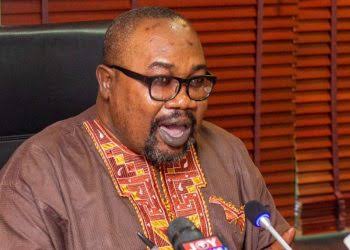
Ghana needs more direct funding for essential medicines for tuberculosis, HIV and malaria patients rather than health assistance focused heavily on training and meetings, Chairman of Parliament’s Select Committee on Health, Dr Mark Kurt Nawane, has said.
He said Ghana cannot afford to prioritise capacity-building programmes when patients continue to face gaps in access to critical medicines and health commodities.
Dr Nawaane cited figures of $82.5 million in capacity-building support in 2025 and $53 million in 2026, but questioned whether such assistance addresses the country’s most pressing health needs.
According to him, Ghana’s immediate priority was to secure resources to purchase medicines for patients.
“What we wanted was money to buy medications for TB patients and for HIV patients and for malaria patients. That’s what we needed,” he said.
Dr Nawaane said capacity-building support, including training health workers and organising meetings, was useful but could not substitute for the medicines and other commodities required by patients.
He argued that directing donor support towards such activities could leave Ghana having to mobilise additional resources to meet basic pharmaceutical needs.
He cited an estimated $74 million gap that Ghana would have to bridge for medicines and related health requirements.
“So, in other words, they want to tell America that come again if you want to partner with us on health,” he said.
Dr Nawaane’s comments come amid concerns over changes to US health assistance and their potential implications for Ghana’s health sector.
He said Ghana remained willing to work with the United States on health but insisted that future cooperation should be aligned with the country’s most urgent needs.
For him, the issue is not simply the amount of money committed to Ghana’s health sector, but how the support is structured and whether it ultimately addresses the needs of patients.
He said health partnerships should help Ghana secure essential medicines and commodities rather than leave the country with additional financial obligations to fill funding gaps.
The comments form part of a broader debate over the terms of Ghana’s proposed health arrangement with the United States and how the country should structure future international health partnerships.
Latest Stories
-
PKO boxers secure wins at Odwira Festival
13 minutes -
South Tongu Records Rise in Teenage Pregnancy
31 minutes -
Cabinet threw out US health compact faster than anything I’ve seen – Mahama
33 minutes -
MoFA urges Finance Ministry to reverse World Bank food programme withdrawal over GH¢643m commitments
37 minutes -
NAGRAT demands signed timelines before calling off strike
51 minutes -
National Investment Quiz: West Africa SHS, St. Louis SHS advance to semi-finals
1 hour -
Shatta Wale appeals to Mahama for balanced framework to tackle social media abuse without stifling free speech
1 hour -
Education Ministry urges data-driven talks to resolve teacher impasse
1 hour -
‘What we wanted was money to buy medications’ – Dr Nawaane on US health support
1 hour -
Osman Ayariga leads NDC team to vet constituency aspirants in Central Region
1 hour -
‘We shouldn’t allow their drugs in just because they’re giving us $100m’ – Dr Nawaane
1 hour -
US health deal medical records are a ‘no-go area’ – Parliament health committee
2 hours -
Teachers’ strike: Gov’t has shown no seriousness on Collective Agreement – GNAT
2 hours -
GES to submit more data to CAGD to process outstanding teacher promotion arrears – Education ministry
2 hours -
I wish to experience childbirth; I’m jealous of women – Okyeame Kwame
2 hours