

Audio By Carbonatix
I recently revisited an article on BLACKSTAR.HAUS that I partly contributed to. The article sought to explore whether Ghana's music industry's global story is being written by everyone except mainstream entertainment journalists.
I found myself going back to the article more than twice because it was refreshing to realise that someone else was thinking along the same lines as I have for some time.
About two years ago, I called my senior colleague, Mr. Haglah, simply to vent my frustrations over what I perceived to be a deliberate attempt by parts of the industry to overlook mainstream entertainment journalist - reporters, writers, producers, editors, and other media professionals who have long contributed to documenting Ghana's creative space.
Too often, we are either left off guest lists for important industry events, sent videos without a properly written press release or enough context to develop a meaningful story, or, in some cases, not contacted at all.
I later had the same conversation with another colleague I deeply admire, Kwame Dadzie. My intention was not to complain for the sake of it, but to understand whether there was indeed a problem and, if so, how we as entertainment journalists could collectively work toward a solution.
Eventually, we all arrived at a similar conclusion: perhaps this is not entirely about the industry intentionally sidelining mainstream media. Rather, it is about how we, as entertainment journalists, reinvent ourselves to remain relevant in an industry that continues to evolve.
Interestingly, our views were largely the same when we spoke to the journalist who wrote the article.
I said: “It's self-positioning. I don't think that we're being locked out. It's just that we've moved away from mainstream storytelling to social media, and bloggers are the ones leading that charge. So we would have to learn as entertainment journalists to really position ourselves and also try as much as possible to teach all these people who engage us in different events to pay attention to our value; the things that we bring to the table."
Kwame Dadzie shared a similar perspective: "Entertainment journalism has gone beyond writing for newspapers, radio, and television. Digital media is the new world. 'Real journalists' would have to reinvent their style and fit into changing times."
Those observations remain true.
However, there is one point I did not make during that conversation, and I believe it deserves to be added.
I would like to humbly advocate for greater inclusion of mainstream media in these industry conversations and events. While bloggers, influencers, and digital-first platforms play an important role in today's media ecosystem, mainstream media offers something equally valuable and complementary: structured storytelling, editorial standards, institutional credibility, archival value, and the ability to reach broad and diverse audiences across both traditional and digital platforms.
This is not about choosing one over the other. It is about recognising that both have unique strengths and that the industry benefits most when they work together.
A stronger collaboration between creatives and mainstream media professionals presents an opportunity to: Amplify Ghana's global creative narrative through well-researched features, interviews, documentaries, and long-form storytelling.
Reach wider, cross-generational audiences both in Ghana and internationally.
Preserve defining moments in Ghana's creative history in formats that stand the test of time.
Strengthen the cultural and commercial impact of creative brands beyond individual campaigns and events.
Build a richer historical record that future generations can reference and learn from.
As someone who works within mainstream media, I believe there is meaningful shared value in such partnerships. I would be honored to contribute to telling these stories with the depth, context, and excellence they deserve.
Over the years, mainstream media has consistently demonstrated professionalism, accuracy, and editorial discipline in projecting creative brands in compelling and positive ways. Beyond simply reporting events, we provide context, accountability, historical perspective, and storytelling that helps shape public understanding of culture.
One lesson my mentor taught me has stayed with me: learn to teach people how to treat you.
Perhaps that is where the responsibility begins.
Maybe it is time for us as entertainment, culture, and creative journalists to reintroduce ourselves to the industry.
To remind creatives not only of who we are, but of the value we bring. We must evolve with changing times, embrace digital platforms, create content that resonates with today's audiences, and intentionally position ourselves where important stories are being told.
If we do that, I believe the conversation will gradually shift from whether mainstream entertainment journalism is being excluded to how indispensable it remains in preserving and promoting Ghana's creative legacy.
About the Author
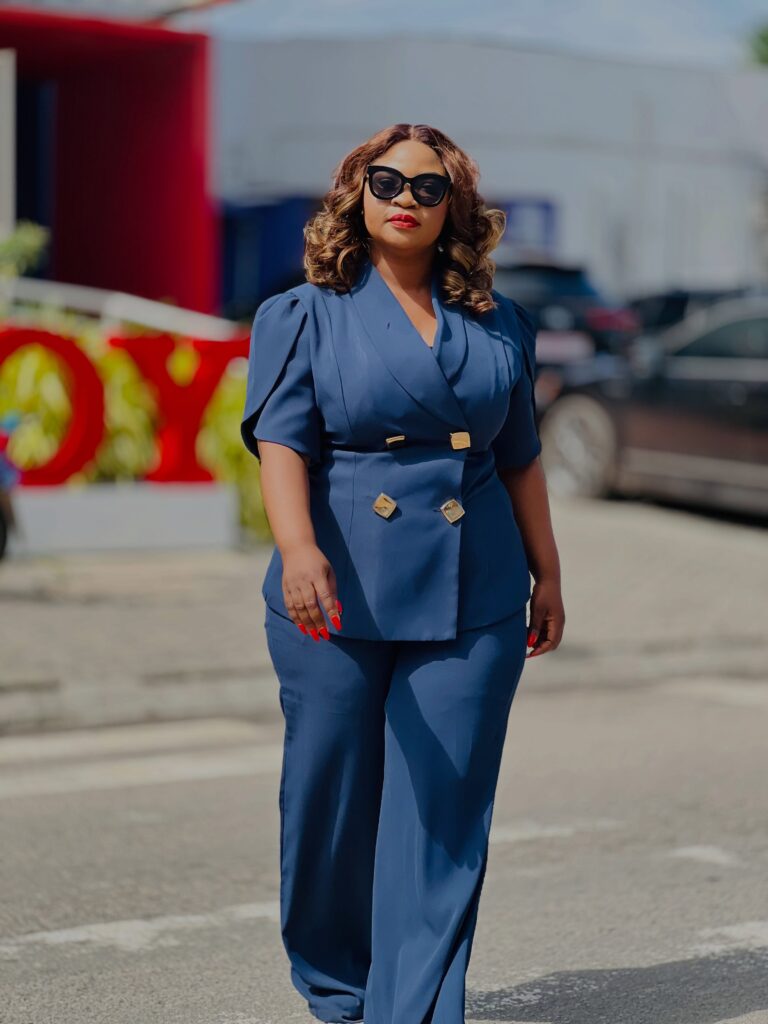
Rebecca Tweneboah Darko (Becky) is an award-winning entertainment journalist, producer, and storyteller with The Multimedia Group. She has built a reputation for insightful reporting on Ghana's music, film, and creative industries, covering some of the country's biggest entertainment stories while championing conversations around culture, creativity, and the business of entertainment.
With years of experience across television, digital, and multimedia platforms, Becky is known for her thoughtful interviews, in-depth features, and commitment to documenting Ghana's evolving creative landscape.
She is passionate about preserving the stories behind the country's cultural milestones and advocating for stronger collaboration between creatives and the media.
The views expressed in this article are her own and do not necessarily reflect those of The Multimedia Group.
Latest Stories
-
Kejetia Phase III pricing talks loom as government moves to restart stalled works
21 minutes -
Nchiraa Yam festival: Two killed, 14 injured as police restore calm
28 minutes -
I draw inspiration for my songs from Reggae music – Lyrical Joe
29 minutes -
AI must not replace human judgment in public spending – BoG Governor
32 minutes -
Ghana should withdraw from 2027 AFCON – Kojo Addae Mensah
42 minutes -
Team Ghana departs Accra for Angola ahead of Karting Africa Trophy
48 minutes -
AIT President Prof Clement Dzidonu urges lifelong learning as AI reshapes work and education
51 minutes -
FWSC to meet striking teacher unions on Tuesday
52 minutes -
NPP won’t force candidates to step down – Miracles Aboagye
1 hour -
Black Stars: Building in the sinking sands
1 hour -
Low inflation on paper, high cost of living: How Presidents Mahama and Trump are facing stark economic reality
1 hour -
NPP will negotiate with popular non-politicians to secure winnable candidates – Miracles Aboagye
1 hour -
Only 5% of Ghanaians can afford housing without support – Gov’t
1 hour -
Nigeria launches rescue after military plane crashes with 32 aboard
1 hour -
GES digitalisation already exists; restore discontinued platforms – Adutwum spokesperson
1 hour