

Audio By Carbonatix
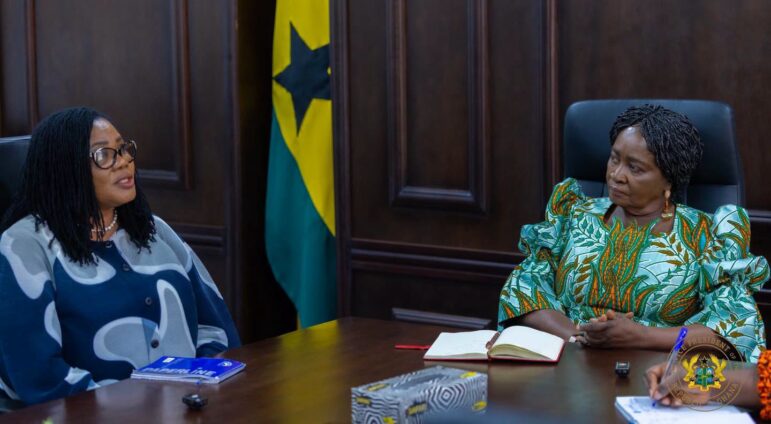
Vice President Professor Jane Naana Opoku-Agyemang has called for a broader approach to addressing the challenges facing head porters (kayayei), urging that interventions go beyond skills training to provide women with the tools, capital and opportunities needed to build sustainable livelihoods.
She made the call when she received a delegation from the Kayayei Association led by the Minister for Gender, Children and Social Protection, Agnes Naa Momo Lartey, to discuss the challenges facing head porters and measures to improve their livelihoods.
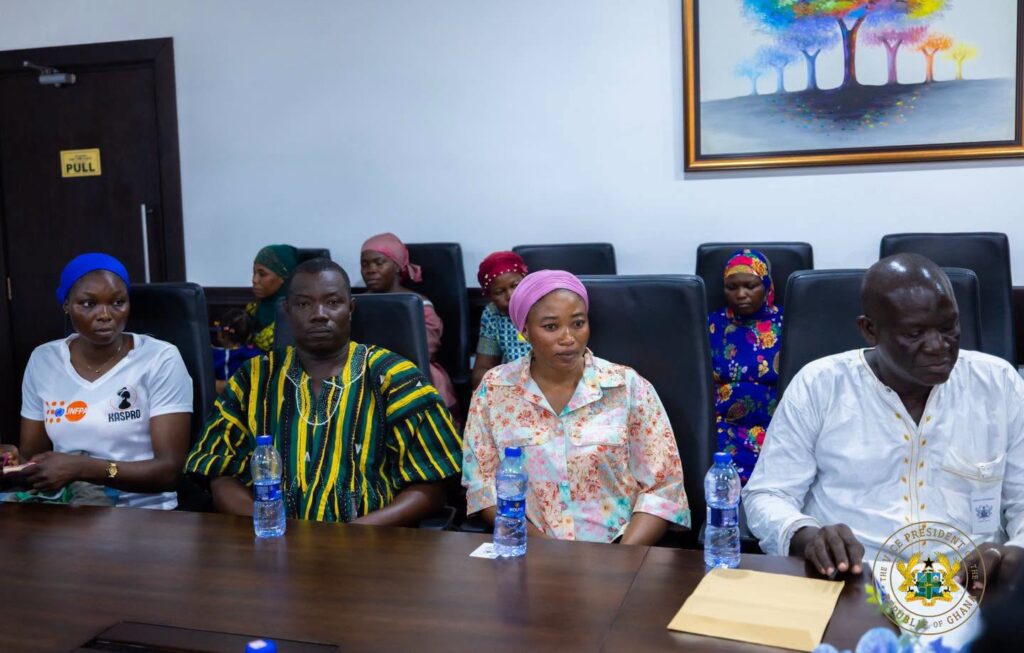
The Vice President said the kayayei phenomenon must be understood within the broader context of migration, inequality and development, noting that both economic and social factors influence the decision of women to leave their communities for urban centres.
She said addressing the conditions that make women vulnerable after migrating to cities was critical to finding a lasting solution to the challenges associated with kayayei.
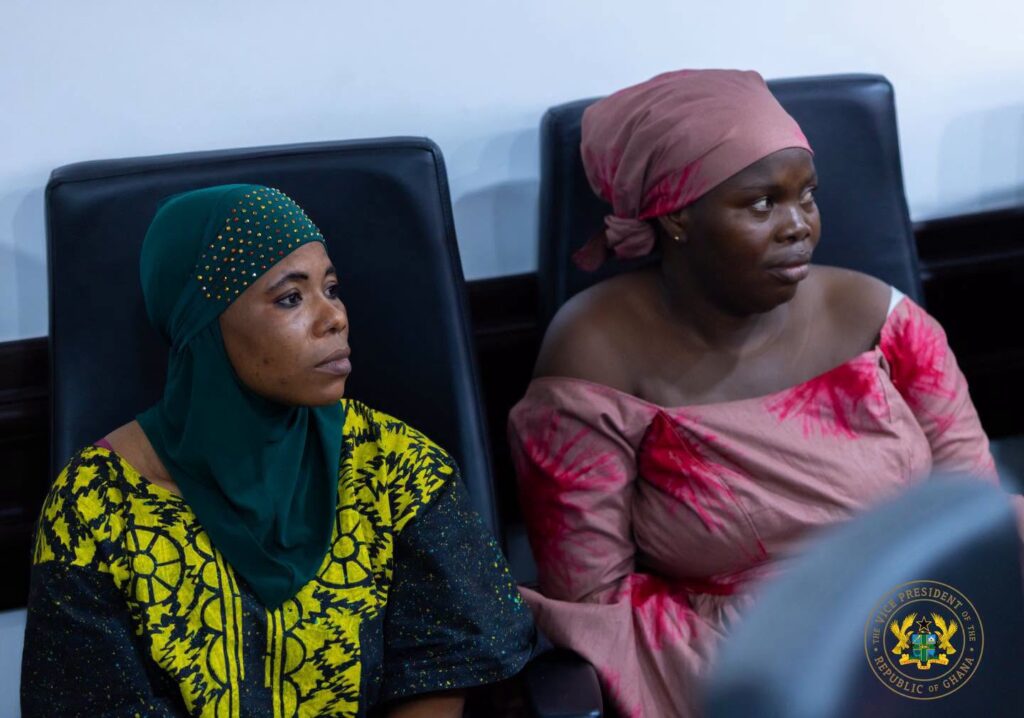
According to her, while skills development remains an important part of government interventions, such programmes must reflect the aspirations of the women and be connected to practical opportunities.
“Training must have a clear purpose and be linked to the tools, capital and opportunities needed to translate skills into sustainable livelihoods,” she said.
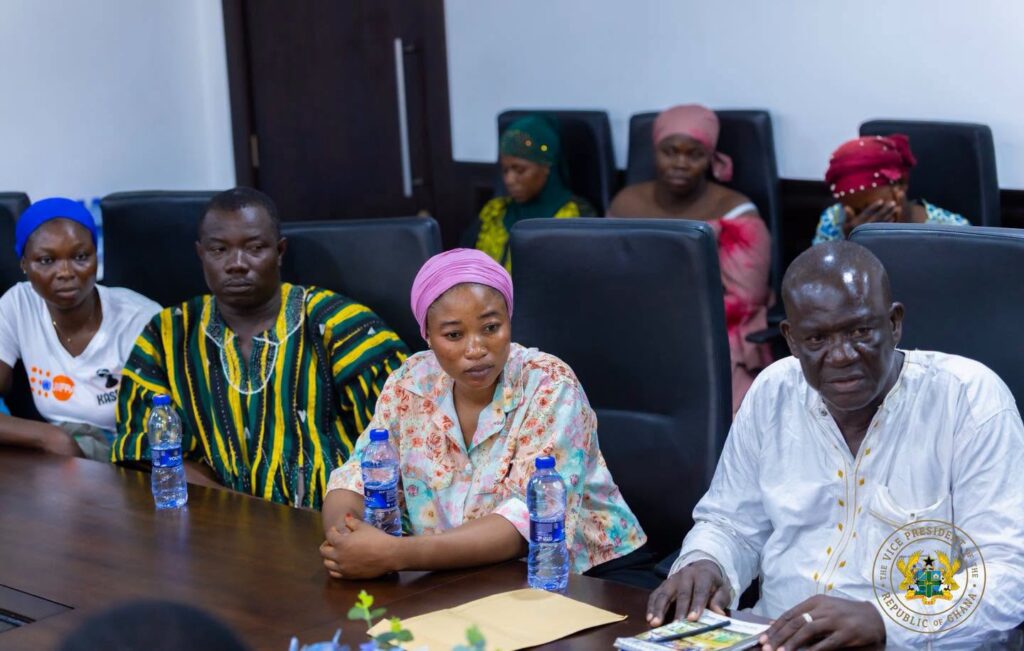
The Vice President also expressed concern about the circumstances of children within kayayei communities and stressed the need to make their welfare a central part of long-term interventions.
She called for stronger measures to protect women from exploitation and ensure that interventions address both their immediate needs and long-term prospects.
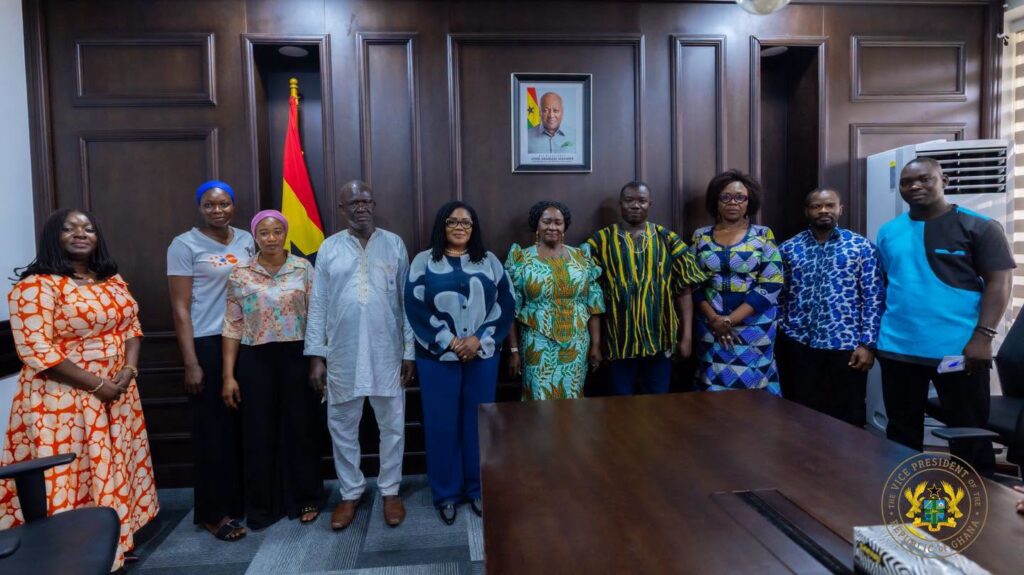
Professor Opoku-Agyemang commended the Ministry of Gender, Children and Social Protection and the Kayayei Association for their continued engagement and efforts to improve the welfare of head porters.
She reaffirmed the government’s commitment to developing a more comprehensive response that creates economic opportunities, strengthens protection and enables vulnerable women and children to realise their full potential.
Latest Stories
-
Power restoration fault suspected in Kumasi Central Market fire
4 hours -
The 7-foot giant of Ngleshie Amanfro: Seven-foot Ghanaian Ephraim Saawa dreams of joining the national basketball team
5 hours -
Government promises support for Kumasi Central Market fire victims
5 hours -
Vibes The Movie: Big Ghun’s Ghanaian film earns five nominations at 2026 REFFA
6 hours -
MamaCare CEO warns unresolved conflicts among health workers could undermine maternal and neonatal care
6 hours -
Health professionals urged to translate medical knowledge into practice to save mothers
6 hours -
Conflicts among care providers linked to maternal, neonatal deaths – Expert
8 hours -
GIS marks 10th TIME conference, champions improved teaching practices
8 hours -
BRICS Or Balance? What Ghana’s bid really means
8 hours -
GPRTU wants full TRAFFITECH-GH implementation to start in 2027
9 hours -
How 10-mile walks for basic education birthed a 50-year legal career for Justice Korbieh
9 hours -
Mahama announces plans to import electric wheelchairs for PWDs
9 hours -
KGL U17 Colts 2026: Western beat Prempeh Elite Academy to set up final final with Greater Accra Region
9 hours -
Late Solanke strike salvages 10-man Spurs draw at Man United
9 hours -
Gender Ministry to monitor welfare of Nana Akua Addo’s children amid domestic violence case
9 hours