

Audio By Carbonatix
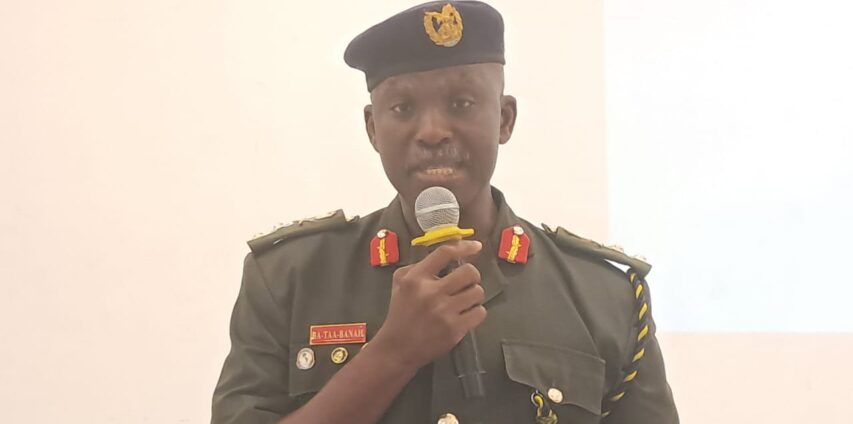
The Director of the Ghana National Counter Terrorism Fusion Centre, Major General Timothy Ba-Taa-Banah, has urged the media to use its influence to help the public understand and fulfil its civic responsibilities towards maintaining peace and stability in Ghana.
He said the media remained a critical partner of the national security architecture because of its ability to reach communities, shape public discourse and provide early warning of developments that could threaten national peace.
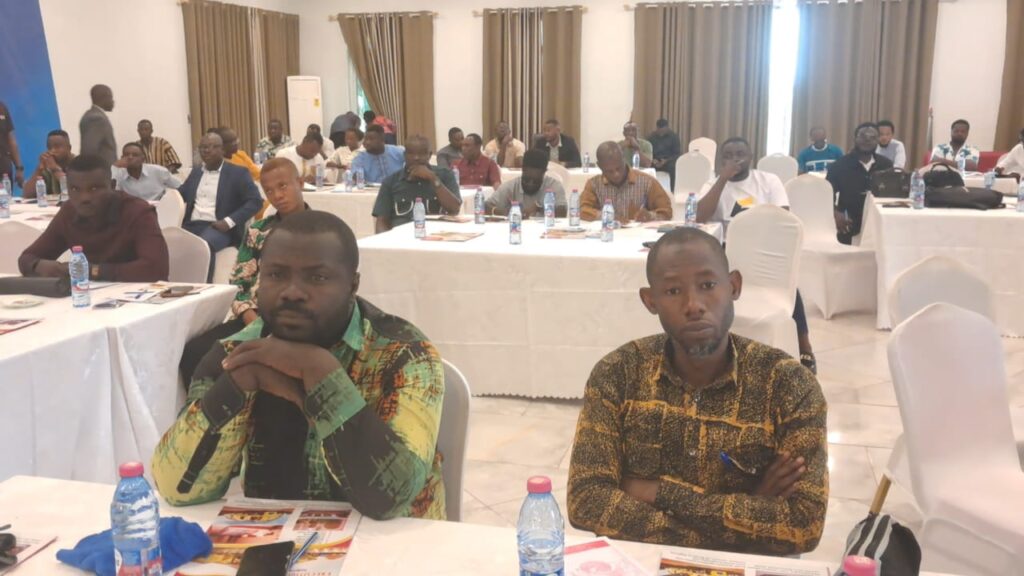
He made the call at Dumesua, near Sunyani in the Bono Region, during a one-day media engagement organised by the National Security Council Secretariat (NSCS) to promote responsible, accurate and peace-sensitive reporting on conflicts and security-related issues.
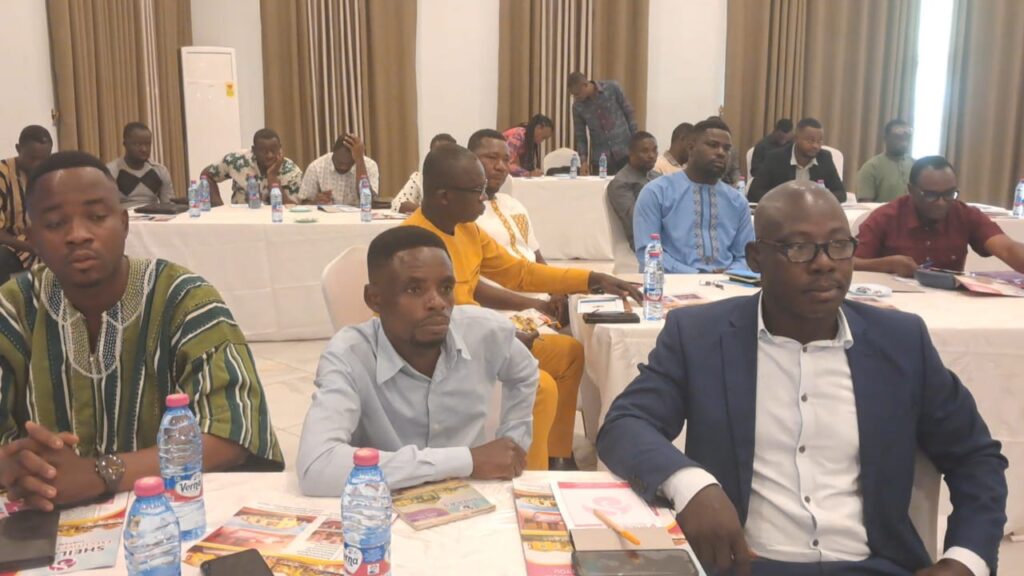
The engagement, held under the theme “Broadcasting Peace: Responsible Journalism for National Development,” brought together media practitioners from the Bono, Bono East and Ahafo regions, as well as representatives of the National Peace Council, the Communications Authority, the National Media Commission and the three Regional Coordinating Councils.
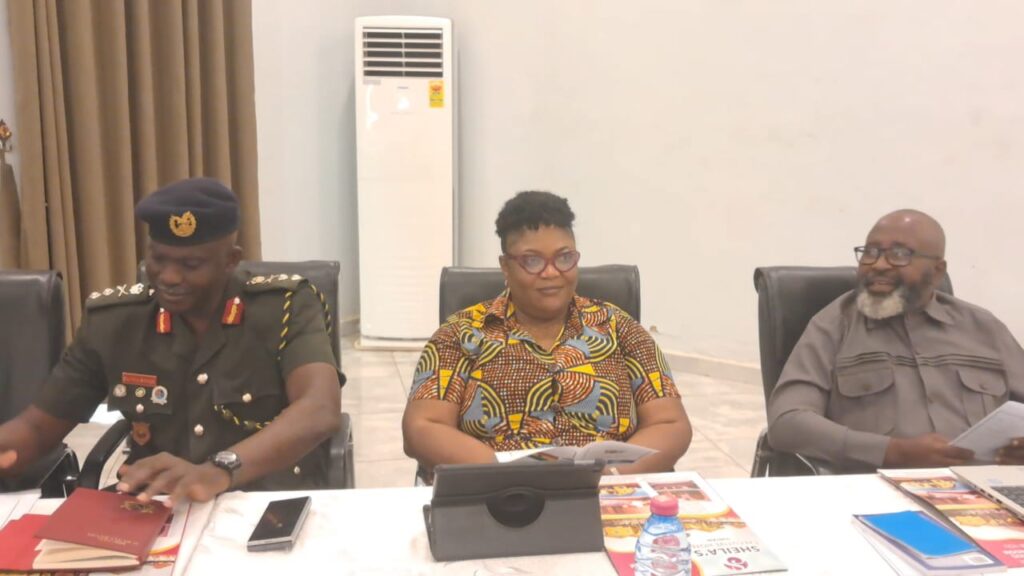
The programme formed part of efforts by the NSCS to build a voluntary and sustained partnership between the media and national security institutions.
Major General Ba-Taa-Banah said Ghana's reputation as a beacon of peace in West Africa had not been achieved by government and security agencies alone, stressing that the media had played a significant role in sustaining the country's peace.
“We didn't get here or to that status without the media. The media has been a key contributor to the current peace and security we enjoy,” he said.
He, however, cautioned against complacency, noting that the security environment in Ghana and the wider sub-region had changed considerably.
According to him, the media's close connection with communities places it in a unique position to identify tensions, fears and emerging threats before they escalate.
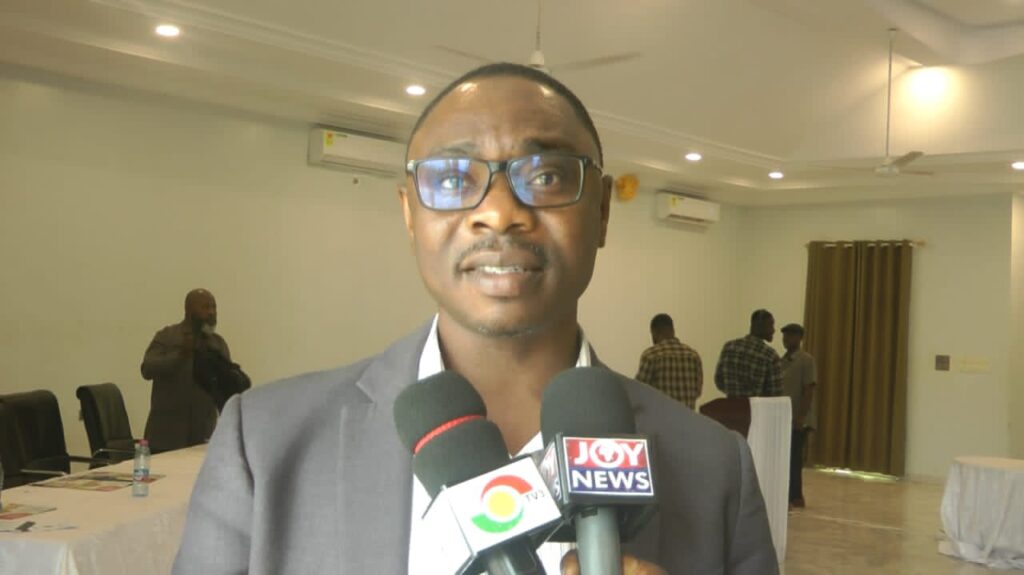
“You are in closer touch with what we would refer to as the masses of society, the grassroots. You communicate their fears and apprehensions to leadership for decisions to be taken,” he said.
He urged journalists to embrace their role in the country's early warning system and support efforts to prevent conflicts before they occur.
“We are here to remind you that we have always asked for your support and your help to let our public see that we have civic responsibilities in contributing to the peace and stability of our country,” he said.
He encouraged citizens and media practitioners alike to adopt the principle: “When you see something, you say something.”
He explained that reporting unusual developments, rising tensions and other potential threats to responsible persons or the appropriate security agencies could help authorities take preventive action.
“We can remain out of the woods if we continuously work on the preventive paths,” he added.
Major General Ba-Taa-Banah also called for stronger channels of communication between journalists and security institutions to facilitate quick verification and clarification of information, particularly during periods of heightened tension.
The facilitators engaged participants on responsible reporting in conflict zones, the role of the media in peacebuilding, conflict-sensitive reporting and national security.
The Second in Command, Strategic Communication at the NSCS, Bernice Hiadzi-Hetor, said journalism carried a profound responsibility because of its influence on how society understands events and responds to tensions.
“The power of journalism therefore comes with a profound responsibility to inform without inflaming, to investigate without inciting and to report conflict with accuracy, context and sensitivity,” she said.
On his part, Dr James Natia, a lecturer at the University for Development Studies, also urged media organisations to uphold fairness and balance in their reportage.
He warned that skewed reporting could deepen tensions and create misunderstanding, stressing the need for media houses to balance commercial interests with the broader national interest.
Latest Stories
-
Livestream: Newsfile discusses AKSA bribery allegations, 2028 elections, CRC report and ministerial reshuffle
26 minutes -
‘You cannot defend Prophet Mohammed with violence’ — Ameer warns Muslims
56 minutes -
Major General Ba-Taa-Banah urges media to help promote peace, stability
1 hour -
Tourism: Ghana’s new engine for youth jobs and employment
2 hours -
$80m FX cap was redacted from IMF reports because it was market-sensitive – Gideon Boako
2 hours -
Reconnecting with home: How exploring Ghana strengthens our cultural identity
2 hours -
‘Wa road has always been bad since I was born’ — Ameer of Ahmadiyya Muslim Mission laments
2 hours -
Ghana Tourism Authority extends deadline for December in GH 2026 proposals
2 hours -
‘The future of Ghana is in our hands; if Ghana fails, we have failed’ – Ameer tells Ahmadiyya elders
2 hours -
Nana Akomea files nomination for NPP First Vice Chairman race
2 hours -
Two contestants face possible eviction as Big Chef Season 5 takes on Ampesi Challenge
2 hours -
Mahama Ayariga, Zanetor and three Supreme Court nominees to be sworn in today
2 hours -
Gideon Boako defends Bawumia’s $80m FX intervention cap claim, says critics misread IMF report
2 hours -
Cardi B reveals why she abruptly left Balenciaga runway
2 hours -
Government considers mandatory drug tests before public service recruitment – Muntaka
2 hours