

Audio By Carbonatix
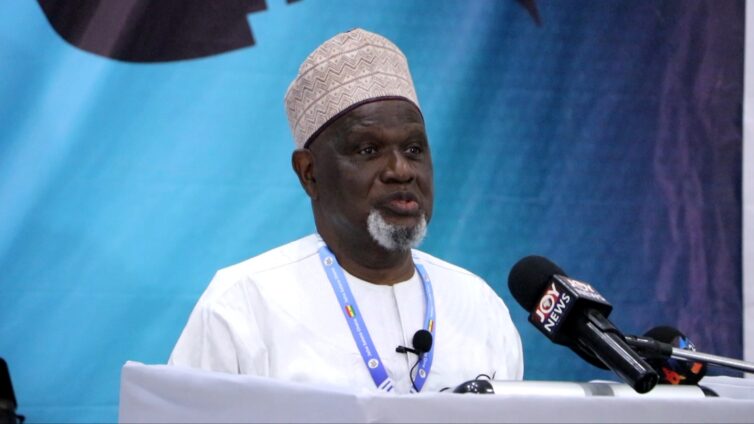
A call by the Ameer and Missionary-in-Charge of the Ahmadiyya Muslim Mission Ghana, Alhaji Maulvi Noor Mohammed Bin Salih, for religious restraint has assumed added significance following a recent chain of events involving an imam, a pastor and the alleged assault of the pastor while in police custody.
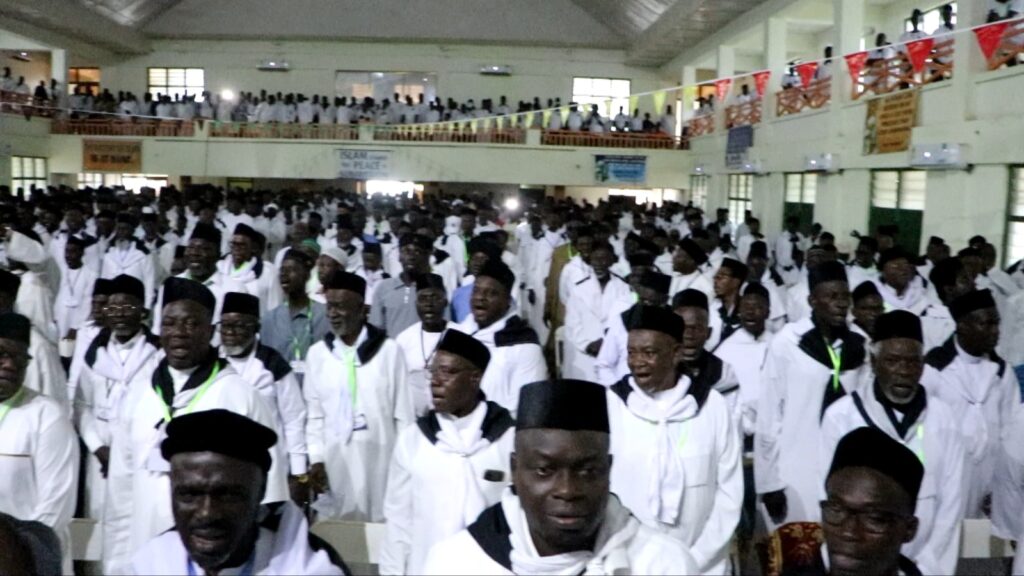
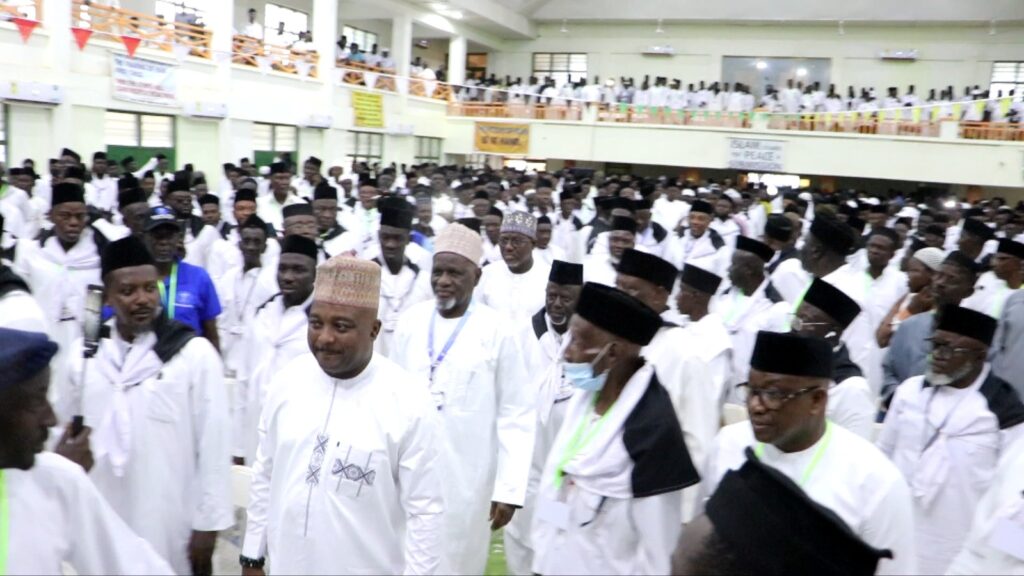
Speaking at the Majlis Ansarullah (Elders) gathering at Nasrat Jahan in Wa in the Upper West Region, Alhaji Bin Salih urged Muslims and Ghanaians generally not to respond to religious provocation with insults or violence.
His appeal came against the backdrop of heightened public discussion over religious tolerance after the arrest of an imam who allegedly called for violence against persons who insulted Prophet Mohammed, followed by the arrest of a pastor over alleged derogatory comments about the Prophet.
The controversy escalated when a Muslim man was captured in a viral video slapping the handcuffed pastor at the Ghana Police Service Headquarters in Accra.
The Ghana Police Service subsequently arrested the man, who was captured in the video assaulting the pastor. He was taken into custody to assist with investigations.
The incident also triggered concerns about how a civilian gained access to a suspect who was already in police custody.
‘You cannot defend the Prophet’
It was against that backdrop that Alhaji Bin Salih appealed to Ahmadi Muslims to exercise restraint, particularly when confronted with statements they considered offensive to their faith.
“You cannot defend the Holy Prophet Muhammad. Even the Almighty God who sent him watched on when the Holy Prophet was insulted, vilified in his own lifetime,” he said.
He urged Muslims to draw lessons from the conduct of the Prophet rather than resorting to retaliation.
Citing the experience of the Prophet at Ta'if, where he was reportedly stoned by its people, the Ameer said the Prophet rejected an offer by an angel to punish those responsible.
“Even in Ta'if when he was stoned mercilessly and the angel appeared asking to assist him to punish them, he said, No, don't do that. If you do that, who will worship God tomorrow? He said these very people and their children will worship God tomorrow.”
He said the Prophet's response demonstrated that forgiveness and restraint could be more powerful than retaliation.
Alhaji Bin Salih also cited the Prophet's conduct following the Conquest of Makkah, when he forgave those who had previously persecuted him and his followers.
“When Makka fell, what was his message? 'La Tathriba Alaykumul Yaum' — No blame on you today. Those of you who think we will retaliate for atrocities you carried out against us, forget it. Nothing like that will happen. You are free.”
The Ameer said Ghana had for generations demonstrated that Muslims and Christians could live together peacefully, often within the same families, compound houses and communities.
He questioned why religious differences should now become a source of confrontation.
“In Ghana we live communally. There is no family in Ghana you will not find a Muslim and also a Christian. No family. There is no compound house you enter, whether rented or family house, you will not find that this door is a Muslim's room and the next door is a Christian's room. We've coexisted how many years now? What is the new thing we have discovered that we have decided to turn against each other and use religion to destroy ourselves?”
His warning comes at a time when social media has increasingly become a vehicle for the rapid circulation of religiously provocative statements, videos and counter-reactions.
The recent controversy has demonstrated how quickly provocative religious commentary can move from online platforms into real-world confrontation, prompting interventions by the police, religious leaders and the Interior Ministry.
A subsequent meeting between religious leaders and the police brought together the imam, the pastor and the man accused of assaulting the pastor in an effort to de-escalate tensions. The three men were later seen embracing in a gesture interpreted as a call for forgiveness and peaceful coexistence.
For Alhaji Bin Salih, however, the responsibility for protecting Ghana's peace extends beyond religious leaders and security agencies to ordinary citizens.
He urged the elders of the Ahmadiyya Muslim Community to lead by example and ensure that messages of tolerance and peaceful coexistence were passed on to younger generations.
“We must know that we have a mission for this country. The future of this country is in our hands. If the country fails, we sitting down here are the ones who have failed the country.”
Latest Stories
-
NSMQ 2026: Did ‘late’ preparation cost OWASS a place in quarterfinals?
3 minutes -
Akwatia MP backs new constitutional reform implementation process
10 minutes -
Akufo-Addo showed little interest in constitutional review — Sulemana Braimah
14 minutes -
JoySports Invitational 2026: Corporate Ghana breaks a sweat at Legon aerobics session
22 minutes -
Livestream: Newsfile discusses AKSA bribery allegations, 2028 elections, CRC report and ministerial reshuffle
1 hour -
‘You cannot defend Prophet Mohammed with violence’ — Ameer warns Muslims
2 hours -
Major General Ba-Taa-Banah urges media to help promote peace, stability
2 hours -
Tourism: Ghana’s new engine for youth jobs and employment
2 hours -
$80m FX cap was redacted from IMF reports because it was market-sensitive – Gideon Boako
3 hours -
Reconnecting with home: How exploring Ghana strengthens our cultural identity
3 hours -
‘Wa road has always been bad since I was born’ — Ameer of Ahmadiyya Muslim Mission laments
3 hours -
Ghana Tourism Authority extends deadline for December in GH 2026 proposals
3 hours -
‘The future of Ghana is in our hands; if Ghana fails, we have failed’ – Ameer tells Ahmadiyya elders
3 hours -
Nana Akomea files nomination for NPP First Vice Chairman race
3 hours -
Two contestants face possible eviction as Big Chef Season 5 takes on Ampesi Challenge
3 hours