

Audio By Carbonatix
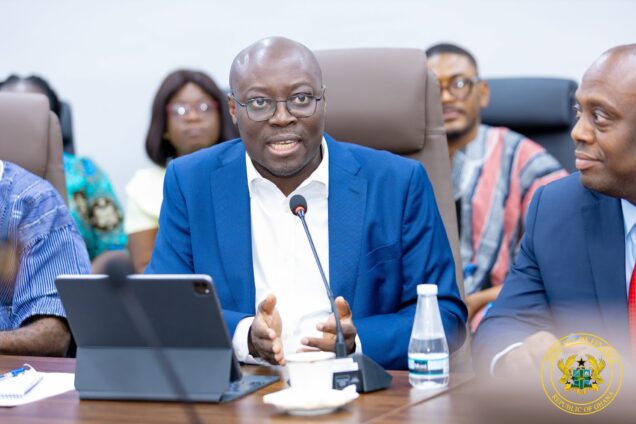
Finance Minister Dr Cassiel Ato Forson has started engagements with key government ministries as preparations intensify for the rollout of the government’s New Economy transformational programme.
The initiative is expected to move Ghana into a new phase of economic development, with government seeking to leverage an estimated $10 billion in investments to expand production, create jobs and generate greater wealth.
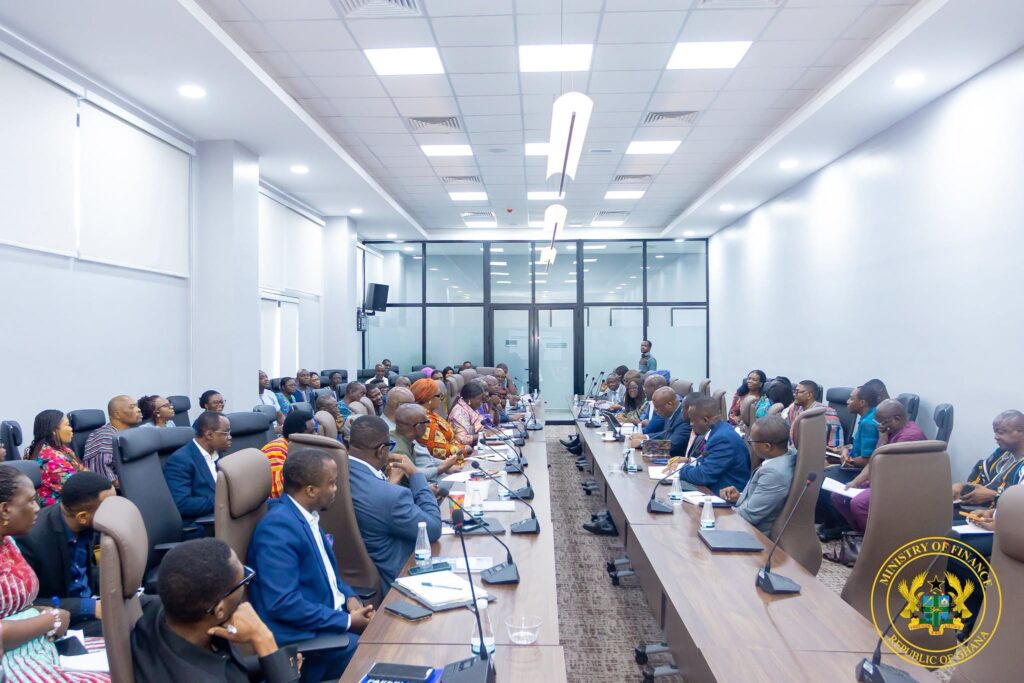
As part of the preparatory process, Dr Ato Forson, together with his deputy, the Ministry’s Chief Director and other senior officials, held discussions with Trade, Agribusiness and Industry Minister Elizabeth Ofosu-Adjare and officials of her ministry.
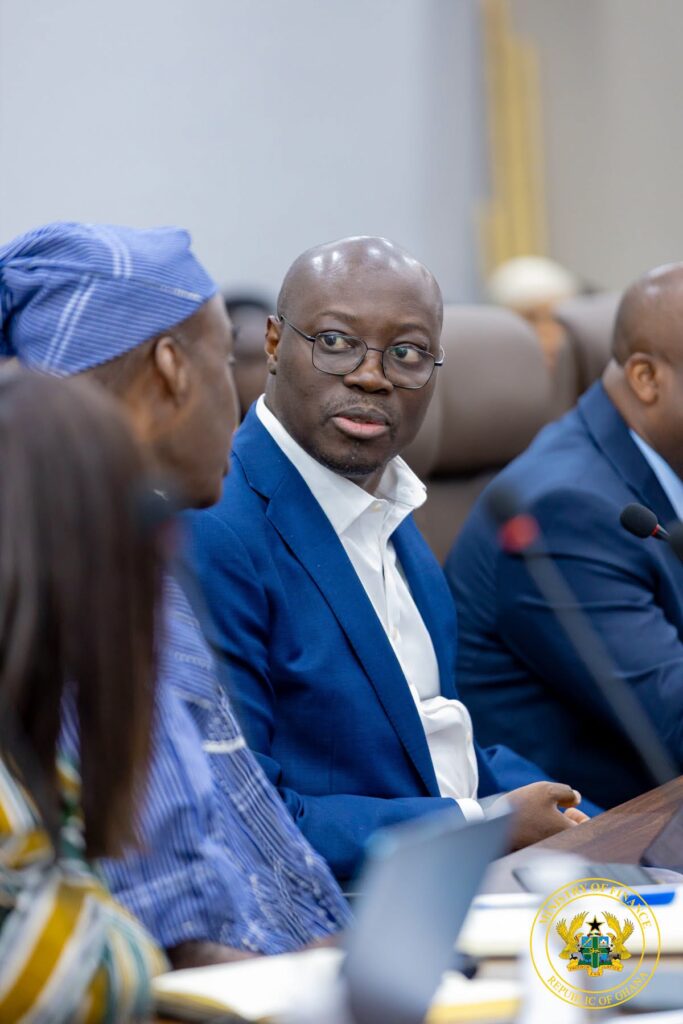
The consultations are expected to help government identify priority sectors and investment opportunities that can drive the next phase of economic growth, following the progress made under the ongoing macroeconomic stabilisation programme.
Dr Ato Forson has stressed that stabilisation was only intended to provide the foundation for a more ambitious transformation of Ghana’s productive economy.
“Stabilisation was never the destination. It was the price of entry. Ghana has paid that price. What comes next is the work that changes lives at scale—the work of transformation,” he said.
Speaking during the presentation of the 2026 Mid-Year Fiscal Policy Review, the Finance Minister said the New Economy agenda would seek to make Ghana less vulnerable to external shocks by strengthening domestic production and expanding opportunities for businesses and workers.
“Through the New Economy agenda that we will unveil, we will build an economy that does not merely withstand shocks but creates jobs, generates wealth and grows on the strength of what Ghana produces,” he said.
President John Dramani Mahama has indicated that the full details of the programme will be presented in the 2027 Budget in November, setting the stage for the government to outline the sectors and projects expected to anchor the proposed transformation.
The ongoing ministerial consultations therefore form part of the groundwork ahead of the programme’s launch, as government moves to translate its economic stabilisation gains into long-term investment, employment and sustainable growth.
Latest Stories
-
WAFU B WCLQ: Ampem Darkoa Ladies thrash Dynamique FC to reach final
37 minutes -
Chief Justice should avoid partisan political arena – Prof Kwaku Asare
41 minutes -
GMTF Administrator hails Mintah Akandoh’s support as Fund marks first year
49 minutes -
GPHA honours 410 staff for outstanding service
1 hour -
BoG slashes September FX support to $500m as GoldBod boosts dollar supply
1 hour -
GNFS rolls out automated fire compliance system
1 hour -
SOE profit at GH¢19.8bn: I call it a miracle, but it’s not operational efficiency – Dr Atuahene
1 hour -
SHS violence: Government must review discipline policy – IFEST
1 hour -
Nana Akomea leads NPP First Vice Chairman race in new poll
1 hour -
Ato Forson begins groundwork for Mahama’s $10bn New Economy agenda
1 hour -
SHS violence: Peter Anti demands intelligence-led security in schools
1 hour -
‘Presidents can’t have unfettered powers’ – Sophia Akuffo
2 hours -
Kwame Agbodza cuts Wenchi-Bole road contracts by 25km over slow work
2 hours -
Ghana’s borrowing costs plunge as inflation eases sharply – World Bank
2 hours -
Unnecessary appeals delaying justice – Sophia Akuffo calls for tighter Supreme Court limits
2 hours