

Audio By Carbonatix
As geopolitical competition increasingly extends into the world’s oceans, naval partnerships have become essential to protecting global trade, preserving freedom of navigation and addressing emerging challenges across the maritime domain.
The world’s oceans underpin global commerce, energy supplies and strategic connectivity. With more than 80 per cent of global trade by volume carried by sea, secure shipping routes are vital to economic prosperity and international stability.
As geopolitical competition intensifies across the maritime domain, safeguarding these critical waterways has become a responsibility no nation can fulfil alone.
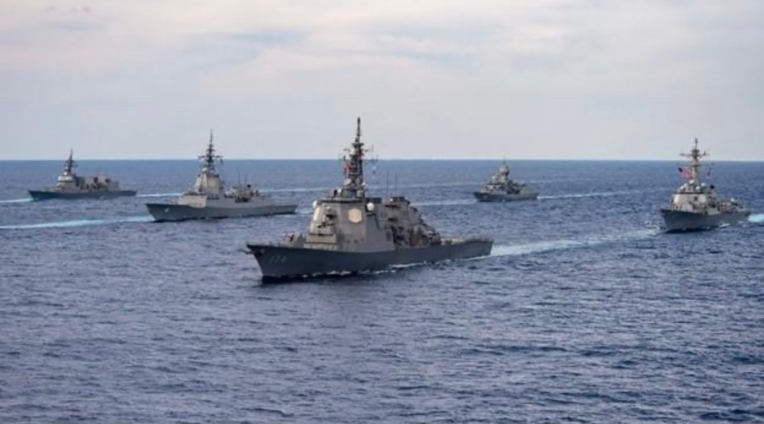
Warships operating in formation during multinational exercises underscore the importance of allied naval cooperation. Combined training, coordinated patrols and intelligence sharing enable participating fleets to improve interoperability, strengthen operational readiness and enhance their ability to manage complex situations at sea.
These activities also build confidence among partner nations and reinforce long-term strategic relationships.
Today’s maritime challenges extend well beyond conventional naval defence. Piracy, illegal fishing, transnational organised crime, maritime terrorism and threats to critical undersea infrastructure continue to strain the resilience of coastal states and the international community.
Protecting strategic sea lanes and maritime chokepoints has therefore become increasingly important as global supply chains remain closely interconnected.
Large multinational exercises continue to strengthen collective preparedness. NATO’s Dynamic Mariner and BALTOPS bring allied navies together to refine command procedures, improve coordination and operate effectively in demanding environments.
Training in realistic conditions enhances interoperability and prepares participating forces for humanitarian assistance, disaster response and regional contingency operations.
Technological innovation is reshaping naval operations. Satellite surveillance, unmanned maritime systems, artificial intelligence, advanced sensors and secure information networks provide greater situational awareness and enable faster decision-making.
These capabilities enable naval forces to monitor vast maritime areas more efficiently and support coordinated operations among allied partners.
In a changing international order, effective maritime governance depends on trusted partnerships, continuous innovation and sustained collaboration.
By strengthening naval cooperation and investing in modern capabilities, nations can safeguard vital sea lanes, uphold freedom of navigation and help ensure a stable, secure and resilient maritime domain.
Latest Stories
-
It is scandalising for Chief Justice to tour, commend state institutions – Alhassan Tampuli
2 minutes -
NAFCO warns public against fraudsters selling school food contracts
2 minutes -
Zanetor Agyeman-Rawlings takes over Environment Ministry
3 minutes -
‘Keep off the arena of politics and allow us politicians to play there’ – Tampuli to CJ
20 minutes -
Putin cites chance of peace deal, Ukraine sees ‘new dynamic’
22 minutes -
Thousands flood Kumasi streets to give Asantehene rousing welcome from USA
26 minutes -
GPRTU, GRTCC request review of public transport fares
31 minutes -
Up to 10% of places in top SHSs reserved for protocol – CSSPS
48 minutes -
Sekondi Prisons trains officers in Ghanaian Sign Language
55 minutes -
GTP, Woodin enter new era as TexStyles Ghana comes under local ownership
1 hour -
NSMQ 2026: St. Augustine’s College march into third straight final, beat Prempeh and Pope John
1 hour -
Sharpeville massacre survivors start legal fight for justice in South Africa
1 hour -
Chief Justice has ‘worn a political jersey’ – Tampuli calls for resignation
1 hour -
Local Government Service partners Celltel to accelerate digital transformation
2 hours -
CJ’s role includes building working relationships with state institutions — NDC’s Hamza Suhuyini
2 hours