


Audio By Carbonatix
Police in Zambia have threatened to arrest persons found in the possession of sex dolls and vibrators, a local portal, Mwebantu reports.
According to police spokesperson, Esther Katongo, the laws of the country considered such items as ‘obscene material’ adding that their importation, sale or possession are illegal.
“Possession of obscene materials in this country is an offence. Read section 177 of the Penal code Importation check section 177 (1)(b) and Section 177 (1) © criminalises taking part in such business,” Katongo explained.
She was responding to questions from journalists who wanted to know the status of sex dolls as per Zambian laws. The southern African country is largely conservative and frowns on a number of issues including same-sex relationships.
The police recently mounted a hunt for two alleged lesbians after photos circulating online showed them openly expressing their relationship.
Zambians have, however, been expressing varied opinions over the directive. Some insist the law never made any provision for sex dolls while others see it as a step in the right direction.
Zambia police seek public aid in hunt for lesbian couple https://t.co/OlRiFnzySl
— africanews (@africanews) January 31, 2018
Artificial intelligence (AI) is making its way into the global sex market, bringing with it a revolution in robotic “sextech” designed to offer sexual gratification with a near-human touch.
But the arrival of sex robots has divided opinion. Inventors argue they can potentially replace prostitutes, reduce sex trafficking and help lonely people, while critics say they objectify women and normalize sexism and rape culture.
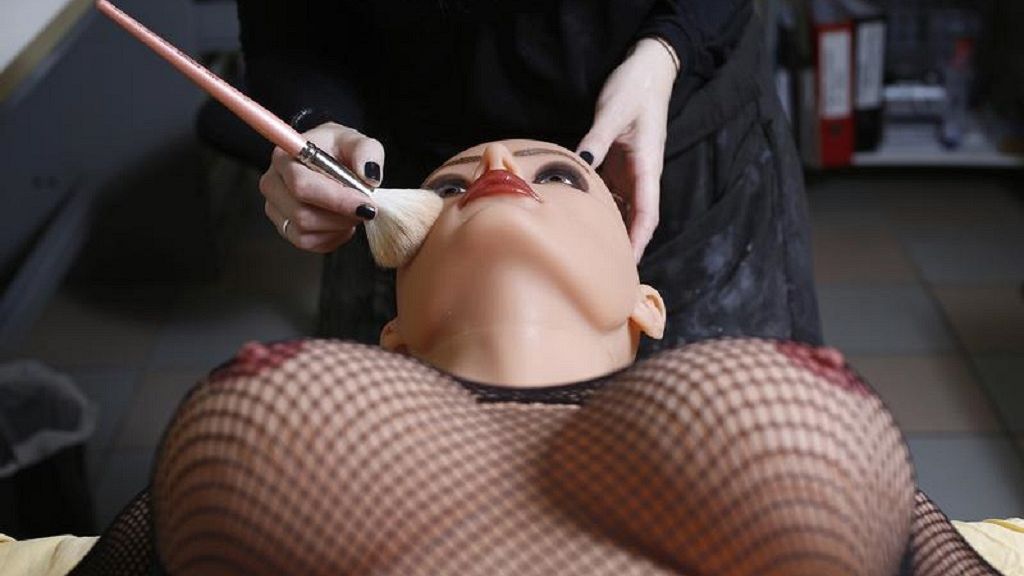
Sex robots have gone on sale in parts of the world and one goes for as much as $2,000. Roboticists continue to develop these robots – some of which talk and respond to touch through AI technology.
Sex robots at bigger companies like Abyss Creations sell for higher – around $10,000 depending on added extras.
Experts say the increasingly life-like robots raise complex issues that should be considered by policymakers and the public – including whether the use of such devices should be encouraged to curb prostitution and sex trafficking, for sex offenders, or for people with disabilities.
Latest Stories
-
TECNO’s Modular Phone and TAURUS win gold at IFA 2026, recognising breakthroughs in mobile and gaming technology
10 minutes -
Youth Forum in Accra calls for debt cancellation, reparations and African economic independence
17 minutes -
Dr Abu Sakara urges African youth to seize global upheaval for economic emancipation
25 minutes -
Fulham booed off after third defeat in a row
39 minutes -
Joy FM Back-to-School Fair 2026 ends in massive success after two days of discounts and one-stop shopping
42 minutes -
Man City maintain 100% start with win over Coventry
50 minutes -
Kwesi Pratt urges African youth to reject ‘Gen Z revolution’, reclaim Africa’s resources
51 minutes -
Forest and Tottenham both still looking for first win after scrappy draw
52 minutes -
Inter Milan mount stunning comeback to beat Napoli
55 minutes -
PPF urges African youth to demand debt cancellation and reparations
57 minutes -
Kwesi Pratt says reparations must deliver equal rights, African self-reliance
57 minutes -
Isaac Dogboe opens reveals mental health battles, calls for support for athletes
1 hour -
MTN Ghana webinar urges SMEs to get financial discipline right
2 hours -
Duvor Klu, Hua crowned champions as J30 Accra Week 1 concludes
2 hours -
Gov’t to make rural telephony services cheaper by first quarter of 2027 – Sam George
2 hours