

Audio By Carbonatix
Environmental engineer Dr Juliet Ohemeng-Ntiamoah has said that Accra's recurring floods are caused more by inadequate drainage infrastructure and silted waterways than by indiscriminate littering, urging policymakers to shift their attention to long-term engineering solutions.
Speaking on JoyNews' Newsfile on Saturday, July 11, Dr Ohemeng-Ntiamoah said while improper waste disposal contributes to blocked drains, it is being overstated as the primary cause of flooding, distracting from deeper structural problems.
"When we list the contributing factors to flooding in Accra, I am concerned that we are elevating indiscriminate solid waste disposal as though it is the major cause of the flooding we are seeing. In my view, I don't think it is," she said.
She identified five major contributors to flooding in the capital: inadequate and poorly engineered drainage systems, increasing stormwater runoff due to extensive concrete and asphalt development, weak enforcement of laws protecting wetlands, the lack of stormwater retention ponds, and choked drains.
According to her, many of Accra's primary drainage channels were designed to accommodate rainfall associated with a 25-year flood event, a standard she believes is no longer adequate given the increasing intensity of rainfall linked to changing weather patterns.
Dr Ohemeng-Ntiamoah called for drainage infrastructure capable of handling 100-year flood events, saying many cities around the world are adopting such engineering standards to improve resilience against extreme rainfall.
She also disputed the widely held belief that plastic waste is the main material clogging the city's drains, explaining that silt is the dominant obstruction.
"If you pay careful attention to the drains and what is choking them, you realise that it is silt primarily, before even waste. It is the silt that traps the plastic bottles and other debris," she explained.
The environmental engineer attributed the accumulation of silt to Accra's rapid but poorly planned urban development, pointing to untarred roads, bare lands and inadequate landscaping, which allow soil to be washed into drains during rainfall.
She noted that the large volumes of silt removed during dredging operations in the Odaw River demonstrate the scale of the problem and argued that efforts to reduce erosion should receive as much attention as waste management.
"We barely talk about silt and addressing silt in our communities," she said. "The banks of the Odaw are full of silt. We should have greened those areas so that silt does not wash into the drainage."
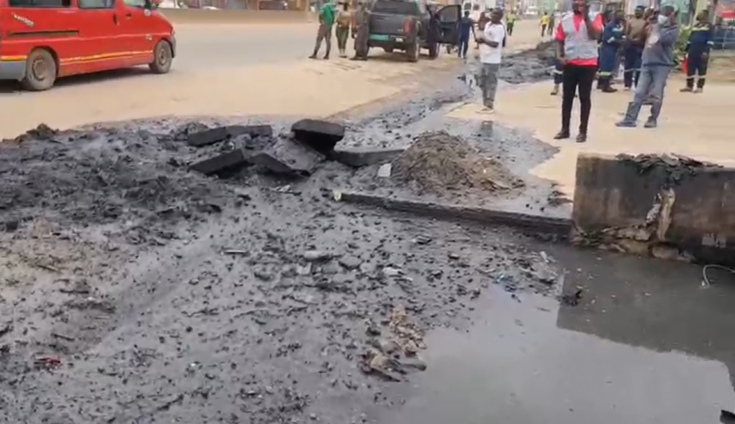
Her comments come amid renewed national debate over sustainable measures to address perennial flooding in Accra following recent devastating floods and the government's nationwide clean-up campaign.
Latest Stories
-
Former ‘American Idol’ contestant sentenced to life without parole for wife’s murder
35 minutes -
Education Ministry commends Ghanaian teachers on World Teachers’ Day 2026
57 minutes -
NPP can reconcile with aggrieved members who want to return – Nana Akomea
1 hour -
Tamale Child Deaths: Vehicle owner arrested as IGP deploys homicide team
1 hour -
From ShattaFest to MoMo Fest: Entertainment takes centre stage in youth engagement
2 hours -
Nigerian military aircraft crashes, killing 32
2 hours -
MTN encourages Ghanaians to use MoMo for saving, investing and financial planning
2 hours -
Absa Bank Ghana names Stephen Ato Frimpong as Board Chair
2 hours -
Pickford ‘almost caused crash’ with careless driving
2 hours -
Author and former politician Jeffrey Archer dies aged 86
2 hours -
No education reform can succeed without teachers – Education Ministry
2 hours -
Gauff condemns racist abuse after China Open win
2 hours -
Medvedev disqualified for hitting spectator with ball
3 hours -
Oliseh scores twice in late comeback win for France
3 hours -
Pentagon stops using Anthropic AI tools after blacklisting company, BBC told
3 hours