

Audio By Carbonatix
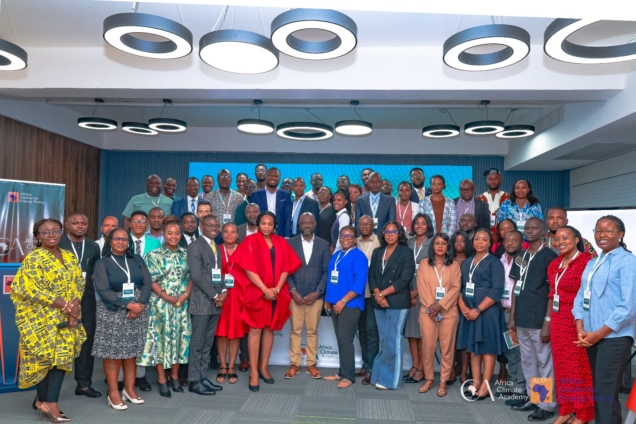
The second cohort of Africa Climate Academy has officially commenced in Accra, Ghana’s capital, to offer a unique and intensive training programme aimed at equipping African policymakers, media professionals, civil society leaders, and academics with the tools to confront climate change and promote sustainable energy solutions.
Organised by the Africa Centre for Energy Policy (ACEP), the week-long training has drawn 51 participants from 20 African countries – including policymakers, scientists, researchers, media practitioners, and climate activists, all gathering at ACEP’s office to engage in critical conversations on Africa’s role in the global climate and energy transition discourse.
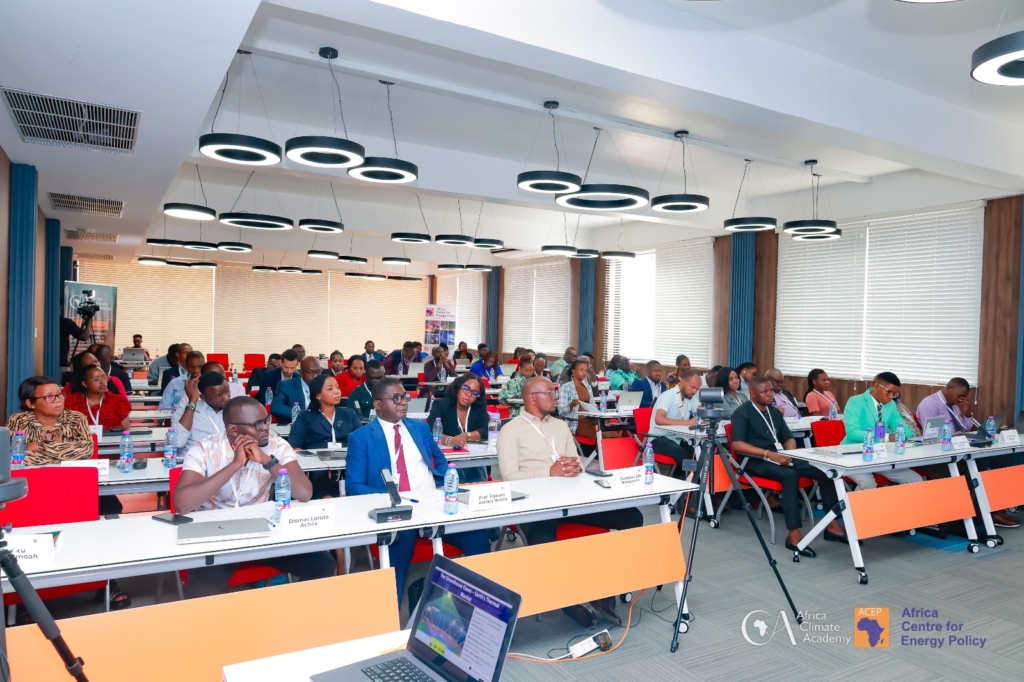
The Academy aims to challenge dominant narratives around climate action, energy transition, and resource governance in Africa. Through expert-led sessions, interactive workshops, and peer learning, participants will explore practical strategies to influence climate-responsive policies and foster innovation, transparency, and accountability in climate governance.
Welcoming the participants, ACEP’s Executive Director, Benjamin Boakye, encouraged full engagement in the sessions.
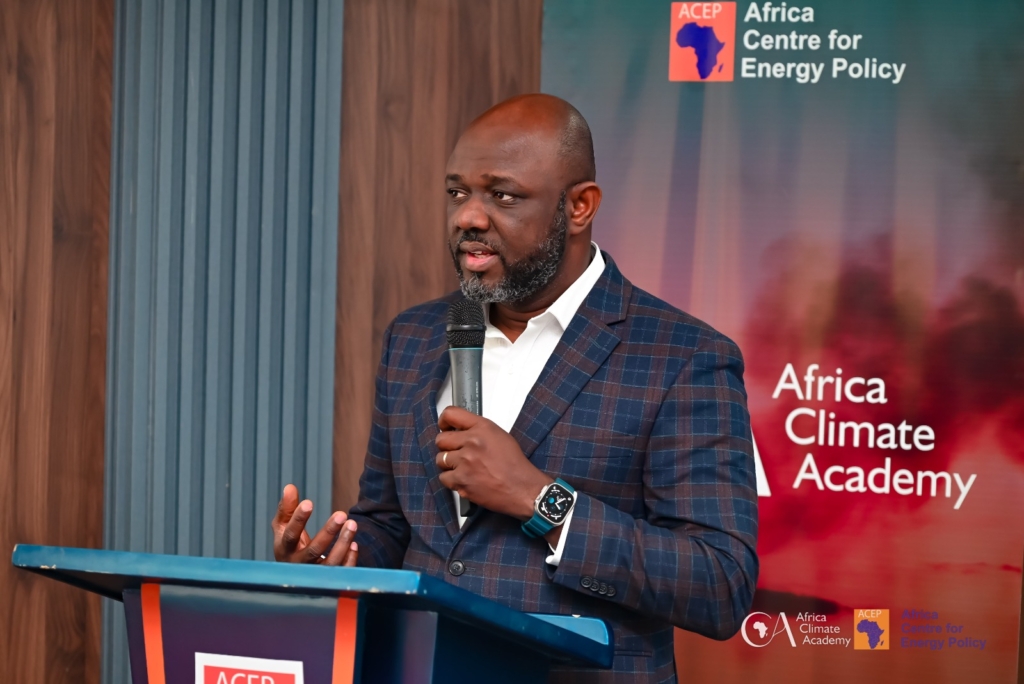
He emphasised that Africa’s wealth of natural resources — including solar and wind energy — presents the continent with a rare opportunity to take the lead in renewable energy production.
With vast natural resources, including abundant solar and wind energy, Africa has the potential to lead in the production of renewable energy technologies. Harnessing these opportunities could not only drive economic growth but also ensure a more equitable global energy future.
Acting Executive Director of the Environmental Protection Authority (EPA), Prof. Nana Ama Browne Klutse, has emphasised the need for Africa to address climate change holistically, as it affects vital resources such as water and food.
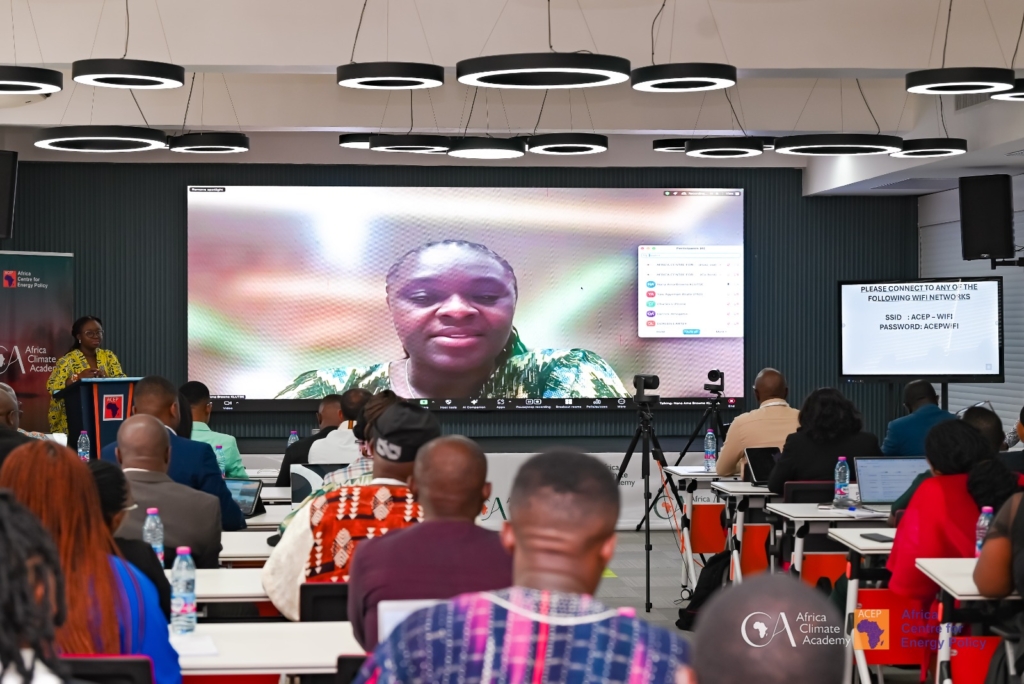
She noted that although climate models help predict changes in weather patterns, they often fall short because they are not universally applicable.
Prof. Klutse urged Africans to develop homegrown solutions to climate challenges and prioritise support for vulnerable populations with limited resources to adapt.
She added, “In Africa, we are focused on addressing poverty and food security. Since we rely heavily on rain-fed agriculture, any disruption in rainfall patterns directly threatens the continent’s food security.”
The Minister of State for Climate Change and Sustainability, Issifu Seidu, has called on participants to view climate action not as a cost, but as an investment capable of driving inclusive growth, job creation, and long-term stability.
In a speech delivered on his behalf by Mr. Frank Aggrey, the Minister stressed that Africa's efforts to decarbonise its economies are not a hindrance to development but a way to future-proof it.
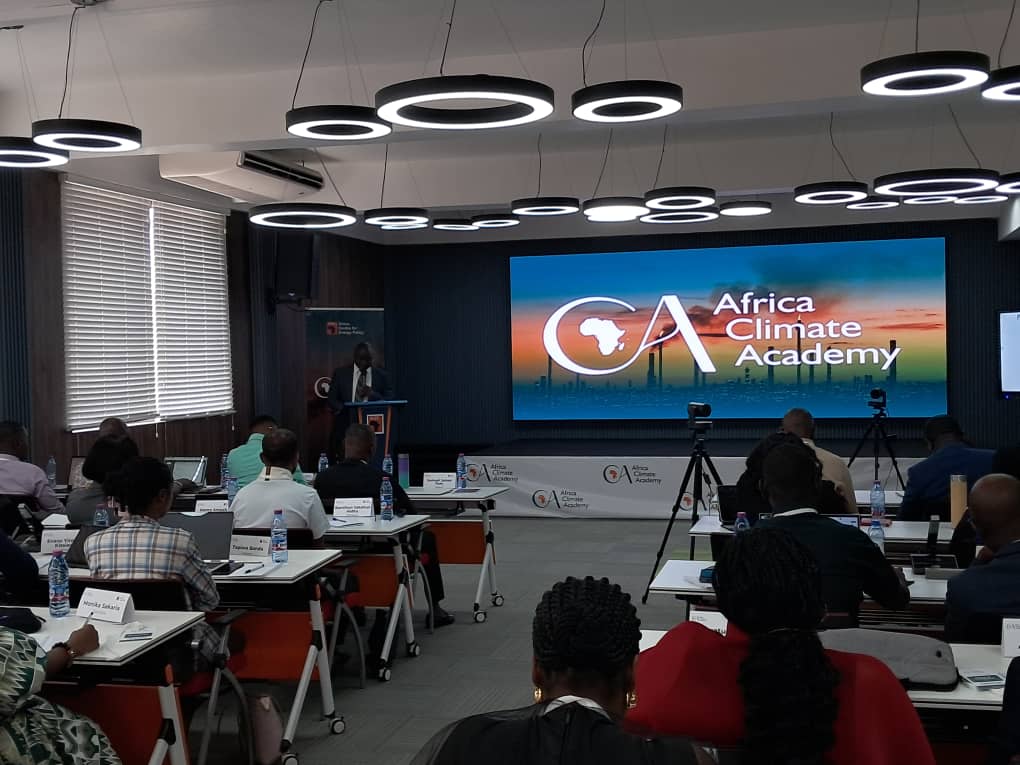
“We must also reframe our narrative from one of crisis to one of agency. Africa does not need to be saved. Africa needs space, support, and strategic investment to lead,” he stated.
He further encouraged participants to act not out of fear but with intention, challenging outdated development models that pollute and exclude.
“Let’s demand climate finance that is fair, accessible, and responsive to African realities,” he urged.
The Africa Climate Academy is envisioned as a platform for sustained dialogue and collaboration among African countries on climate and energy challenges. Organisers believe that with the right investments, supportive policies, and strong partnerships, Africa can emerge as a global hub for clean energy innovation and sustainable development.
The Academy also builds on the momentum of its 2024 inaugural edition, which successfully convened 42 key stakeholders. This year’s expanded cohort reflects growing interest in African-led climate solutions and reinforces the continent’s readiness to shape its future amid global climate uncertainties.
After the week-long event, participants are expected to return to their countries better equipped to contribute to national and regional efforts on climate adaptation, renewable energy expansion, and policy reform.
Latest Stories
-
Imagination Africa, Mentors Chess Academy to host second African Genius Chess Championship at Ghud Park
1 hour -
Nana B passport claims a diversionary tactic — Abu Jinapor
2 hours -
Pope Leo diagnosed with cancer as doctors remove lobe of lung, Vatican says
2 hours -
Legal Aid Commission takes free legal services to Techiman main lorry terminal
2 hours -
Nana B denies seeking passport favour, accuses Ablakwa of failing to account for GH¢16.4m
2 hours -
Young girls demand climate action, stronger protection against child marriage
2 hours -
Ex-gang boss sentenced to 40 years for orchestrating Tupac Shakur’s murder
3 hours -
From near-deferral to three awards: UMaT graduate’s academic journey
3 hours -
Atta Akyea denies seeking presidential pardon for Wontumi in galamsey case
3 hours -
Photos: Mahama commissions 85-bed Police Hospital ward, donates two ambulances
3 hours -
GTEC directs Ghana’s public universities to reopen by October 16 and begin lectures on October 19
3 hours -
Star Oil donates GH¢1million towards construction of new CID facility
3 hours -
Court hands Adjetey Sowah, two others lifetime bans after Amputee Football legal dispute
4 hours -
NDC appoints Julius Kwame Anthony as a Deputy Communications Director
4 hours -
Ghana repatriates 120 Nigerians rescued from suspected cybercrime centres
4 hours