


Audio By Carbonatix
Stakeholders in Africa’s cashew industry have called for stronger collaboration among producing countries to harmonise policies, tackle smuggling and expand local processing to make the sector more competitive and sustainable.
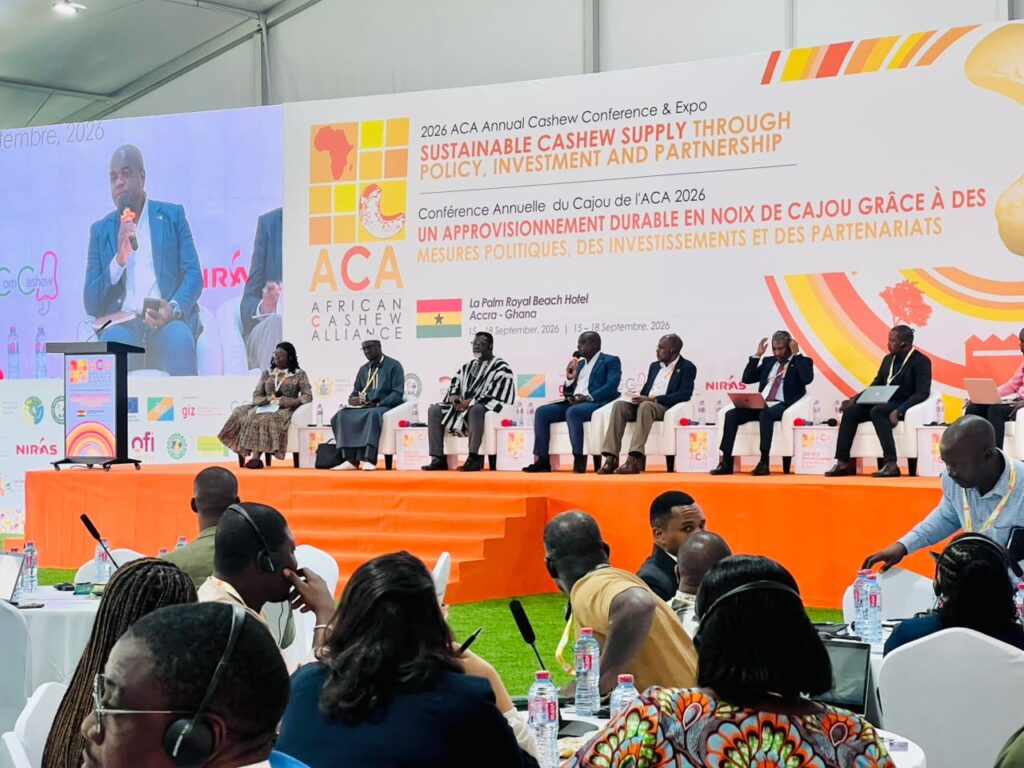
The call was made during a plenary session on “Realigning Policies for Competitive and Sustainable Cashew Supply” at the African Cashew Alliance’s Annual Cashew Conference and Expo in Accra on Wednesday, September 16, 2026.
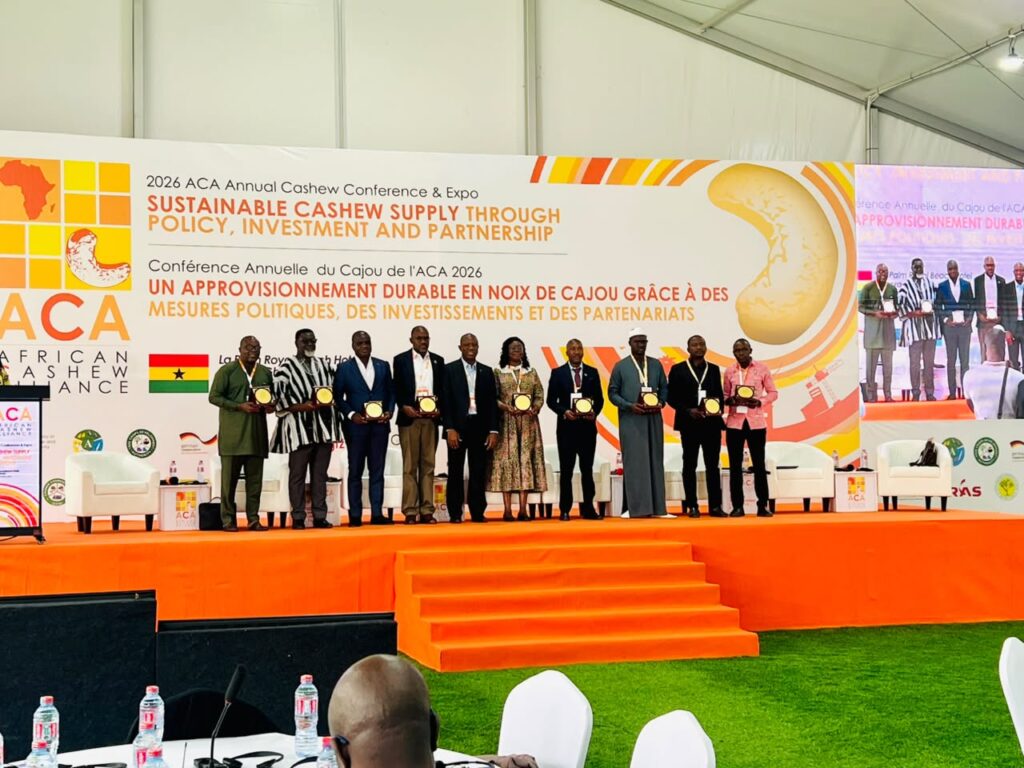
The four-day conference, being held under the theme “Sustainable Cashew Supply Through Policy, Investment and Partnership,” is organised in partnership with the Ministry of Food and Agriculture and the Tree Crops Development Authority (TCDA), with support from the European Union, OACPS and the GIZ/MOVE Project.
Participants at the session said African cashew-producing countries could achieve greater value from the sector if they worked together to address policy gaps affecting production, trade, processing and investment.
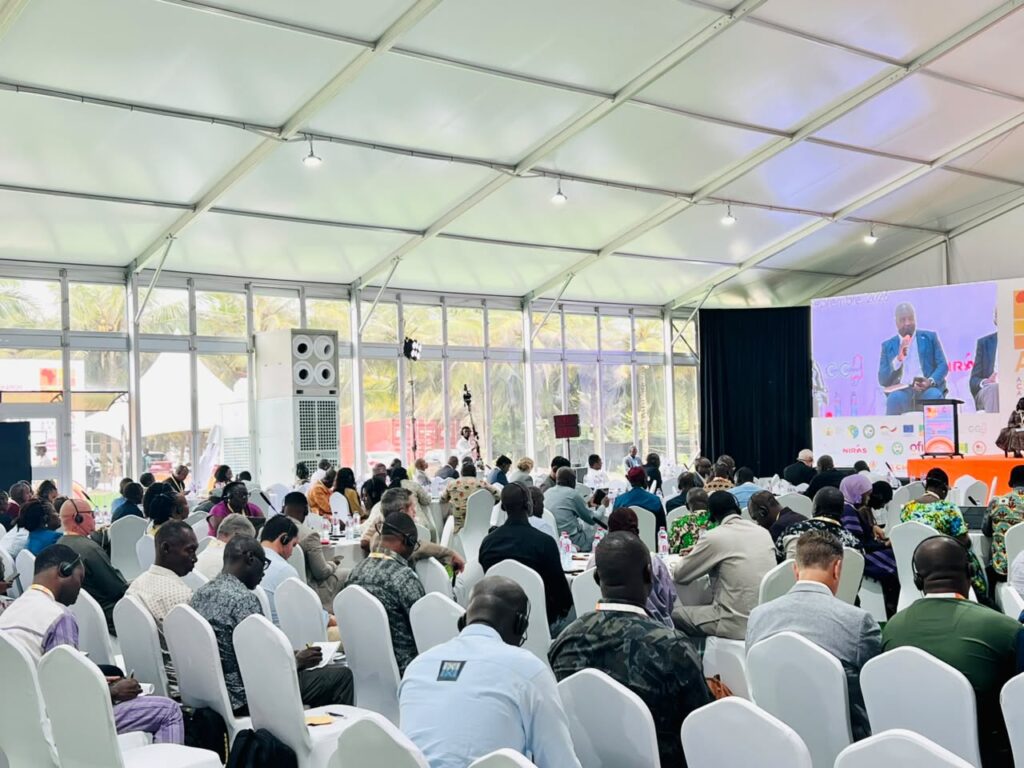
One of the panellists called for the development of common standards across producing countries to ensure that African cashew products meet international requirements.
“We want to have world standards. All countries should get together to develop standards,” the panellist said.
He also called for stronger monitoring mechanisms to ensure compliance with agreed standards.
“A country should get together to create a committee for monitoring and watch on the area of standards so that this can be a reality in the area of cashew,” he said.
The panellist cited Côte d’Ivoire’s efforts to develop standards in the sector as an example that could be replicated across other producing countries.
The panel also identified smuggling and illegal exports as major challenges requiring collective action from producing countries.
“We need to fight the smuggling and illegal smuggling of cashew. This is something we need to do,” another panellist said.
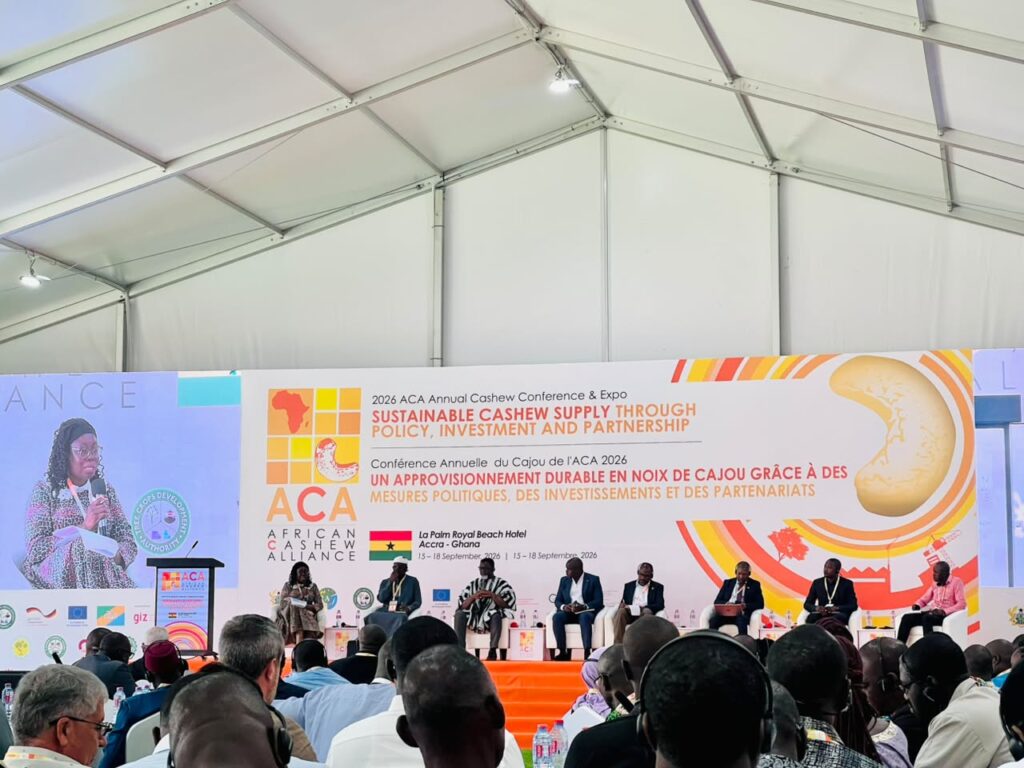
He also called for the development of a quality standards validation system, improved intra-African trade and easier movement of cashew products.
Training and technical capacity building were also identified as important areas for investment to strengthen the industry.
Another panellist stressed the need for African countries to harmonise their policies and work together to address challenges affecting the sector.
“We will need to actually adopt or harmonise policies and also ensure the production of raw nuts. We will also need to avoid this smuggling and fraudulent export as well,” he said.
He further proposed collective negotiations with markets in the Middle East and Europe, arguing that producing countries could achieve more through collaboration than competition.
“We don't need to be in a competition. We are trying to work together so that we can work together to serve our people,” he said.
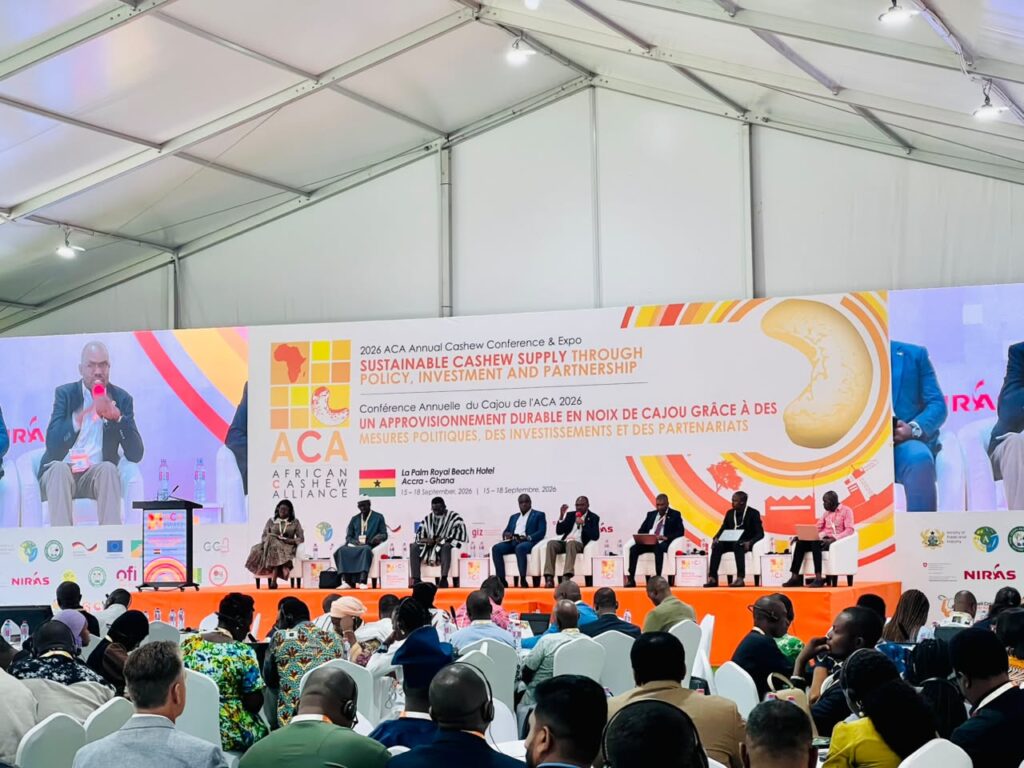
The panel also discussed the need for African countries to process more of their cashew locally instead of exporting raw nuts.
A panellist from Burkina Faso said the country produces between 150,000 and 180,000 metric tonnes of cashew annually, with an industrial processing capacity of about 90,000 metric tonnes.
He said the available capacity presented an opportunity for Burkina Faso to process a significant proportion of its production locally.
He also called for greater consumption of cashew products within Africa while urging producing countries to secure sufficient raw cashew nuts for their processing plants.
“Securing raw cashew nuts for processing plants is what we can do in the future when all African producing countries can work at securing raw cashew nuts for the processing plants,” he said.
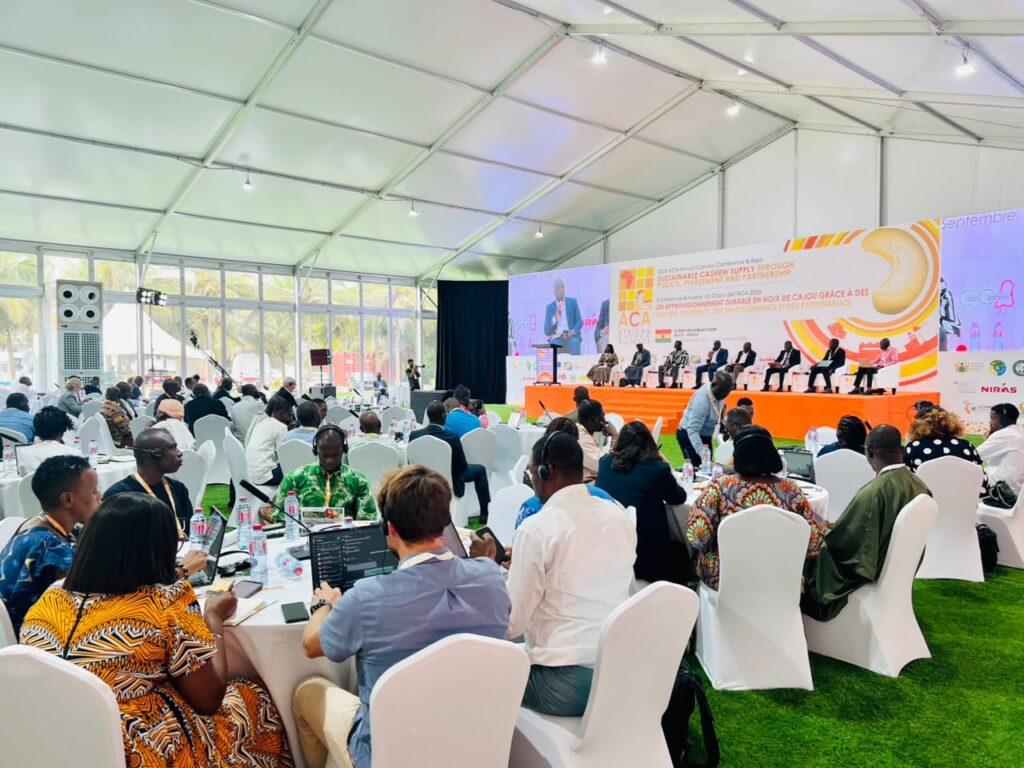
According to him, ensuring that processing plants handle a major share of national production would contribute to the sustainable development of the industry.
Another panellist proposed the establishment of integrated cashew processing zones equipped with modern technology and supported by competitive financing and skilled labour.
“We need to establish special integrated cashew processing zones,” he said.
He also called for greater participation of women in the value chain and increased value addition to cashew by-products.
A representative from Côte d’Ivoire said government incentives for processors had helped to address the competitiveness gap between the country's cashew industry and major processing markets such as India and Vietnam.
He said subsidies on raw cashew nuts had helped improve the viability of local processors and contributed to growth in the sector.
The representative said the government had also invested in human resource development and increased the capacity of processing plants, with support from development partners including GIZ and the Dutch government.
According to him, the measures had helped attract foreign investment into Côte d’Ivoire’s cashew processing industry.
He said the country had increased the number of processing plants from three in 2015 to about 40 currently, with no single plant accounting for more than 20% of locally processed volumes.
He attributed the growth to a combination of policies covering production, quality improvement, processing and sector financing.
“The major point is that all the policy for development of the sector has been financed by the sector itself,” he said.
A panellist from Senegal also shared measures it has introduced to strengthen its cashew industry, including an export tax to support production and processing.
A representative from Senegal said the country had established an inter-professional body for the cashew sector and designated cashew as a priority sector.
He said Senegal had also established processing areas, a management committee to oversee revenues generated from sector taxes and a National Advisory Council on Cashew.
He added that a project through the Ministry of Trade was providing financing support to the cashew sector and processing plants.
The discussions formed part of efforts by the African Cashew Alliance to identify policy reforms that can improve competitiveness, investment, processing, trade and sustainability across the continent's cashew industry.
Latest Stories
-
Asos hackers took more personal details than first revealed, BBC finds
33 minutes -
Fort Hood shooter’s execution by firing squad will be livestreamed, Pentagon says
42 minutes -
Chrysler Building to get its crown restored after being sold
52 minutes -
Infantino re-election boost as Concacaf chief will not stand
1 hour -
Everton’s Sherif fined for breaching betting rules
1 hour -
Suspended fine for Xhaka over Covid-19 certificate
1 hour -
Businessman dragged to court over GH¢480,000 fraud
1 hour -
Pregnant woman and husband found dead in a room at Anloga-Kportorgboe
2 hours -
Man, 87, jailed 20 years for defiling nine-year-old girl at Ofankor
2 hours -
Maresca says ‘feeling is fantastic’ among Man City squad
2 hours -
Sam George warns FBI Director against taking sole credit for Ghana cybercrime operation
2 hours -
Foreign capital no passport to Ghana’s informal retail market – GIPA CEO
2 hours -
E&P model should be seen as a blueprint for building local mining giants – GIPA Boss
2 hours -
Govt’s decision to reduce nurse training long overdue – GRNMA
2 hours -
Ghana needs emergency health fund to respond swiftly to outbreaks – SEND Ghana
2 hours