

Audio By Carbonatix
The 14th edition of Tech In Ghana was nothing short of inspiring, bringing together tech enthusiasts and thought leaders in the technology and education sectors.
Held on November 26th and 27th, 2024, the event provided a platform for discussions on how technology can transform education, making it more inclusive for learners across diverse backgrounds.
One of the highlights of the event was a panel discussion titled “Innovative EdTech for Inclusive Education: Overcoming Barriers to Learning for Diverse Needs.”
Among the distinguished speakers was Nana Darko Asiedu, the Country Manager for ALX Ghana, who offered a fresh perspective on the scope and impact of EdTech in the Ghanaian context.
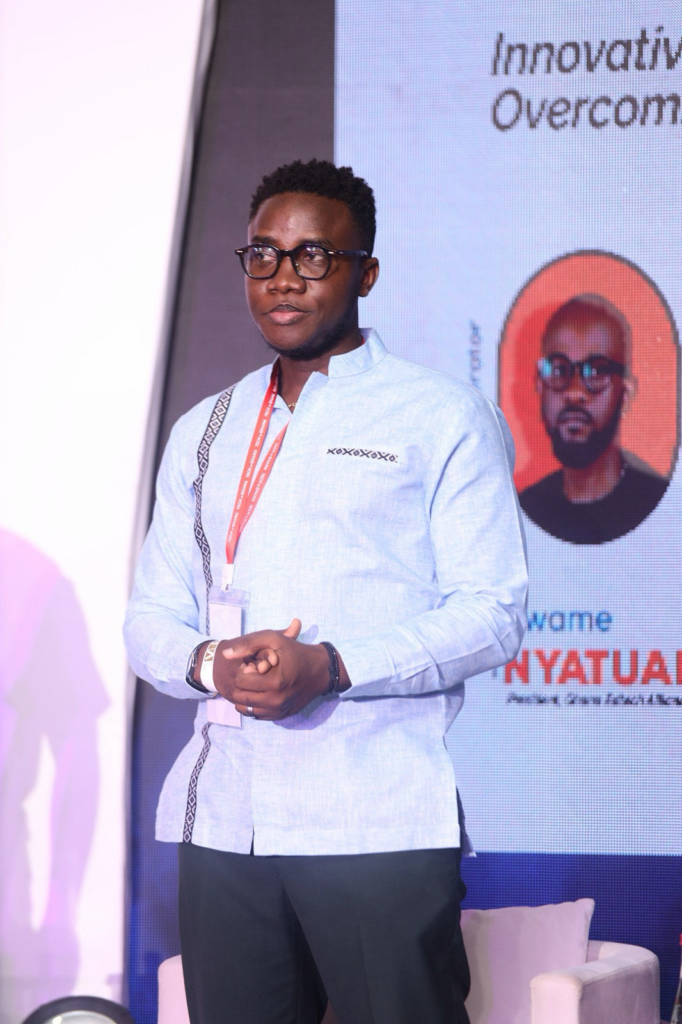
Nana Darko challenged conventional narratives about inclusion in education, emphasizing the importance of broadening our understanding.
“I think the whole EdTech ecosystem in Ghana shouldn’t just think about those in underserved communities,” he remarked.
“The student in Accra you’ll classify as attending a “grade A school” is also benefiting from being inclusive by enrolling into Ed-tech courses like Udemy or Coursera.”
His comments shed light on the multifaceted nature of educational inclusion.
While underserved communities remain a priority, Nana Darko reminded the audience that individuals in urban or “average” communities are also accessing opportunities that EdTech provides.
For instance, many now have access to prestigious online courses from institutions like Stanford University, earning certifications that open doors to global employment opportunities.
This, he noted, is another layer of inclusivity that must not be overlooked.
Nana Darko’s vision for a thriving EdTech ecosystem extends beyond access. He stressed the need for partnerships among key stakeholders, particularly the government and tech companies.
“The biggest driver of resources and transformational change is the government,” he said, advocating for policies that actively support EdTech initiatives.
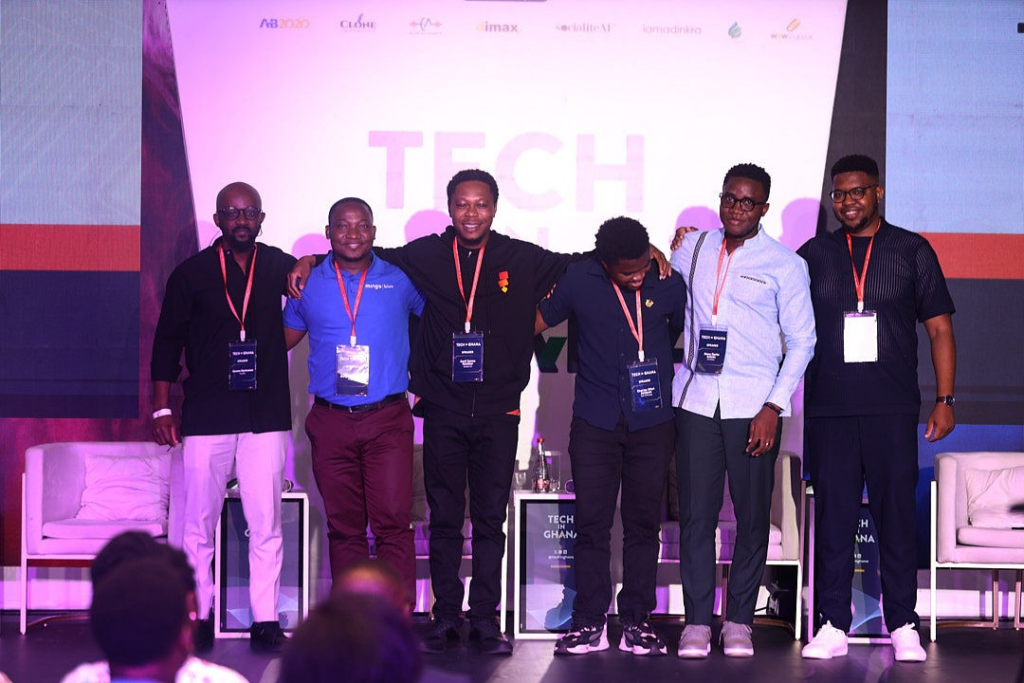
He lauded existing efforts but urged further collaboration to ensure such programs are integrated into the education system, particularly in areas like robotics and other forward-thinking technologies.
Equally important, he emphasised the value of synergy within the private sector.
“How do tech, particularly Edtech companies, come together and not work in silos? That’s what I’m looking forward to seeing – partnership.”
His call to action resonated with the audience, underscoring the need for a united front in addressing the barriers to inclusive education.
The discussion highlighted a recurring theme at Tech In Ghana – leveraging technology to create opportunities for all. It’s not just about bridging the digital divide in rural areas but also about empowering individuals in urban centres to compete on a global scale.
Latest Stories
-
World Cup visa scandal: People have leveraged public office to facilitate fraud – Senyo Hosi
3 minutes -
Glut! Farmers count losses as prices crash, customers happy
39 minutes -
GSA postpones auction of unserviceable vehicles
41 minutes -
Man charged with attempted murder after stabbing
45 minutes -
World Cup visa scandal: Senyo Hosi says issue goes beyond calls for Sports Minister’s resignation
46 minutes -
Yaw Ampofo Ankrah hasn’t taken or received any money to facilitate visas – Lawyer insists
1 hour -
World Cup visa scandal: Senyo Hosi urges focus on constitutional accountability
1 hour -
La Beach demolition: Senyo Hosi condemns lack of consultation
1 hour -
Russian glide bomb attack on Zaporizhzhia kills at least 15 people
2 hours -
Jinapor warns underperforming energy sector CEOs of consequences, says no protection for failure
2 hours -
Fire destroys head of tipper truck on Lower Volta Bridge
2 hours -
Palmer signs new Chelsea contract until 2034
2 hours -
World Cup visa scandal: Mahama will act on corruption allegations – Abass Nurudeen
2 hours -
Abass Nurudeen accuses Minority of ‘scandal scavenging’ over World Cup visa controversy
2 hours -
US Embassy recognised NSA, GFA and GTA as separate entities for visa applications – Sports Minister’s aide
2 hours