

Audio By Carbonatix
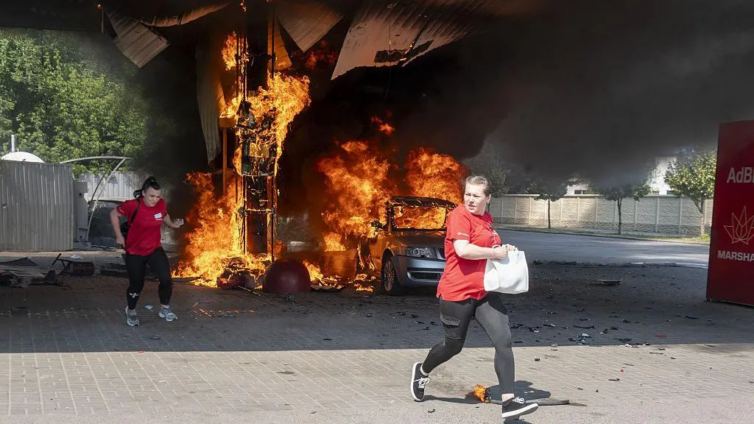
"Fill up quickly and move on," Mayor Ihor Terekhov warns drivers in Ukraine's second largest city Kharkiv.
Two petrol stations in the city in Ukraine's north-east were hit by Russian drones on Monday, which local officials say wounded two people. In another attack on a petrol station outside the city of Kryvyi Rih last week, three people were killed.
Russia's campaign of targeting civilian filling stations with drones and missiles began in earnest in April, primarily in regions on the front line, and the attacks are steadily growing more frequent.
At the same time, Russia has endured two waves of severe fuel shortages across the country as a result of Ukrainian drone strikes on Russian oil refineries.
In total, Russia has hit at least 246 filling stations across Ukraine so far, says Oleksandr Sirenko, an analyst with Ukrainian energy think-tank Nafto Rynok ("Oil Market").
In July alone, the Centre for Information Resilience, an open-source investigation non-profit group, verified 114 Russian strikes on filling stations, compared with 66 the month before.
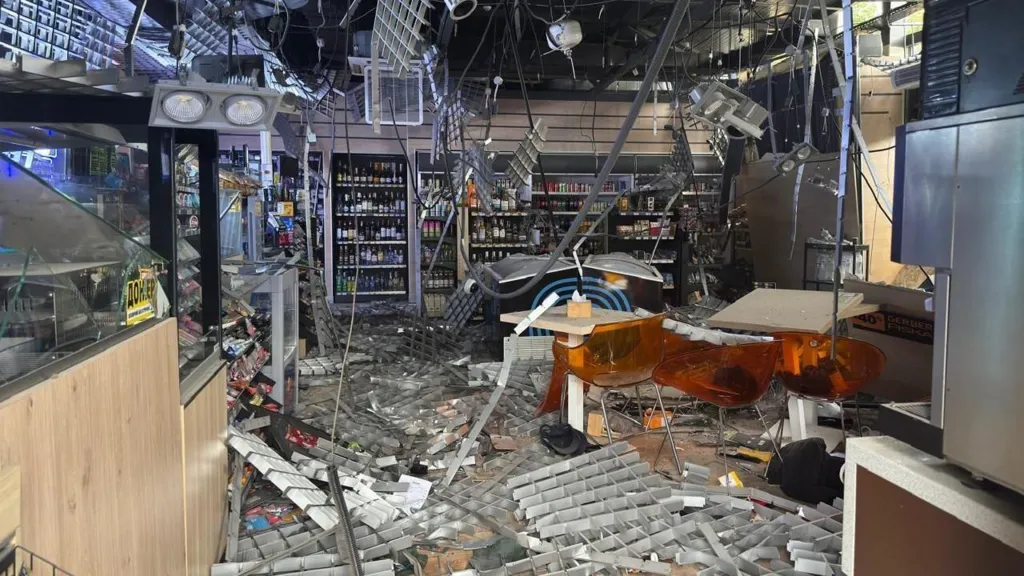
Given the threat, police have issued special guidance urging motorists to leave petrol stations and, if necessary, to abandon their vehicles whenever air raid alerts sound.
"You can fix your car, but you won't get your life back," says one police force in the Dnipropetrovsk region.
The damage is highly disruptive and puts civilians at considerable risk.
According to Sirenko, initially the attacks were being carried out with smaller, remote-controlled drones, but then Russia started using bigger, more expensive and more destructive Iranian-made Shahed drones.
One Shahed drone is estimated to cost between $20,000 (£14,500) and $50,000 (£36,000).
"One petrol station took five Shahed hits," Sirenko tells the BBC. "These Shaheds cost more than the petrol station."
Some key roads have no functioning petrol stations left, such as the road linking the two major cities of Kharkiv and Dnipro.
All the petrol stations have been destroyed around Opishnya, a large village in neighbouring Poltava region.
"You can see our enemy's strategy. They want to deprive us of fuel," says village chief Mykola Riznyk. In a video on Facebook, he says local authorities have begun stocking up on fuel, keeping small amounts of it in different locations.
In Mykolaiv in southern Ukraine, local resident and driver Kateryna Stokolya says petrol stations everywhere are becoming far stricter about not working during air alerts.
"Now everyone's making allowances for that, and it's not a problem," she tells the BBC. "Security comes first. If you can't fill up now, you'll fill up later. There are no queues or panic buying."
Stokolya believes that, in carrying out attacks of this nature, Russia's intended goal is "terrorising the public so we force the government to capitulate or accept agreements that do not favour Ukraine".
In Ukrainian-controlled areas of the partly occupied Kherson region, almost half the petrol stations have stopped working. The others get attacked by Russian drones "almost every day", says deputy regional administration head Oleksandr Tolokonnikov.
All petrol stations have reportedly been destroyed in Trostyanets, a town of almost 20,000 people near the north-eastern border with Russia. In response, local authorities started dispensing fuel straight from road tankers which keep changing their location to minimise the chances of being hit.
Ukrainians appear to be heeding the advice of authorities.
"Clients aren't browsing the aisles anymore, looking at what we've got on our shelves," says Oleksandr Melnychuk, head of the strategic marketing department at BRSM Nafta chain of petrol stations. "They fill up and are keen to get on their way as soon as possible."
His company has lost eight petrol stations and is rebuilding another two after they were hit.
To protect customers, BRSM Nafta has been building concrete shelters at its forecourts and also covering them in anti-drone nets. It has also shortened working hours and reduced the number of staff present in some locations.
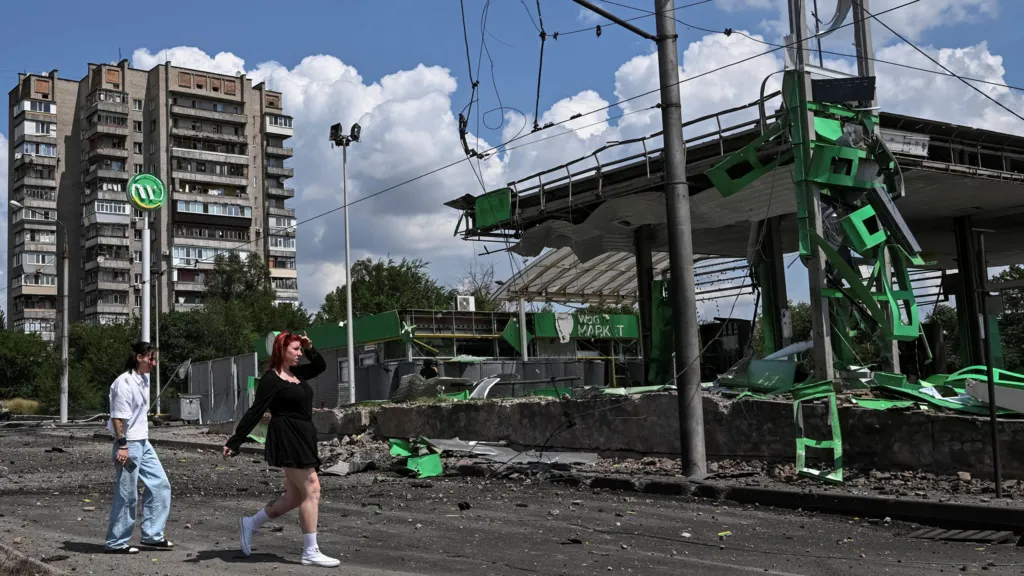
However, so far the drone strikes have not had a dramatic impact on fuel supplies. According to a report by the National Bank of Ukraine, 4% of the country's filling stations have been damaged or destroyed, but the impact on the market has been small.
"Increasing sales in regions which are further away from the front line or from the border with Russia have made up for sales lost at destroyed stations," the report says.
The picture in Russia is very different, after Ukraine's campaign of attacks on Russian refineries and other infrastructure.
Russia has seen fuel shortages in almost every region as a result. One popular newspaper in Russia, Izvestia, said last week that petrol was only available at 28% of Russian filling stations.
Unlike in Russia, Ukraine does not rely on vulnerable large refineries and fuel depots, instead importing fuel by road using tanker trucks.
Ukraine's market is also saturated with numerous petrol stations, which usually offer drivers alternatives should one or several of them be targeted in a particular area, Sirenko says.
"You curse and drive on to another petrol station. OK, you travel for 10km more than you bargained for, but that's not such a big problem," he says.
If anything, it is the war between the US and Iran that is having a bigger impact on local fuel prices, he says. Normally, the most expensive parts of filling stations are left undamaged by Russian attacks, such as petrol and diesel tanks underground.
Latest Stories
-
2026 U-17 WWC: Black Maidens lose to China in pre-tournament friendly
1 minute -
Who gave Gbande the EOCO remote control?
22 minutes -
Ghana begins review of 1999 National Land Policy, targets new framework by 2027
1 hour -
Tiptoe Lane’s tech takeover: The story behind Ghana’s booming informal phone market
2 hours -
Abanga vows to use social media to counter NDC messaging ahead of 2028 elections
2 hours -
Okai Mintah seeks Sabah Zita Benson’s support for NDC National Youth Organiser bid
3 hours -
Okai Mintah vows to strengthen NDC campaign machinery ahead of 2028
3 hours -
Mother of four and Jasikan teacher among new Telecel M’ahitti Promo winners
3 hours -
International Youth Shakers Conclave 2026 set to bring global young leaders to London
3 hours -
Gov’t is committed to addressing teachers’ conditions of service, deprived-area allowance – Education Minister
3 hours -
GoldBod’s structure encouraging galamsey – Afenyo-Markin
3 hours -
Tullow starts selling Jubilee, TEN crude to Ghanaian refineries
3 hours -
Local Government Service authorises rationalisation, redistribution of staff
3 hours -
PURC assures consumers of working to ensure quality services in Northern Region
3 hours -
Ghana develops US$4.28bn water financing framework
3 hours