

Audio By Carbonatix
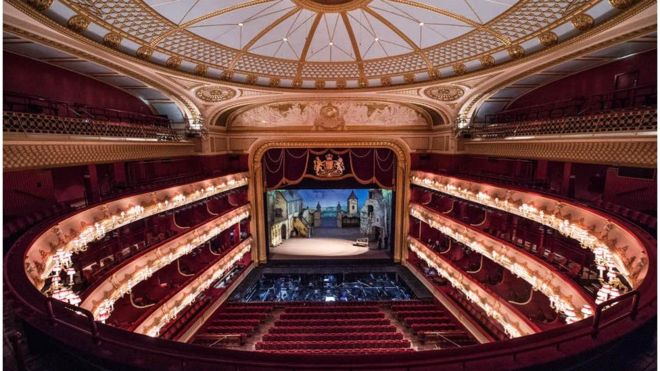
The BBC is to broadcast the Royal Opera House's first post-lockdown performance across TV and radio later this month.
The concert, which will take place without a live audience, is scheduled for 13 June, hosted by the venue's director of music Antonio Pappano.
It will feature a dance premiere by Wayne McGregor, resident choreographer of the Royal Ballet, as well as music by Britten, Handel and Butterworth.
Radio 3 will air the show on 15 June, with TV highlights later in the month.
Like all cultural venues around the UK, the Opera House closed in March, when the government banned gatherings to stop the spread of coronavirus.
Since then, the venue's income has dropped by 60%, chief executive Alex Beard said last month.
The reopening performance will also be free to watch on YouTube and Facebook, with subsequent concerts on 20 and 27 June available to view live and on demand for £4.99.
The BBC's coverage was announced by director general Tony Hall as part of a raft of cultural commissions.
Peter Capaldi will play Ludwig van Beethoven in a new Radio 3 drama marking the 250th anniversary of the German composer's birth, while BBC Four will present a "major new series" about his life.
A performance of his opera Fidelio, filmed at the Royal Opera House before it closed its doors, will also be broadcast.
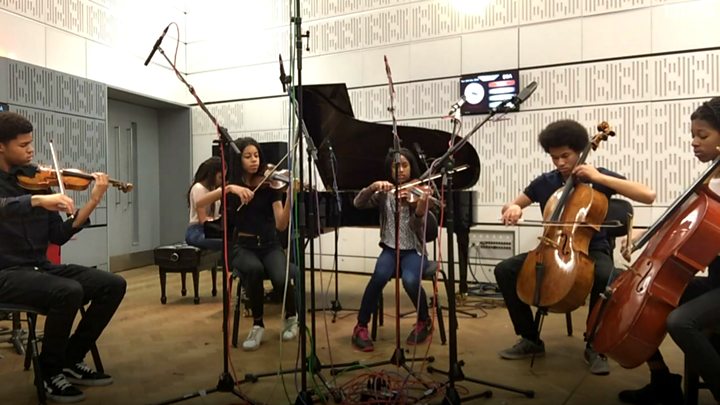
The musical family of royal wedding cellist Sheku Kanneh-Mason will feature in a new BBC One film, culminating in a lockdown concert from their home; while BBC Four will profile conductor Bernard Haitink on his 90th birthday.
And with the summer music season on hold, a number of performances will be made available on iPlayer from opera houses that have had to shut their doors during the lockdown.
Among them will be Barber of Seville from Glyndebourne, Turn of the Screw and The Marriage of Figaro from Garsington, and a performance of Opera North's La Traviata filmed from backstage.
Lord Hall said the BBC would also expand its Culture In Quarantine programme, with "unique projects focused on museums and galleries" and the release of archived concerts from the BBC's vaults.
"The pandemic has had a severe impact on the UK's creative industries, which prior to lockdown were worth £100bn per year," the director general said.
"The BBC wants to do all it can to bring British creativity to the widest possible audience. That's why we are working with cultural organisations and artists to make that happen."
Latest Stories
-
Tiptoe Lane’s tech takeover: The story behind Ghana’s booming informal phone market
23 minutes -
Abanga vows to use social media to counter NDC messaging ahead of 2028 elections
25 minutes -
Okai Mintah seeks Sabah Zita Benson’s support for NDC National Youth Organiser bid
39 minutes -
Okai Mintah vows to strengthen NDC campaign machinery ahead of 2028
45 minutes -
Mother of four and Jasikan teacher among new Telecel M’ahitti Promo winners
46 minutes -
International Youth Shakers Conclave 2026 set to bring global young leaders to London
47 minutes -
Gov’t is committed to addressing teachers’ conditions of service, deprived-area allowance – Education Minister
51 minutes -
GoldBod’s structure encouraging galamsey – Afenyo-Markin
53 minutes -
Tullow starts selling Jubilee, TEN crude to Ghanaian refineries
55 minutes -
Local Government Service authorises rationalisation, redistribution of staff
58 minutes -
PURC assures consumers of working to ensure quality services in Northern Region
1 hour -
Ghana develops US$4.28bn water financing framework
1 hour -
Christian Council calls for protection of mission schools’ religious identity
1 hour -
Mahama holds discussions with India’s External Affairs Minister
1 hour -
Even when you cough, they come after you — Abanga accuses Mahama govt of criminalising free speech
2 hours