

Audio By Carbonatix
Africa's largest economies, Nigeria and South Africa, are driving the strongest growth in demand for stablecoins and are the most optimistic about their potential, according to a survey, with many users also wanting them to become more widely accepted.
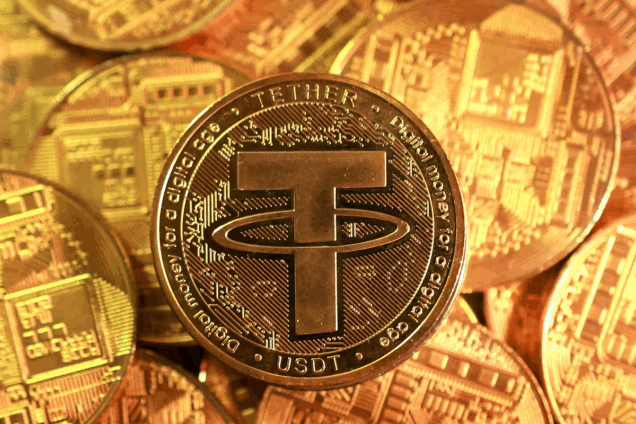
Stablecoins are promising faster and cheaper ways to move money in poorer countries, but as 99% of them, including the dominant Tether and USDC, are pegged to the dollar, they also raise worries about economic dollarisation and capital flight.
The survey, titled the Stablecoin Utility Report and conducted by YouGov with crypto firms BVNK, Coinbase, and Artemis, collected responses from more than 4,650 individuals in 15 countries who either hold or plan to hold stablecoins or cryptocurrencies.
The use of the coins today is largely for moving money between cryptocurrency markets. Nearly nine-tenths of stablecoin transactions relate to crypto trading, while just 6% are for payment of goods or services, BCG estimated in a report last year.
PREFERENCE FOR STABLECOIN PAYMENTS
The report, which also found growing demand for stablecoins in other emerging countries such as India, showed over half of those surveyed had increased stablecoin holdings in the last year, with developing economies seeing the strongest trends.
Almost 80% of Nigerian and South African respondents already held stablecoins, the figures showed, with over 75% of those also intending to increase their holdings further in the coming year.
Among non-owners, the intent to start holding stablecoins was roughly twice as high in low and middle-income economies than in high-income ones, with 95% of Nigerian respondents saying they would prefer to receive payments in stablecoins than in the Naira.
"People are already getting paid and spending stablecoins, especially where traditional payments are slow, expensive, or unreliable," said Chris Harmse, co-founder of BVNK.
But they are also "asking for greater integration into their existing financial tools," he added.

THREAT TO MONETARY POLICY
Globally, the stablecoin market is valued at more than $310 billion, dominated by U.S.-pegged tokens such as Tether ($185 billion) and USDC ($75 billion). The market is expected to expand further following U.S. regulatory moves, such as the GENIUS Act.
However, central bankers in emerging economies remain cautious. They fear that stablecoins could drain domestic bank deposits, undermine monetary policy, and facilitate capital flight.
South African Reserve Bank Governor Lesetja Kganyago pointed out a potential benefit, noting remittance fees as high as $30 to send $100 to neighbouring Mozambique, a gap stablecoins could help address.
The survey also highlighted limited acceptance of stablecoins in retail settings and online as a barrier to broader adoption for everyday purchases and subscriptions.
Latest Stories
-
Hawa Koomson pledges experienced and mature leadership of NPP women’s wing
47 minutes -
Young woman found dead at Kasoa Peace Town
1 hour -
Playback: The Law examined lawful arrest in Ghana
2 hours -
Mahama urges African governments to treat healthcare as an investment, not budget cost
2 hours -
Bawumia congratulates John Boadu and new NPP executives, pledges support ahead of 2028
2 hours -
‘No talent should be left out’ – Bawumia pledges inclusive NPP campaign for 2028
2 hours -
Prof. Mike Oquaye recounts how he blocked the Special Prosecutor’s attempt to arrest Bawku Central MP
3 hours -
Make health sovereignty a priority for Africa – Mahama
3 hours -
Dorimon Naa, Wa West DCE lead massive clean-up exercise; threaten sanctions against recalcitrant residents
3 hours -
Photos from Adom FM Y2K Jam
3 hours -
Praye Tiatia steals the show at Adom FM Y2K Jam [Watch]
3 hours -
Boakye Agyarko congratulates John Boadu, pledges support for NPP leadership
4 hours -
Antwi HiMight thrills fans with Antwi ne Antwi hits at Adom FM’s Y2K Jam [Video]
4 hours -
Amb. Edward Boateng congratulates Boadu, Kodua on election wins
4 hours -
John Boadu pledges to rebuild NPP from grassroots and restore ‘winning machinery’
4 hours