

Audio By Carbonatix
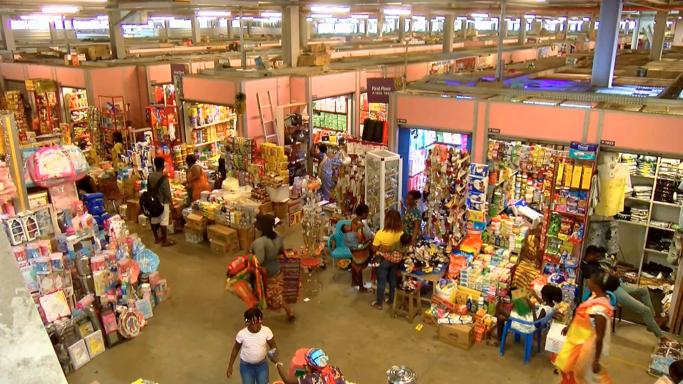
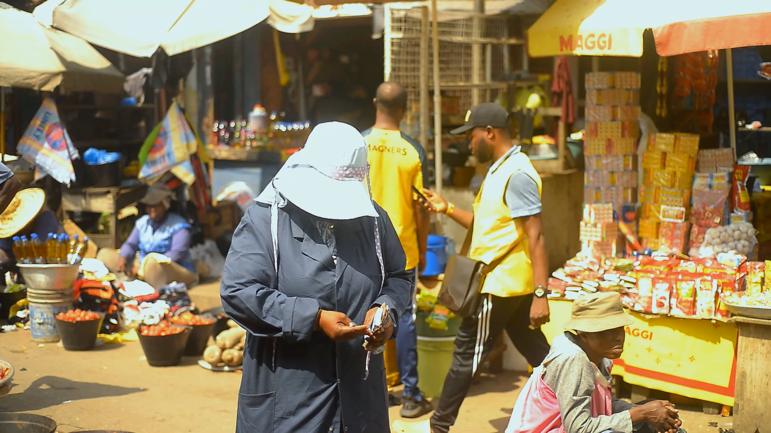
Some retailers of consumer goods in Kumasi claim they have little to do with calls for a reduction in prices of goods on the market.
They say importers, suppliers and manufacturers are to blame for maintaining old and high prices.
Consumers have anticipated the appreciation of the cedi against major international currencies and a reduction in fuel prices will lead to a price reduction in goods.
The Ghana cedi has cumulatively gained approximately 33.6% value against the US dollar in December.
Brent crude has fallen below $80 for the first time since January, resulting in a reduction in fuel prices at the local pump, and subsequently, affecting a 15.7 per cent reduction in transportation fares.
These factors are seeming determiners of the prices of goods and services for traders and the Ghana business community.
However, traders have declined calls by President Akufo-Addo, and regulatory bodies like the Ghana Union of Traders Association to reduce the prices of goods and services to reflect the new reality.
Akwasi Agyeman, a wholesaler of provisions in Kumasi, laments he cannot reduce the prices of his goods because suppliers are operating with old prices.
“Reducing the price of a bag of rice at ¢400 will reflect in how I would sell mine. Whilst they haven't done that, traders cannot.
"Until the wholesalers change the prices, including that of old and new stock, the price of goods remains the same,” he said.
Nana Adwoa Botchwey, a retailer of groceries, says reducing the prices of her goods will put her out of business.
“Reducing the price would be very difficult. None of the items sold has been reduced. Suppliers supply the items on credit, if it is sold at ¢50,000, reducing it to ¢40,000, would leave me in debt. Let us blame those who manufacture, import, and supply the goods.
"They increased prices at the wholesale offices when the dollar appreciated, and they are refusing to do so now. It is not our fault,” she lamented.
Maa Kisiwaa says although she has slashed the prices of some of her items, she still has to deal with other high living expenses.
She says patronage has also been affected, as patrons are willing to buy only less expensive items.
“As a Christian, I have sacrificed and reduced a gallon of oil from ¢70 to ¢55. With that, I use all my money to pay the rental fee for this shop.
"I don't charge exorbitant prices, but I can't also run at a loss. Buyers come and refuse to buy because old items are being sold at old prices. They ask for the price often but buy from where it is cheaper,” she said.
Latest Stories
-
A source of excellence across generations – Vice President Opoku-Agyemang lauds Mfantsipim
53 minutes -
(Photos) Mfantsipim School launches historic 150th anniversary
1 hour -
Knights and Ladies of Marshall group backs Catholic Bishops’ stance on anti-LGBTQ+
2 hours -
Bright Simons writes: All the Filla in the Ibrahim Mahama/E&P – Gold Fields Saga
3 hours -
Monetise Idiocy In Ghana
3 hours -
The Ghanaian prophet and the mysterious death of his scottish wife Charmain Speirs
3 hours -
Nearly 400 sentenced in Nigeria for links to militant Islamists
4 hours -
Ghana’s recovery supported by gold strength despite global oil price pressures – Standard Bank Research
4 hours -
Methodist Church hails Mfantsipim@150; calls for “fresh consecration” to excellence
4 hours -
‘Excellence is our inheritance’ – Nana Sam Brew-Butler hails Mfantsipim’s 150-year reign in leadership
4 hours -
Kwaku Azar writes: A-G vs OSP
5 hours -
Mfantsipim–Adisadel rivalry built excellence, not division – Sam Jonah
5 hours -
Vice President launches Mfantsipim’s 150 years of shaping Ghana’s greatest mind
5 hours -
I assure Otumfuo, Mahama will join him to commission KNUST Teaching Hospital by end of this year – Haruna Iddrisu
6 hours -
Barcelona dominate derby to extend La Liga lead
6 hours