

Audio By Carbonatix
Health Experts say refusal of blood transfusion is not synonymous to rejection of medical care. They therefore caution against rejection and stigmatisation of people who refuse blood transfusion.
They said the decision not to accept blood transfusion was not ethically and medically wrong and per Ghana's legal regime and other international conventions, the patient had the right over their health needs.
Mr Sakitey Sackey, Staff Researcher at the Hospital Information Department of Jehovah's Witnesses, Ghana, said there had been alternative medications that had been proven and tested in Ghana and across the globe.
He was speaking during a media sensitisation on the topic: "The Medical and Ethical Challenges -Those Refusing Allogeneic Blood Transfusion," using the Jehovah's Witnesses as a Case Study Group.
The engagement sought to bring to light the importance of alternative medication.
Mr Sackey said: "If anyone or doctors say it is only the blood that patients need to survive, that is not so but there are alternatives."
He said the application of alternative medications would help reduce the amount of blood required at health facilities and limit the adverse effect of blood transfusion.
"It reduces health care costs, the cost of the health system and mortality," he said.
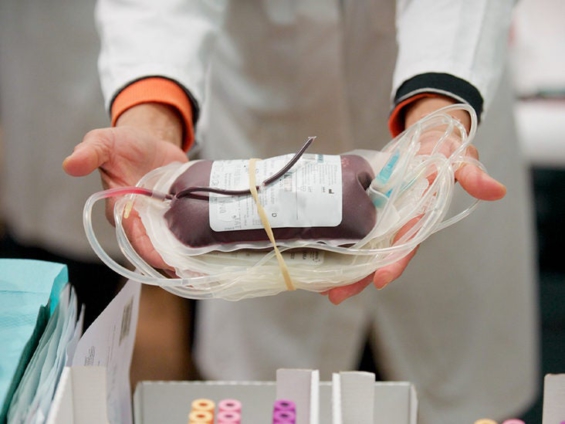
The Jehovah's Witnesses are said to be stigmatised for not accepting allogeneic blood transfusion (someone's blood to another person) and autologous blood transfusion (reinfusion of blood or blood components to the same individual from whom they were taken).
However, there are minor fractions of the blood component that are acceptable by them.
Mr Samson Kraikue, a Clinical Pharmacist and Programme Coordinator for Hospital Information Department, Jehovah's Witnesses, Ghana, said blood transfusion was not sacrosanct to the survival of patients.
He said alternative medications had proven to be simple, easy, efficacious, and cost-effective in cases of trauma and emergency, especially based on the type of alternative used and time it had been used.
"There have been instances where people die from blood transfusion and the cost of managing blood transfusion reactions is huge. You have no idea," he said.
He said it was possible to manage road accident victims, who have lost blood without allogeneic blood transfusion and that the country needed to develop protocols to care for patients in the absence of blood transfusion.
Dr Emmanuel Akorli, Managing Director at the Tamale Teaching Hospital, said: "We have experienced patients who come in with very low haemoglobin and the patients are managed with these alternatives and they survive. So, it is true, it is possible, it works."
"It is unfortunate some of our doctors just do not want to try the alternative, but there are others who have embraced it," he said.
Latest Stories
-
‘Cockroach’ group leaders among hundreds detained in Delhi protest
2 minutes -
Don’t let speed of information become your judgement – CJ tells new lawyers
40 minutes -
World Cup visa scandal: People have leveraged public office to facilitate fraud – Senyo Hosi
45 minutes -
Glut! Farmers count losses as prices crash, customers happy
1 hour -
GSA postpones auction of unserviceable vehicles
1 hour -
Man charged with attempted murder after stabbing
1 hour -
World Cup visa scandal: Senyo Hosi says issue goes beyond calls for Sports Minister’s resignation
1 hour -
Yaw Ampofo Ankrah hasn’t taken or received any money to facilitate visas – Lawyer insists
2 hours -
World Cup visa scandal: Senyo Hosi urges focus on constitutional accountability
2 hours -
La Beach demolition: Senyo Hosi condemns lack of consultation
2 hours -
Russian glide bomb attack on Zaporizhzhia kills at least 15 people
2 hours -
Jinapor warns underperforming energy sector CEOs of consequences, says no protection for failure
2 hours -
Fire destroys head of tipper truck on Lower Volta Bridge
2 hours -
Palmer signs new Chelsea contract until 2034
2 hours -
World Cup visa scandal: Mahama will act on corruption allegations – Abass Nurudeen
2 hours