


Audio By Carbonatix
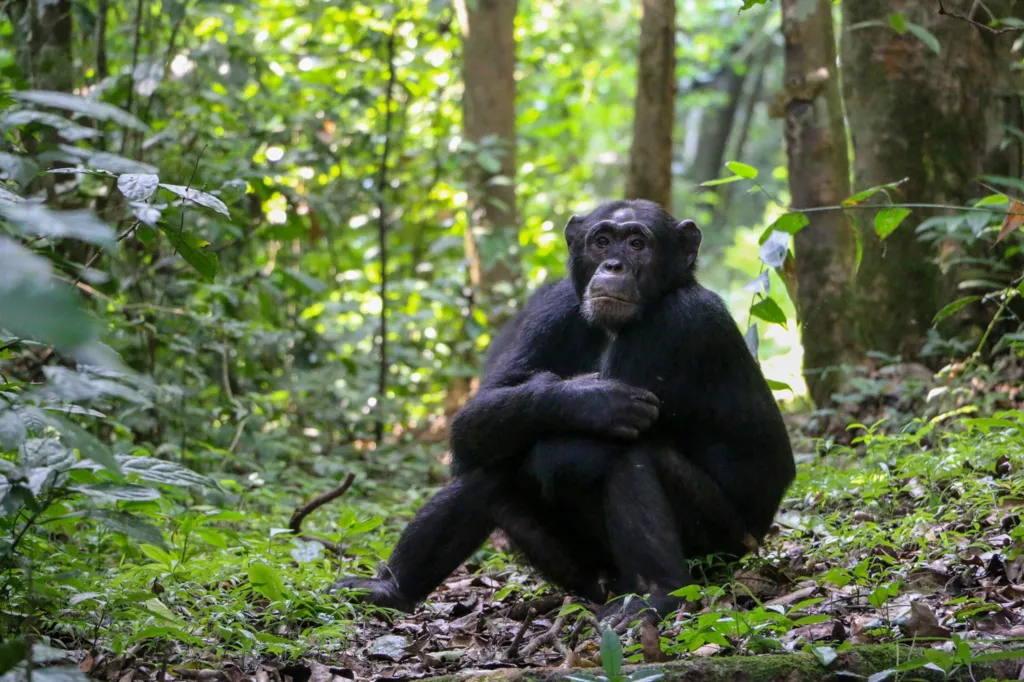
Wild chimpanzees eat plants that have pain-relieving and anti-bacterial properties to heal themselves, according to scientists.
They described their “detective work” in the forests of Uganda - observing animals that appeared injured or sick to work out whether they were self-medicating with plants.
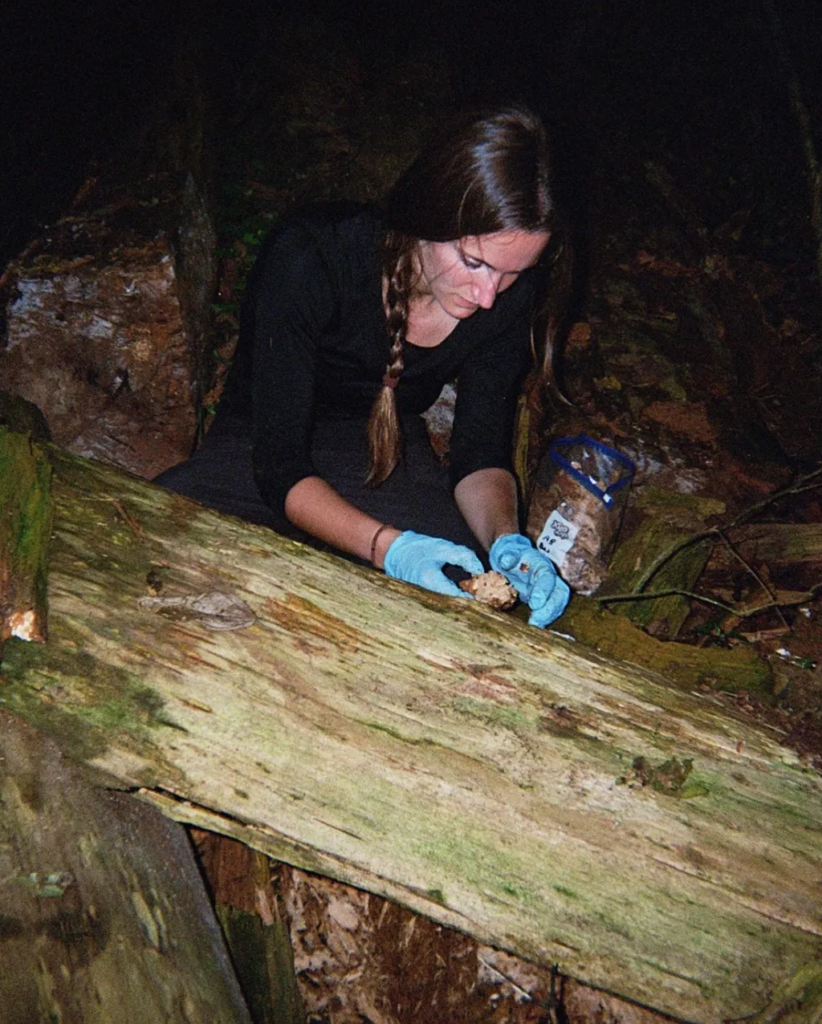
When an injured animal sought out something specific from the forest to eat, the researchers collected samples of that plant and had it analysed. Most of the plants tested turned out to have antibacterial properties.
The scientists, who published their findings in the journal PLOS One, think the chimps could even help in the search for new medicines.
Elodie Freymann
“We can't test everything in these forests for their medicinal properties, lead researcher Dr Elodie Freymann, from the University of Oxford, said. “So why not test the plants that we have this information about - plants the chimps are seeking out?”
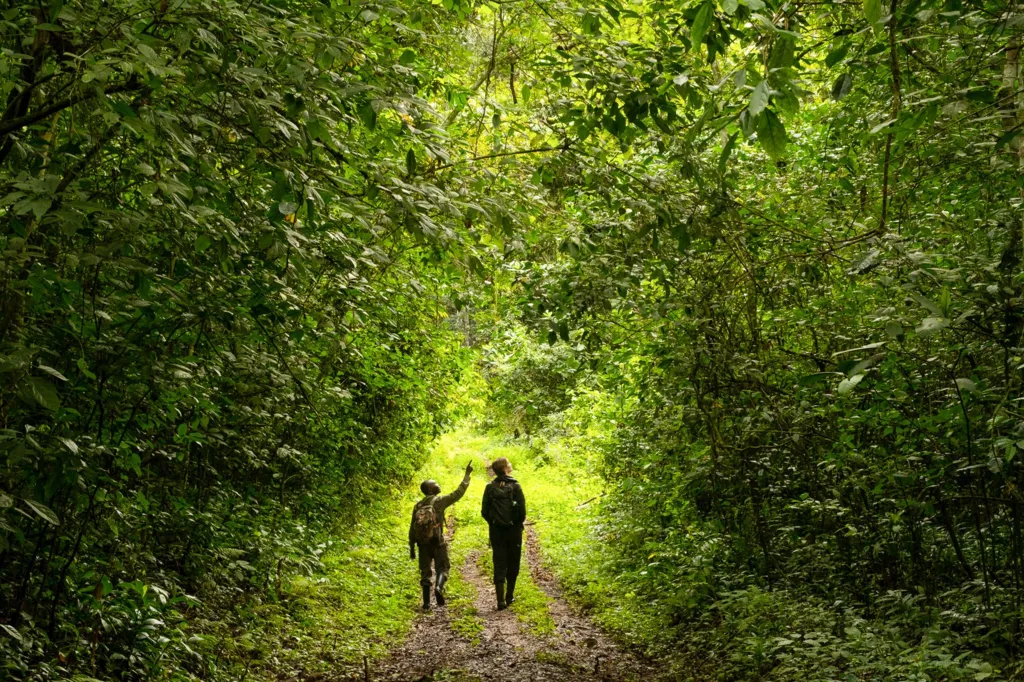
Over the past four years, Dr Freymann has spent months at a time following and carefully observing two communities of wild chimpanzees in Budongo Central Forest Reserve.
As well as looking for signs of pain - an animal limping or holding its body in an unusual way - she and her colleagues collected samples of droppings and urine to check for illness and infection.
They paid particular attention when an injured or ill chimpanzee sought out something they do not normally eat - such as tree bark or fruit skin.
“We were looking for these behavioural clues that the plants might be medicinal,” Dr Freymann explained.
She described one particular chimp - a male - that had a badly wounded hand.
Austen Deery
“He wasn't using the hand to walk, he was limping,” she recalled. While the rest of this animal’s group were sitting around eating, the injured chimp limped away looking for ferns. “He was the only chimp to seek out and eat these ferns.”
The researchers collected and analysed the fern - a plant called Christella parasitica, which turned out to have potent anti-inflammatory properties.
In total, the researchers collected 17 samples from 13 different plant species and sent them to be tested by Dr Fabien Schultz, at the Neubrandenburg University of Applied Sciences in Germany.
That revealed that almost 90% of the extracts inhibited bacterial growth, and a third had natural anti-inflammatory properties, meaning they could reduce pain and promote healing.
All the injured and ill chimps reported in this study fully recovered, Dr Freymann was happy to report. “The one who ate ferns was using his hand again within the next few days,” she explained.
Austen Deery
“Of course, we can't 100% prove that any of these cases were a direct result of eating these resources,” she told BBC News.
“But it highlights the medicinal knowledge that can be gained from observing other species in the wild and underscores the urgent need to preserve these ‘forest pharmacies’ for future generations.”
Latest Stories
-
Abuse case: Nana Akua’s husband Harold unable to appear in court after hospital admission – Police
19 minutes -
Mahmud Kabore picks NDC Ashanti Regional Communication Officer nomination forms
25 minutes -
KNUST Career Services pioneer Selina Doe Angmor named among 2026 40 Under 40 honourees
27 minutes -
Nana Akua domestic abuse case: Police to arraign husband after hospital discharge
29 minutes -
NHIS coverage rises to 70% after government uncaps levy – Health Minister
36 minutes -
World Cup visa scandal: I’ll go after anyone who dents Mahama’s gov’t – Ernest Norgbey
45 minutes -
GCNM calls for a permanent office complex, more funding for specialist nursing training
45 minutes -
Salomey Awiti Baffoe reunites with family after GH¢100k bail
57 minutes -
We’ll modernise Accra without losing its heritage – Roads Minister assures Ga Mantse
1 hour -
Rent Control urges Parliament to expedite amendment of outdated rent laws
1 hour -
The scars on the drum: A Nunyãdume reflection on failure, courage and the audacity to try
1 hour -
Gender Ministry warns perpetrators of violence after Nana Akua Addo videos circulate
2 hours -
Police investigate alleged child-stealing involving two pupils in Ashanti Region
2 hours -
Nhyiaeso NPP Chairman provides GH₵50,000 support to executives, party members, and community
2 hours -
Man nearly drowns while swimming to catch missed pontoon on Volta Lake
2 hours