

Audio By Carbonatix
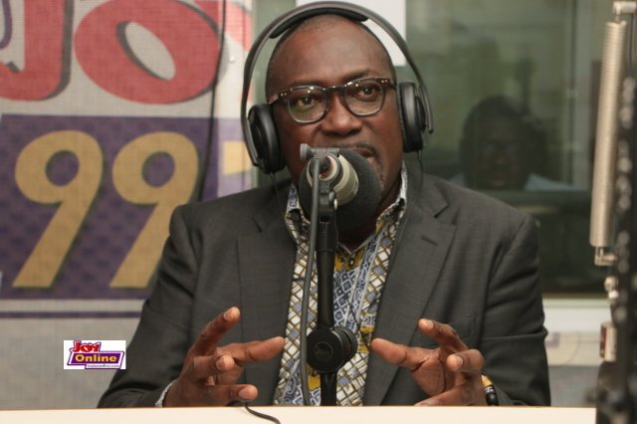
Chairman of the Constitutional Review Committee, Professor H. Kwasi Prempeh, has warned that the excessive powers currently vested in the Office of the Chief Justice pose a serious threat to Ghana’s democracy and judicial integrity.
Speaking at a Learning and Exchange event organised by the African Judicial Independence Fund (AJIF), Prof. Prempeh called for sweeping constitutional reforms to limit the concentration of authority in the CJ’s office, which he argues makes the judiciary susceptible to political influence.
According to him, the current arrangement, where the CJ holds both administrative and judicial control over the entire court system, creates a centralised structure ripe for abuse.
“The larger the court, the greater the temptation for the Chief Justice to feel empowered to empanel judges for specific cases,” he said.
“Even if that power is used, it must be regulated to avoid perceptions of bias. Once politicians recognise the extent of the CJ’s authority, they’ll start targeting the office.”
Prof. Prempeh also took issue with how Supreme Court justices are appointed and removed, arguing that both processes are overly reliant on presidential discretion and lack sufficient transparency and stakeholder involvement.
“We need more stakeholders involved in the nomination process to prevent it from becoming the president’s sole decision, rubber-stamped by a compliant partner,” he said.
“As for removals, we initially overlooked this because it wasn’t commonly applied to judges. But after its use against the CHRAJ Commissioner, then the Electoral Commission, and now the Chief Justice, precedent has been set, so both processes need to be revisited.”
Prof. Prempeh stressed that if Ghana’s judiciary is to retain its legitimacy and public confidence, urgent reforms are needed, not just to ensure independence from political interference but also to promote accountability within the judicial arm of government.
Latest Stories
-
Power restoration fault suspected in Kumasi Central Market fire
5 hours -
The 7-foot giant of Ngleshie Amanfro: Seven-foot Ghanaian Ephraim Saawa dreams of joining the national basketball team
5 hours -
Government promises support for Kumasi Central Market fire victims
5 hours -
Vibes The Movie: Big Ghun’s Ghanaian film earns five nominations at 2026 REFFA
6 hours -
MamaCare CEO warns unresolved conflicts among health workers could undermine maternal and neonatal care
6 hours -
Health professionals urged to translate medical knowledge into practice to save mothers
6 hours -
Retired judge Justice Francis Korbieh charges 1,568 new lawyers to uphold integrity
8 hours -
Conflicts among care providers linked to maternal, neonatal deaths – Expert
8 hours -
GIS marks 10th TIME conference, champions improved teaching practices
8 hours -
BRICS Or Balance? What Ghana’s bid really means
9 hours -
GPRTU wants full TRAFFITECH-GH implementation to start in 2027
9 hours -
How 10-mile walks for basic education birthed a 50-year legal career for Justice Korbieh
9 hours -
Mahama announces plans to import electric wheelchairs for PWDs
9 hours -
KGL U17 Colts 2026: Western beat Prempeh Elite Academy to set up final final with Greater Accra Region
9 hours -
Late Solanke strike salvages 10-man Spurs draw at Man United
9 hours