


Audio By Carbonatix
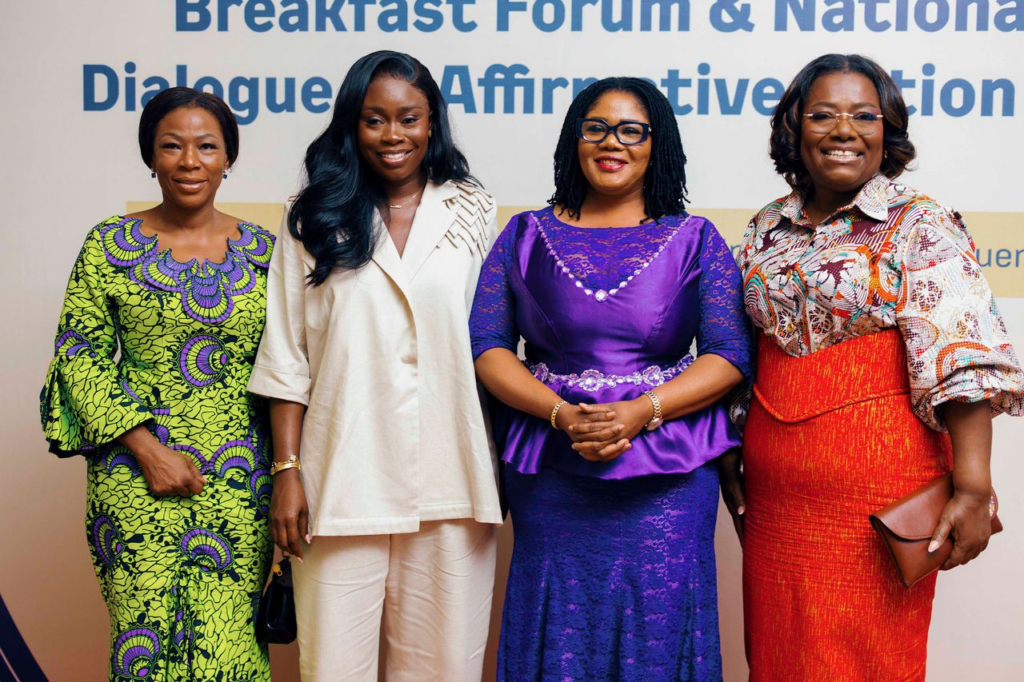
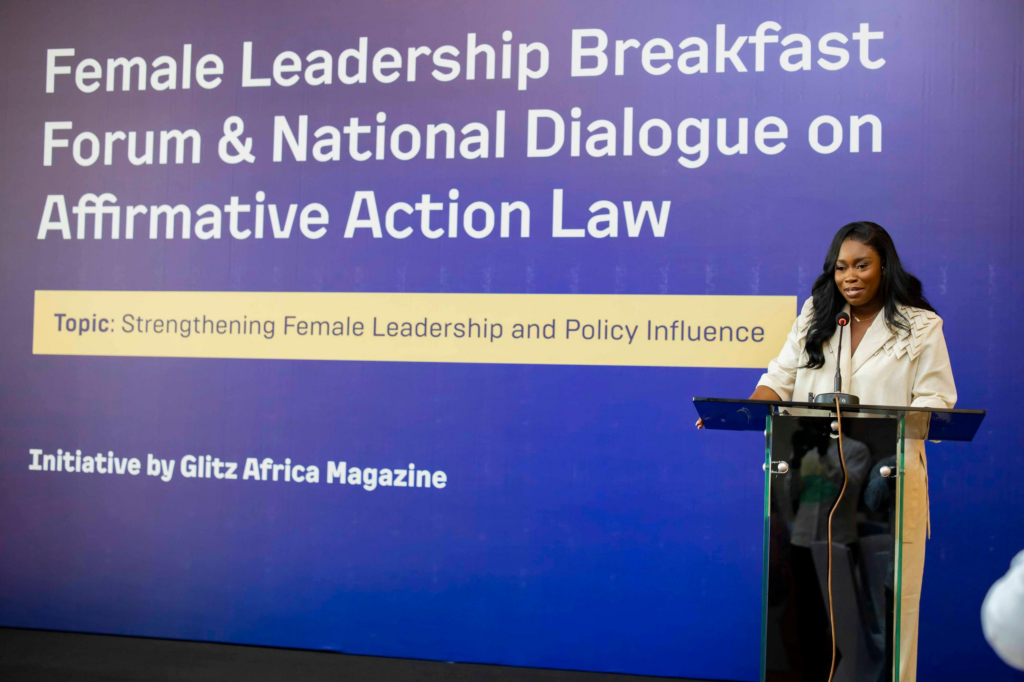
The Marriott Hotel in Accra on March 28, hosted the 2025 Women’s Leadership Breakfast Forum, convened by Claudia Kwarteng Lumor.
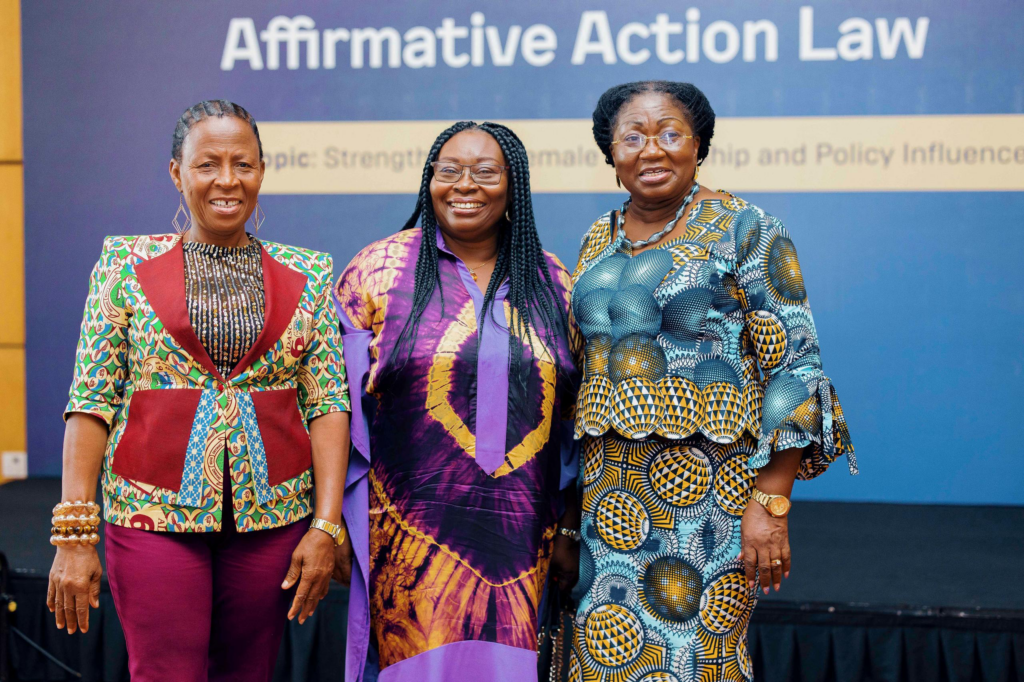
The event brought together female MPs, foreign ambassadors, and policy influencers to discuss the next steps following the passage of Ghana’s Affirmative Action Law.

The law sets ambitious targets—30% representation of women in decision-making by 2026, 35% by 2028, and 50% by 2030—but implementation remains the challenge. Claudia Kwarteng Lumor set the tone:
"How do we ensure that women are not just present in leadership spaces but are also empowered to drive transformative change?"
Nana Oye Bampoe, Ghana’s Deputy Chief of Staff, traced the law’s origins to 1996 when Gloria Ofori Boadu first proposed it. After nearly three decades of lobbying, setbacks, and negotiations, it is now law.
"Thirty-three years later, we now have an act. It’s a moment for celebration, but also a moment for accountability," Bampoe noted, highlighting the backlash women in leadership often face.
Ghana’s Minister for Gender, Children, and Social Protection, Dr. Agnes Naa Momo Lartey, reassured attendees of the government's commitment to enforcement.
A Gender Equity Committee will monitor compliance across ministries, departments, and agencies, with a legislative instrument in development to guide implementation.
However, enforcement often falters due to lack of funding, institutional resistance, and cultural pushback.
International representatives, including Harriet Thompson (British High Commissioner to Ghana) and H.E. Simone Giger (Swiss Ambassador), stressed the need for global partnerships in ensuring gender equity extends beyond politics into economic and social spaces.
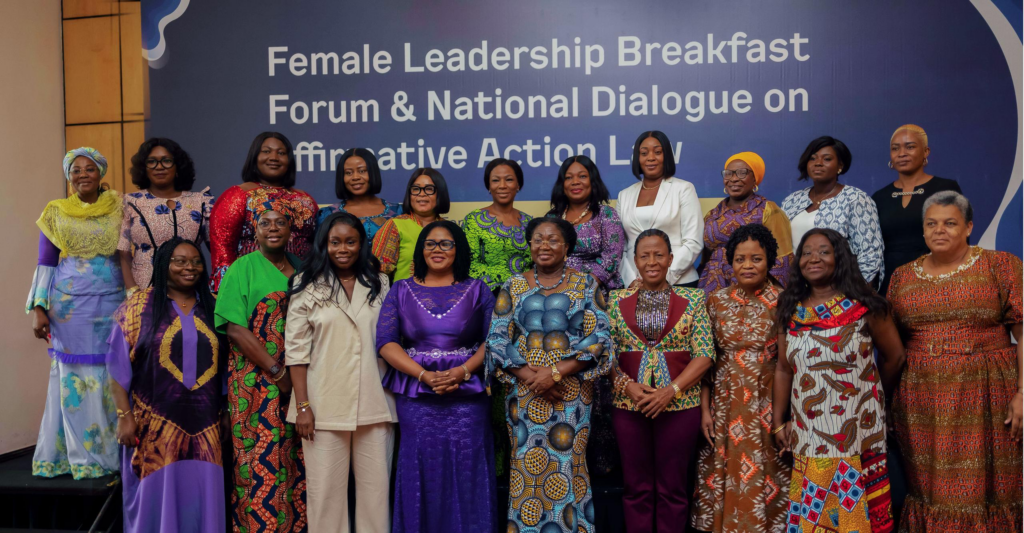
Claudia Kwarteng Lumor closed the summit with a call to action:
"This dialogue must lead to action. We cannot afford to let this law remain words on paper. Together, we must build a Ghana where leadership reflects the true diversity of its people."
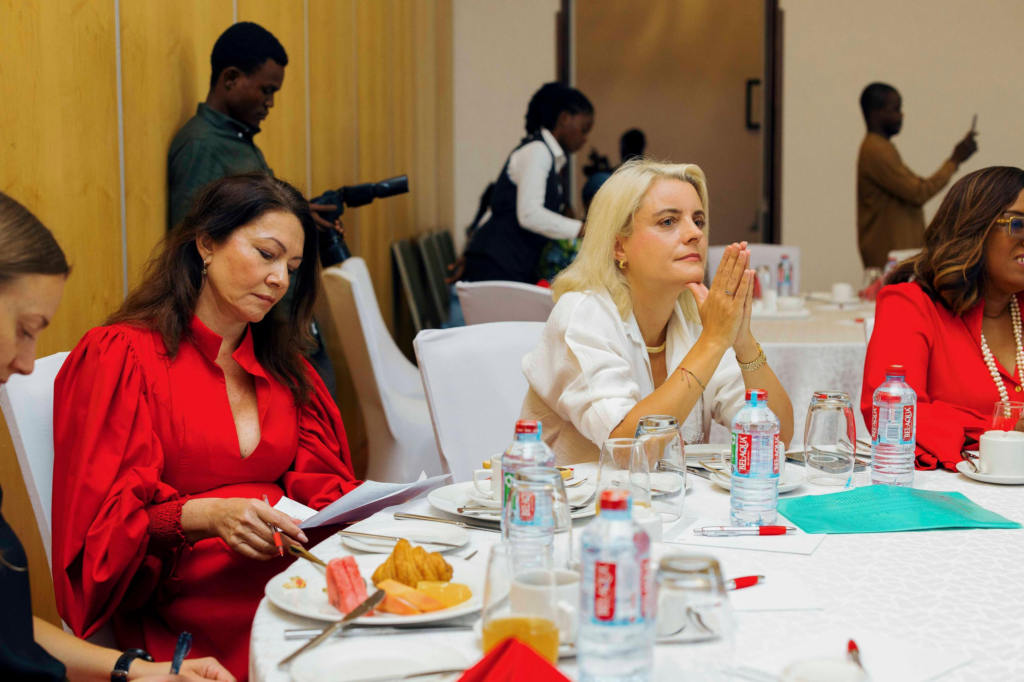
The 2025 Women’s Leadership Breakfast Forum was a crucial step, but the real test lies in moving from policy discussions to measurable impact.
Latest Stories
-
Power restoration fault suspected in Kumasi Central Market fire
3 hours -
The 7-foot giant of Ngleshie Amanfro: Seven-foot Ghanaian Ephraim Saawa dreams of joining the national basketball team
4 hours -
Government promises support for Kumasi Central Market fire victims
4 hours -
Vibes The Movie: Big Ghun’s Ghanaian film earns five nominations at 2026 REFFA
4 hours -
MamaCare CEO warns unresolved conflicts among health workers could undermine maternal and neonatal care
5 hours -
Health professionals urged to translate medical knowledge into practice to save mothers
5 hours -
Conflicts among care providers linked to maternal, neonatal deaths – Expert
6 hours -
GIS marks 10th TIME conference, champions improved teaching practices
7 hours -
BRICS Or Balance? What Ghana’s bid really means
7 hours -
GPRTU wants full TRAFFITECH-GH implementation to start in 2027
7 hours -
Mahama announces plans to import electric wheelchairs for PWDs
7 hours -
KGL U17 Colts 2026: Western beat Prempeh Elite Academy to set up final final with Greater Accra Region
8 hours -
Late Solanke strike salvages 10-man Spurs draw at Man United
8 hours -
Gender Ministry to monitor welfare of Nana Akua Addo’s children amid domestic violence case
8 hours -
Benedict Okyere Yeboah: Ghana’s football problem goes beyond sacking a coach
8 hours