

Audio By Carbonatix
As climate threats mount, vulnerable Ghanaian farmers need the right protection to weather the storm to sustain production and their livelihoods.
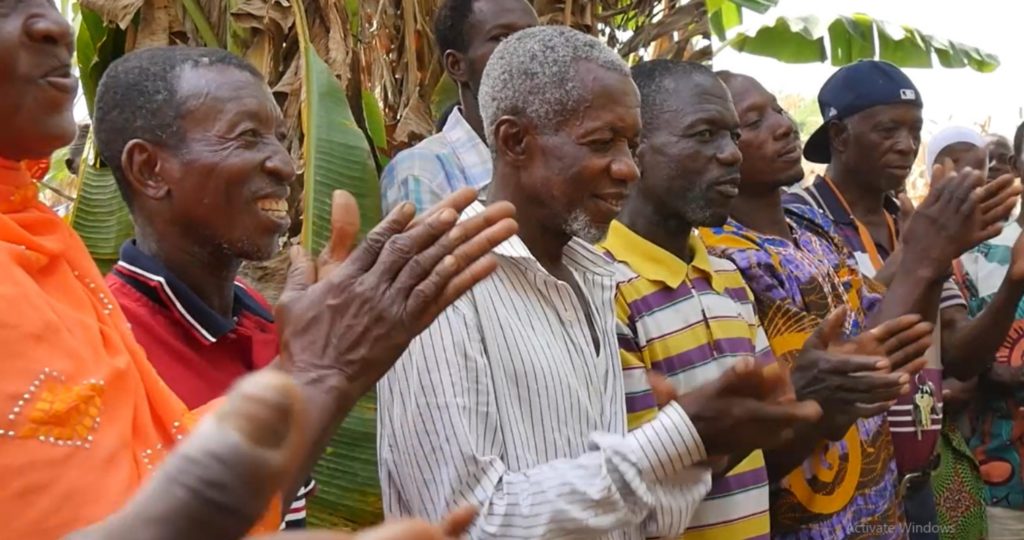
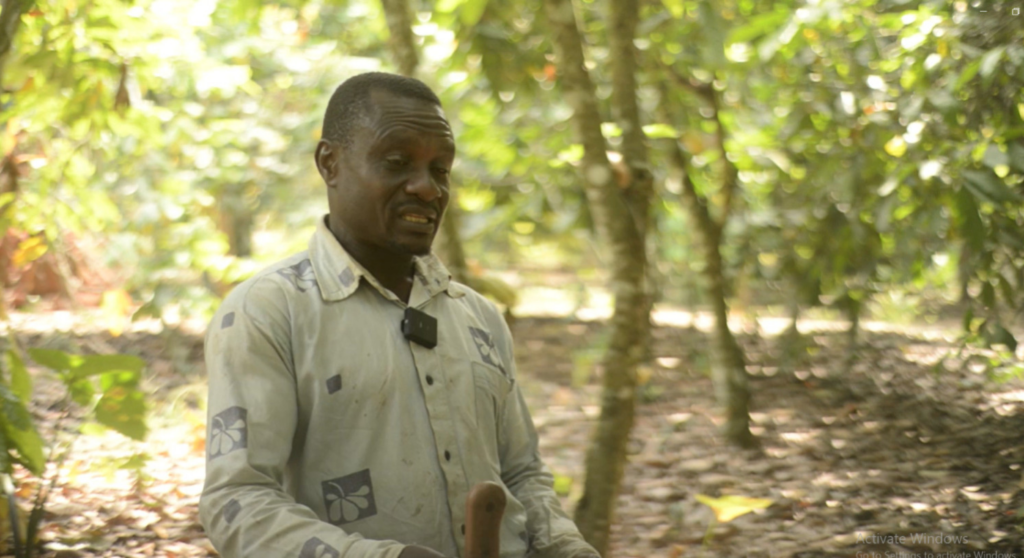
After 40 years of tilling the land to farm cocoa as cash crop and vegetables as food crop, Kofi Korankye, a farmer at Ejura in the Ashanti region, says when the weather fails, it becomes discouraging to venture farming.
“Some are reluctant to venture farming because it becomes daunting when there is no access to water,” he noted. “For instance, I’m cultivating pepper and garden eggs, aside the cocoa farm, but the source of water which is used to irrigate the farm has dried up. When this happens, there is no joy to continue production, you lose hope”.
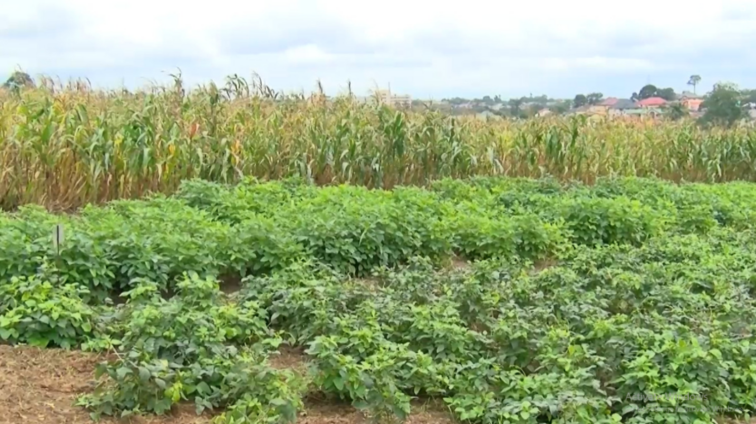
Kofi’s experience is increasingly common across Ghana’s agricultural belt, where climate change is redefining the rules of farming. Erratic rainfall, prolonged dry spells, and flash floods are pushing smallholder farmers to the brink, undermining food security and threatening rural livelihoods.
In recent years, Ghana has witnessed a steady rise in climate-induced agricultural losses. According to data from the Ministry of Food and Agriculture, crop yields in certain northern and middle-belt districts have dropped by up to 30% due to unpredictable weather events.
"Our farming calendar is broken,” explains Dr Victor Owusu, a researcher in coastal livelihoods management and agrarian food systems with the Department of Geography Education, University of Education, Winneba. “We’re seeing droughts where rains should be, and floods in harvest season. It’s a vicious cycle.”
This instability has eroded the resilience of rural farming households who rely solely on their produce to feed families, repay loans, and save for future seasons.
The Space of Agric Insurance
Against this backdrop, agricultural insurance is gaining attention as a potential game changer. Specifically, weather-index insurance is offering a beacon of hope. This is a product that pays farmers automatically when certain climate thresholds, like lack of rainfall, are breached.
Organizations like the Ghana Agricultural Insurance Pool (GAIP), in collaboration with development partners and agri-tech startups have started piloting insurance schemes that cater to smallholder farmers.
“Through our efforts, we have helped countless farmers recover from losses, enhance their productivity, and adopt more sustainable farming practices. GAIP’s insurance coverage provides peace of mind, allowing farmers to invest confidently in their operations, knowing that they are protected against unforeseen events,” noted the organization.
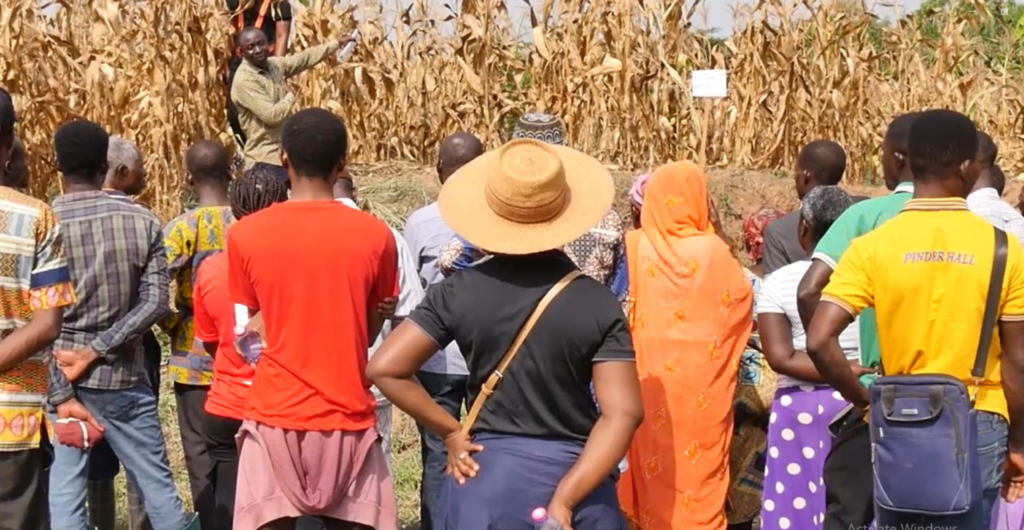
Rice farmer, Awoyaa, recounts her relief after receiving a payout when torrential rains destroyed her field. "The insurance didn’t bring back my rice, but it helped me replant. I didn’t have to borrow money this time,” she says.
The model involves farmers sign up, pay a subsidized premium, sometimes bundled with seeds or fertilizer, and receiving compensation if weather conditions meet the insured criteria.
Agricultural economist, Dr Jonas Osei-Adu, describes insurance cover for farmers as very critical.
“With good insurance, you can get funding from the banks,” he said. “When you go to the banks the first thing they look at is risk. So for us to be able to actually unlock capital, agric insurance is very critical”.
Despite its potential, agricultural insurance in Ghana remains underutilized. Less than 5% of the country’s farmers are covered. Barriers include lack of awareness, limited digital access, trust issues, and affordability concerns.
Dr Osei-Adu acknowledged the general low insurance penetration in the country but believes with education insurance uptake will improve.
“One of the challenges has to do with convincing farmers to pay insurance premiums, but if we are able to educate them to take up insurance, access to capital will be eased to propel our agriculture to another level,” he said.
Government and private sector players are increasingly recognizing the strategic role insurance can play in agricultural resilience. The National Insurance Commission (NIC) is collaborating with the Ministry of Food and Agriculture (MoFA) to develop policies that integrate crop insurance into national agricultural extension services.
Reducing risks of farming enterprises
Agronomist, Dr Michael Odenkey Quaye of the Department of Agriculture Science Education at the University of Education, Winneba, says there should be opportunities to reduce the risks of farming enterprises.
He says early warning systems must be in place for the meteorological agency to support farmers with accurate weather forecast, while the scientific community looks at breeding seed varieties which are drought resistant and resilient to the harsh weather condition.
“These should be incorporated into our farming enterprise so that in case one crop fails, the other will be there to support,” he stated.
Other climate smart agronomic practices, such as soil conservation and irrigation should also be promoted.
Dr Osei-Adu shares similar perspective. He believes the insurance should move in tandem with access to good seeds, irrigation and mechanization through partnerships with research institutions and other commercial interest groups.
“Agric is a risky area because of the weather and other factors, but once your capacity is enhanced, you’re able to minimize the risk and it becomes a good business.
Back in Ejura, farmer Kofi says he would want to sign up for his first insurance policy, though he is cautious.
"I’m hoping that with this insurance, if the rains fail, I won’t lose everything,” he says.
As Ghana navigates its path through the climate crisis, integrating agricultural insurance into a broader resilience strategy will be key. This includes strengthening farmer cooperatives, improving forecasting systems, supporting women-led agribusinesses, and incentivizing insurers to expand to cover more farmers.
Latest Stories
-
Asantehene plants trees to commence Jimi Watercourse Rehabilitation destroyed by galamsey
22 minutes -
15 arrested, 6 trucks impounded over sandwinning activities on Kumasi-Accra Expressway
22 minutes -
OFFICIAL: Vinicius will miss El Clásico, suspended four games
26 minutes -
Prayer vigil held after four arson attack murders
33 minutes -
GRA fully recovers $154k legacy debt owed by foreign entities between 2022 and 2024
34 minutes -
Kwesi Pratt Jr warns bus preachers are adding to passengers’ stress with accident prophecies
35 minutes -
MTN Ghana to spend $1.1bn in 3 years, build 500 new sites as MoMo hits 44% Growth
37 minutes -
I have no regrets joining Assemblies of God – Mahama
38 minutes -
Starlink restrictions in Ukraine war linked to political situation, Zelensky aide says
40 minutes -
Furniture boost for Techiman North schools as MP donates to 20 institutions
41 minutes -
Assemblies of God to loan 10,000-seater dome for Ghana@70 celebrations
41 minutes -
Government to audit 2,016 community network sites – Communications Minister
41 minutes -
Heritage Series notes: BoG promises more inclusive cedi with improved sizes, tactile features
59 minutes -
‘We want answers’ – Family seeks probe into 14-year-old’s death 12 days after starting SHS
1 hour -
No preacher has the right to impose beliefs on bus passengers – Kwesi Pratt Jr backs preaching ban
1 hour