

Audio By Carbonatix
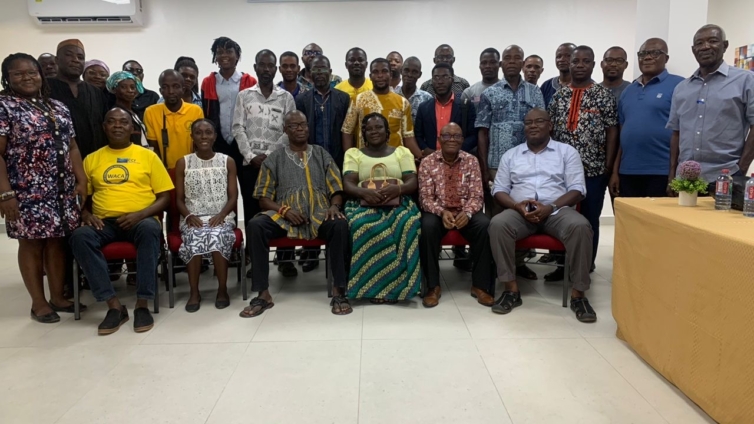
Stakeholders gathered in Anloga for a workshop on Community Resource Management Areas (CREMA) aimed at enhancing the sustainable use of the Akata Lagoon and other vital resources within the Ramsar site complex.
The event, organized by the Coastal Civil Society Organizations Forum (CCF) and the West Africa Coastal Areas Management Program (WACA), brought together representatives from the Fisheries Commission, Forestry Commission, local authorities, and community leaders.
Addressing the participants, Mr. William Agbenu, Volta Regional Director of the Fisheries Commission, emphasized the need for a unified approach to managing the area's fishery resources.
In his remarks, Mr. Agbenu acknowledged CREMA’s role in empowering local resource users to sustainably manage natural assets.
He stressed the importance of integrating the Fisheries Commission into CREMA’s framework, particularly in areas like the Akata Lagoon, where fish remains the primary resource.
“The Akata Lagoon is a critical economic and social asset for the communities surrounding it. Its management must involve collaborative efforts between the Forestry and Fisheries Commissions to ensure that the resource users—the fishers—benefit while maintaining sustainability,” he said.
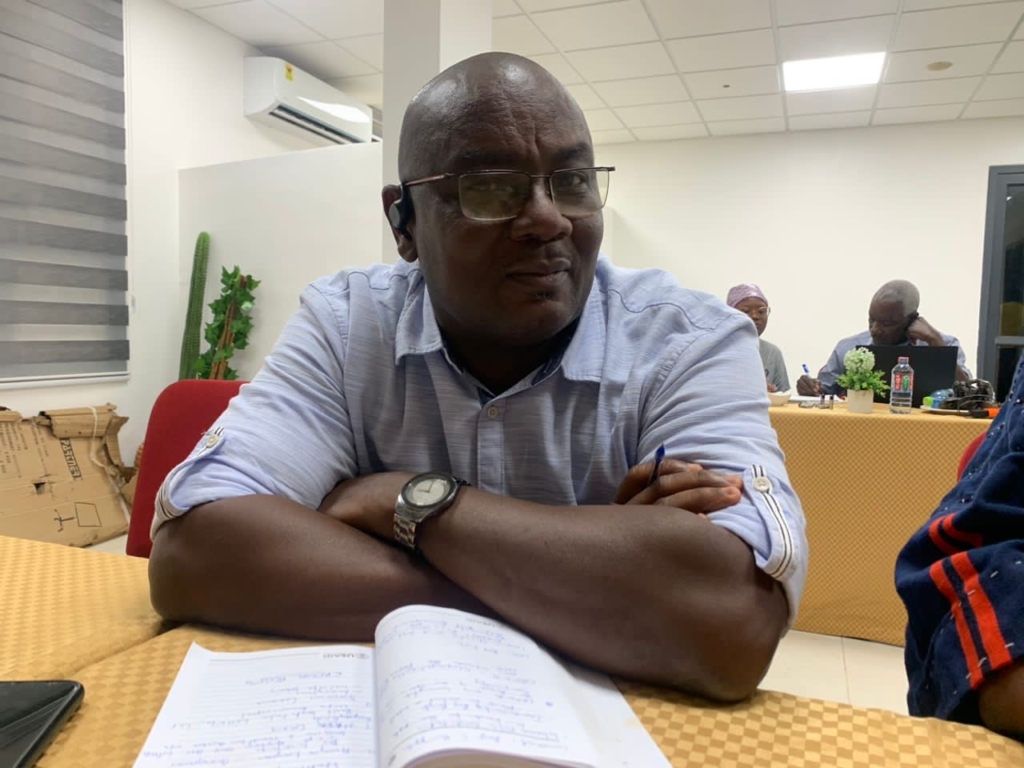
Mr. Agbenu revealed that steps are already underway to harmonize fisheries management across the three districts—Ketu South, Keta, and Anloga—that border the lagoon.
This includes drafting a common bylaw to regulate fishing activities.
“We’ve initiated discussions with these municipal assemblies, which have agricultural subcommittees responsible for fisheries bylaws. A unified bylaw will reduce open-access fishing and conflicts among fishers from different districts. We’re also far advanced in registering all fishers within this resource, assigning them special registration numbers to operate within a standardized framework,” he stated.
He added that the unified bylaw would also enforce synchronized fishing holidays across the districts, preventing conflicts over fishing grounds and allowing the ecosystem to regenerate.
The unified bylaw will also address the use of illegal fishing gear, a prevalent issue that undermines sustainability efforts.
“With a common bylaw, the use of illegal fishing gear can be effectively controlled. This is crucial because the fishers are targeting the same resource within the same ecosystem,” Mr. Agbenu explained.
Economic and Social Relevance of the Lagoon
The Akata Lagoon, designated as a Ramsar site, holds immense economic and social value for the surrounding communities.
Mr. Agbenu noted that mismanagement of this resource could devastate the livelihoods of thousands of inhabitants across the five districts bordering the lagoon.
“When this water body is not handled well, the economic activities of these communities will collapse. CREMA stands on three legs: natural resource conservation, economic development, and social well-being. A unified bylaw will ensure the right management practices are adopted to sustain this delicate ecosystem,” he said.
The workshop aligns with the objectives of the WACA Resilience Investment Project (ReSIP 2), implemented in Ghana in August 2024.
This initiative seeks to mitigate the climate vulnerabilities and human pressures threatening coastal ecosystems, with CREMA serving as a model for community-led conservation.
Collaborative Action for a Sustainable Future
Mr. Agbenu concluded by urging all stakeholders to prioritize collaboration, emphasizing the need to consult community members—the primary beneficiaries—before implementing any conservation measures.
“The Fisheries Commission, Forestry Commission, and local communities must work hand in hand to manage this resource delicately. By doing so, we can secure the economic and social future of the thousands who depend on it,” he said.
The workshop reinforced the importance of stakeholder engagement and collaborative governance in managing Ghana’s coastal resources.
Participants expressed optimism that the unified approach to fisheries management would set a precedent for sustainable resource use across the region.
This article captures the significance of the workshop and Mr. Agbenu's recommendations while tying it to broader regional initiatives like WACA's ReSIP 2. Let me know if you’d like additional details or further edits!
Latest Stories
-
Labour Minister wants SOEs to help shape new public pay system
30 minutes -
IPEC will ensure Equity and Sustainability in SOEs Compensation
59 minutes -
White House bars CNN from travelling with Trump on Air Force One
2 hours -
Fennis wins second consecutive ITF J60 title in Accra
2 hours -
Spain beat England in thriller after Kane penalty miss
2 hours -
GPL 2026/27: Zaidan’s late goal ends Hearts of Oak unbeaten start
2 hours -
CEOs demand clarity on pay harmonisation, board autonomy as FWSC engages SOEs bosses over IPEC transition
2 hours -
2026 Women’s Super Cup: FC Savannah, Epiphany Warriors maintain top spots ahead of final group games
2 hours -
‘Is EOCO responsible for determining lawyers’ fees?’ – Baffour Awuah
2 hours -
David Beckles claims second J60 Accra title
3 hours -
No France cocaine suspect linked to Mahama, Vice President’s security details – NACOC
3 hours -
Anwelle Foundation launched in Jirapa to tackle poverty, youth unemployment
3 hours -
Joy Sports Editor Fentuo Tahiru Fentuo to moderate inaugural Music Meets Football Summit in Zambia
3 hours -
Court premises too volatile for Baffour Awuah’s attempted arrest by EOCO – Inusah Fuseini
3 hours -
Drug bust: Under no circumstances will NACOC leadership be compromised – Twum-Barimah
3 hours