

Audio By Carbonatix
Young climate reporter Fasila Alhassan is calling for a nationwide shift away from single-use plastics, warning that Ghana’s growing dependence on disposable packaging is contributing to flooding and environmental degradation.
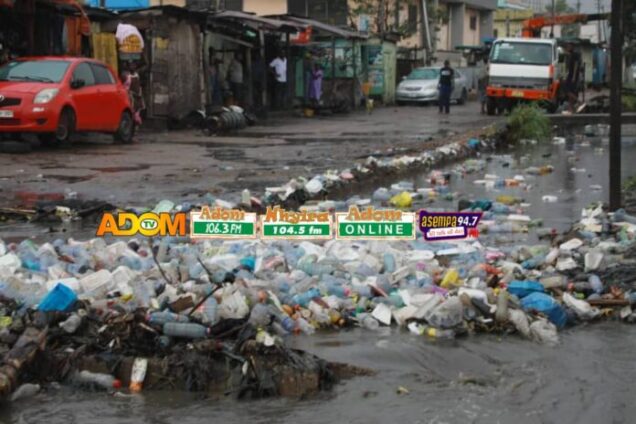
Speaking during the second edition of the Loud and Green XSpaces hosted on the JoyNews X platform, she said plastic waste has become a major feature of floodwaters in many communities, particularly in areas that experience recurring floods.
Drawing from her experience in the flood-prone community of Aboabo, Fasila said the extent of plastic pollution becomes most visible whenever heavy rains occur.
“Whenever it rains in Aboabo and the place floods, if you look at the surface of the water, plastics are the majority of what you find,” she said.
According to her, the persistent presence of plastic waste in floodwaters points to a broader challenge involving consumption habits and poor waste disposal practices.
She noted that while plastic products have become deeply integrated into everyday life, the continued dependence on items designed for single use is placing increasing pressure on the environment.
“Plastics have become part of our lives, but we should move away from plastics that are used only once and encourage reusable bottles,” she said.
Her comments come amid growing concerns among environmental advocates about the impact of plastic pollution on drainage systems, waterways and urban flooding.
Participants at the discussion highlighted the role of improperly disposed plastic waste in blocking drains and contributing to the severity of floods during heavy rainfall.
The conversation formed part of broader discussions on Ghana’s plastic pollution crisis under the theme: “Pure Water, Styrofoam, Plastic Soil: Addressing Ghana’s Growing Plastic Pollution.”
Environmental advocates at the forum stressed that tackling the problem will require both behavioural change and stronger enforcement of policies aimed at reducing plastic waste and improving waste management systems.
For Fasila, however, change begins with individual choices.
She believes reducing reliance on sachet water and other disposable plastic products, while embracing reusable alternatives, can play an important role in protecting communities from the recurring effects of floods linked to clogged drainage systems.
Her call adds to growing demands for practical solutions to Ghana’s plastic waste challenge as the country continues to grapple with seasonal flooding and its social, economic and environmental consequences.
Latest Stories
-
Tiptoe Lane’s tech takeover: The story behind Ghana’s booming informal phone market
44 minutes -
Abanga vows to use social media to counter NDC messaging ahead of 2028 elections
46 minutes -
Okai Mintah seeks Sabah Zita Benson’s support for NDC National Youth Organiser bid
60 minutes -
Okai Mintah vows to strengthen NDC campaign machinery ahead of 2028
1 hour -
Mother of four and Jasikan teacher among new Telecel M’ahitti Promo winners
1 hour -
International Youth Shakers Conclave 2026 set to bring global young leaders to London
1 hour -
Gov’t is committed to addressing teachers’ conditions of service, deprived-area allowance – Education Minister
1 hour -
GoldBod’s structure encouraging galamsey – Afenyo-Markin
1 hour -
Tullow starts selling Jubilee, TEN crude to Ghanaian refineries
1 hour -
Local Government Service authorises rationalisation, redistribution of staff
1 hour -
PURC assures consumers of working to ensure quality services in Northern Region
1 hour -
Ghana develops US$4.28bn water financing framework
2 hours -
Christian Council calls for protection of mission schools’ religious identity
2 hours -
Mahama holds discussions with India’s External Affairs Minister
2 hours -
Even when you cough, they come after you — Abanga accuses Mahama govt of criminalising free speech
2 hours