

Audio By Carbonatix
An initiative has been launched in Ghana to protect the coastline from the damaging effects of abandoned, plastic fishing nets.
The scheme, which also provides incomes to hard-pressed coastal communities, is depicted in a new film from the Environmental Justice Foundation (EJF).
Ghana’s marine fisheries employ over 135,000 fishers directly and about 2.6 million people along the value chain rely on it for their livelihood.
Yet the sector is in sharp decline with incomes of small-scale fishers declining by 40% between 2001 and 2011.
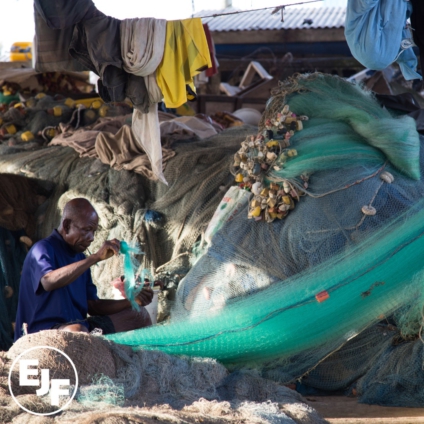
Nearly 200 fishing communities, which are severely impacted by illegal fishing and overfishing, are having their livelihoods threatened by destroyed, abandoned or lost fishing gear – the deadliest form of plastic pollution, which forms floating death traps entangling and choking marine wildlife.
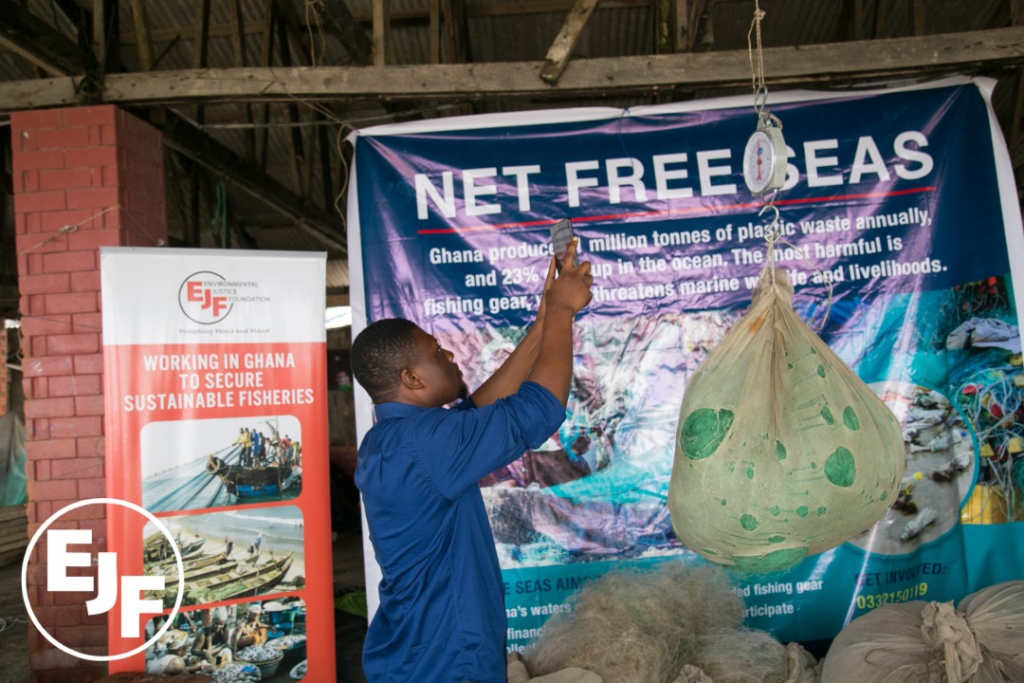
Environmental Justice Foundation’s “Net Free Seas” project collects and recycles discarded fishing nets while providing tangible financial incentives to coastal communities who participate in the project, said the NGO.

It is already gathering pace. 600 fishers have been trained to participate and 4.6 tons of nets have been collected. These are being transformed into durable, sustainable products, such as spectacles.
Now, EJF is releasing a new film about Net Free Seas, titled “Saving Ghana’s waters from ghost gears”.
The film raises awareness about the harmful effects of lost or discarded fishing gear, and other forms of plastic pollution and offers solutions.
It shows how local fishers collect discarded monofilament nets and prevent them from ending up in the sea for submission under the project while benefiting financially, EJF reported.
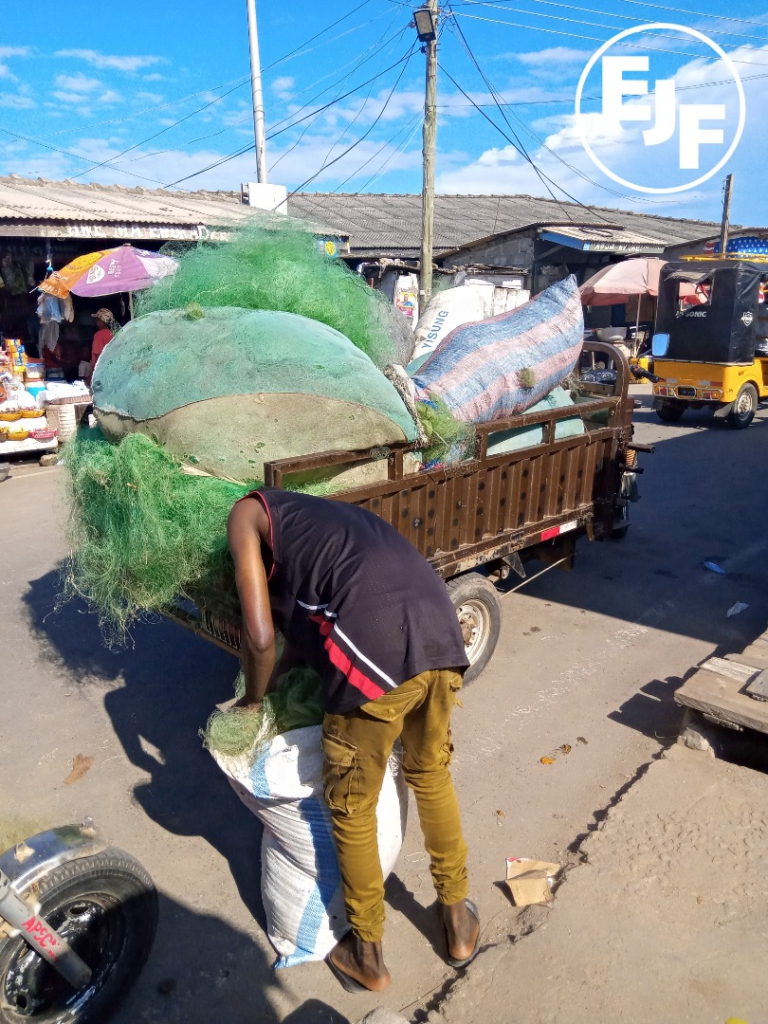
The Net Free Seas project continues to educate fishers and the general public on the effects of destroyed or abandoned fishing gear on Ghana’s fisheries, as well as how to achieve behavioural change to end the inappropriate disposal of destroyed or waste nets.
This will reduce the extent to which they enter vulnerable and important marine ecosystems, safeguarding the ocean ecosystems which support so many Ghanaians.
Steve Trent, CEO and founder of the Environmental Justice Foundation, said:
“A new, sustainable approach to the disposal of discarded nets and plastic waste is critical for a healthy, clean ocean. Increased public awareness of the negative impacts of discarded nets on marine ecosystems and animals is crucial to the fight against plastic pollution.
"This new film shows how fishing communities can work together to protect ocean ecosystems and make sustainable profits at the same time, through Net Free Seas.”
The film also reveals that four sea turtles caught in fishing nets were safely released. EJF says it will continue to work to protect ocean wildlife and empower local communities.
Latest Stories
-
Power restoration fault suspected in Kumasi Central Market fire
1 hour -
The 7-foot giant of Ngleshie Amanfro: Seven-foot Ghanaian Ephraim Saawa dreams of joining the national basketball team
2 hours -
Government promises support for Kumasi Central Market fire victims
2 hours -
Vibes The Movie: Big Ghun’s Ghanaian film earns five nominations at 2026 REFFA
3 hours -
MamaCare CEO warns unresolved conflicts among health workers could undermine maternal and neonatal care
3 hours -
Health professionals urged to translate medical knowledge into practice to save mothers
3 hours -
Conflicts among care providers linked to maternal, neonatal deaths – Expert
5 hours -
GIS marks 10th TIME conference, champions improved teaching practices
5 hours -
BRICS Or Balance? What Ghana’s bid really means
5 hours -
GPRTU wants full TRAFFITECH-GH implementation to start in 2027
6 hours -
Mahama announces plans to import electric wheelchairs for PWDs
6 hours -
KGL U17 Colts 2026: Western beat Prempeh Elite Academy to set up final final with Greater Accra Region
6 hours -
Late Solanke strike salvages 10-man Spurs draw at Man United
6 hours -
Gender Ministry to monitor welfare of Nana Akua Addo’s children amid domestic violence case
6 hours -
Benedict Okyere Yeboah: Ghana’s football problem goes beyond sacking a coach
6 hours