

Audio By Carbonatix
A public health epidemiologist, Dr. Nii Hanson-Nortey, has stated the vital role of journalists in tackling misinformation and disinformation during health crises.
In the wake of recurrent global health crises, he said the media had evolved into an effective tool for shaping public perceptions and behaviours, sometimes with life-changing implications.
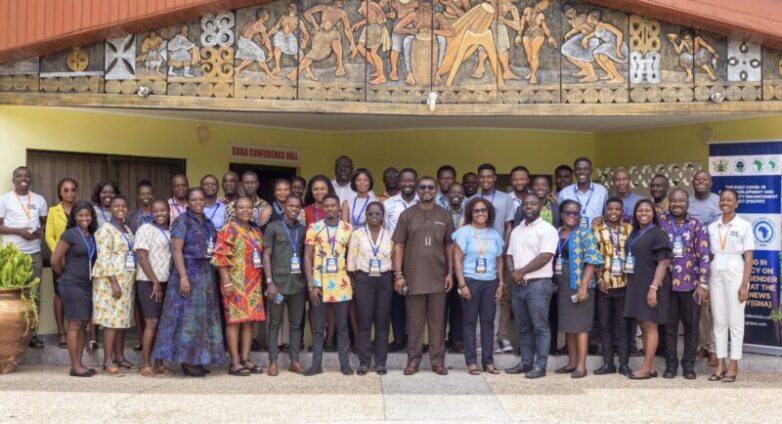
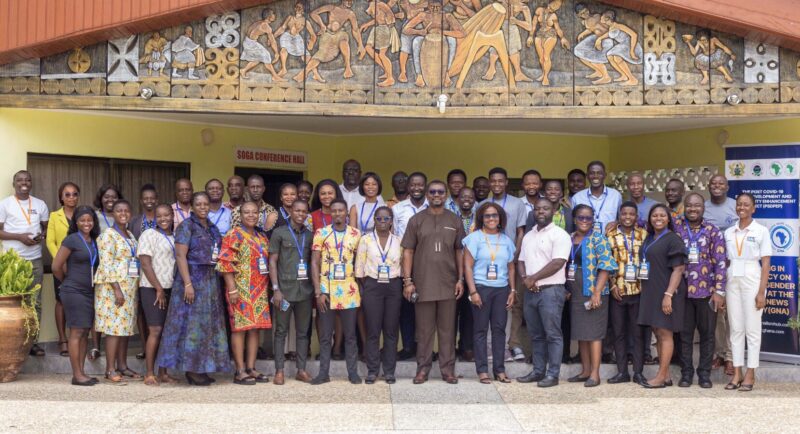
Dr. Hanson-Nortey was speaking on Health Communication and Infectious Diseases during a virtual presentation, as part of a four-day skills development training for journalists and editors of the Ghana News Agency (GNA) at Sogakope, Volta Region.
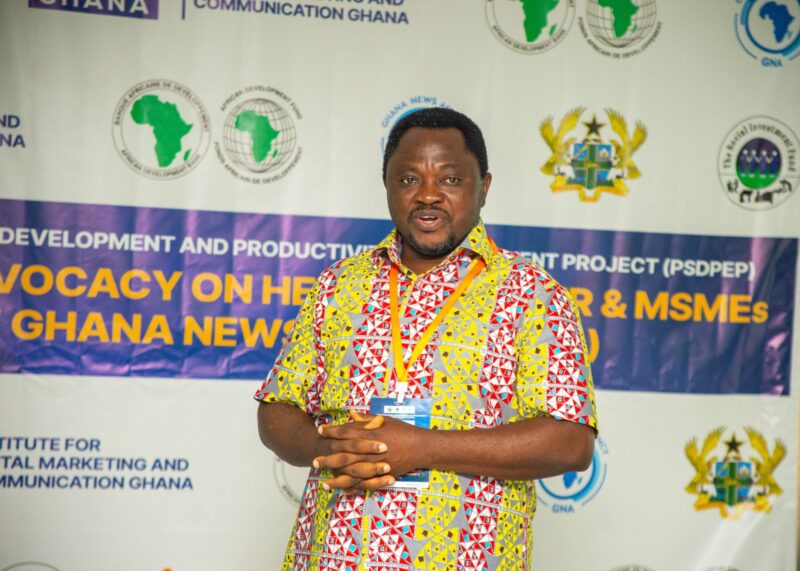
The training was facilitated by the Institute for Digital Marketing and Communication Ghana (IDMC-Ghana) and formed part of the Post-COVID-19 Skills Development and Productivity Enhancement Project (PSDPEP), being sponsored by the African Development Bank.
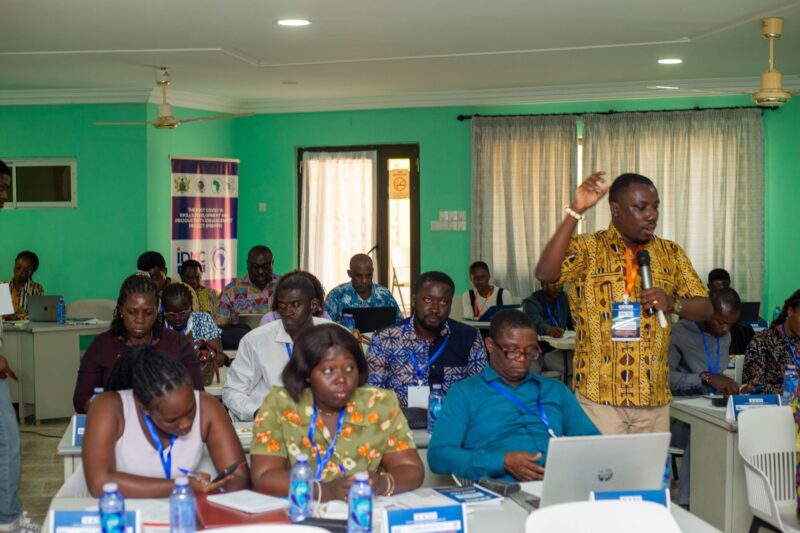
It would promote effective communication on issues of health, infectious disease, Micro, Small and Medium Enterprises, gender, digital storytelling and climate change.
Dr. Hanson-Nortey stated that the propagation of disinformation during infectious disease outbreaks not only aggravated public health issues, but also caused widespread panic.
He contended that, while the media could provide essential information, it could also serve as a conduit for misinformation.
According to Dr. Hanson-Nortey, disease outbreaks are more than just a public health problem; they are also “information crises.”
He said the stakes were now higher since epidemics could spread both physically and digitally, with print, posts, and videos frequently going ‘viral’ faster than the infection itself.
Dr Hanson-Nortey said the media had the onus to disseminate accurate, clear, and responsible information.
“Journalists have at times both built and undermined public trust, serving as both a constructive source of scientific facts and as a destructive source of rumour that tends to amplify panic,” he said.
Dr Hanson-Nortey observed that, given the potentially damaging implications of poor epidemic reporting, “journalism has a responsibility to contribute to enhanced public knowledge during times of pervasive fear.”
He noted that disinformation might have an impact not only on the general public, but also on health professionals, policymakers, and doctors, whose actions were sometimes influenced by the wave of popular opinion generated by media coverage.
He added that clear professional guidelines based on journalistic and healthcare ethics, as well as educational resources for reporters covering epidemics, were needed.
Mr. Charles Yao Mawusi, a consultant, urged journalists to use advocacy strategies to influence public opinion, create policy change, and address issues of inequality.
They must advocate for truth, public well-being, and social justice rather than simply reporting the news.
Latest Stories
-
Mfantsipim must cultivate more business leaders, entrepreneurs – Nana Awuah
11 seconds -
MOBA must reduce reliance on donations to protect Mfantsipim’s future – Patrick Kittoe
1 minute -
GCB extends Customer Service Week into month-long customer engagement
2 minutes -
Africa risks widening inequality if it fails to build AI expertise – Kweku Awotwi
3 minutes -
Women’s Voices Matter Movement petitions Gender Ministry over women’s rights and development
4 minutes -
Huel ad banned for suggesting its products could replace all meals
15 minutes -
Global InfoAnalytics poll puts John Boadu, Justin Kodua and Titus Glover ahead in NPP executive race
2 hours -
Ghana to establish skills development university with $50m from German support package
2 hours -
Baffour Awuah under EOCO investigation over alleged financial loss and money laundering – Deputy AG
2 hours -
How healthy is Ghana’s health sector?
2 hours -
HACSA Tech4Girls graduates 80 young women with digital and technology skills
2 hours -
Arrest of Manhyia South MP should involve Parliament, not police station – Kpebu
3 hours -
Two Nigerians sentenced to 189 months in US prison over $2.4m cyber fraud
3 hours -
Cristiano Ronaldo leaves Portugal’s training camp after rift with Head Coach
3 hours -
Ghana Energy Awards opens nominations for landmark 10th anniversary edition
3 hours