

Audio By Carbonatix
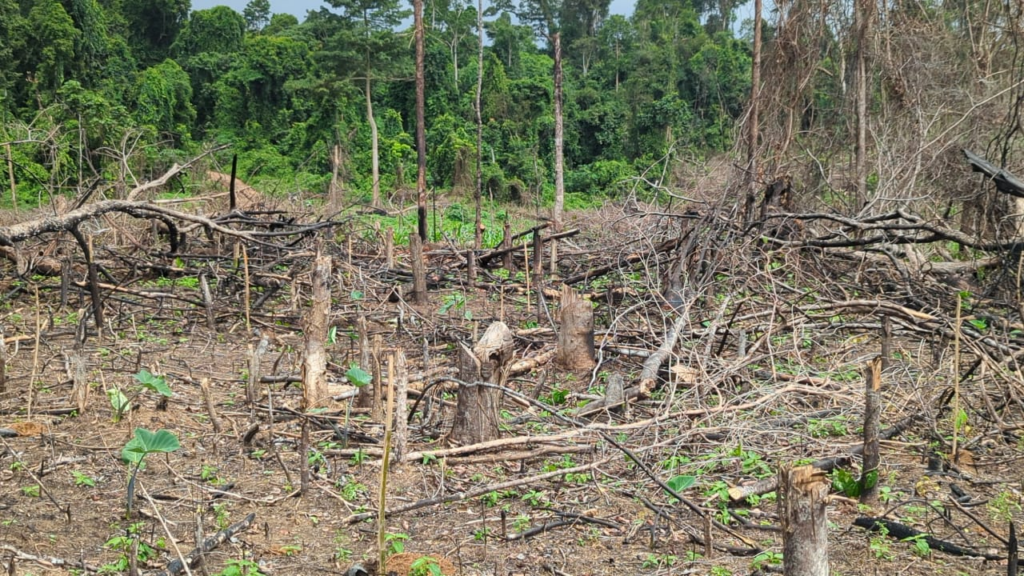
14,000 hectares of degraded Ghanaian forests are to be restored under a new programme funded by the European Union.
The initiative- Ghana Forest Restoration Grant Scheme- is building the capacity of 20,000 farmers and rural people across Ghana, with a strong focus on empowering women and youth.
The project seeks to support the government’s “Tree for Life” initiative being implemented by the Ministry of Lands and Natural Resources, in partnership with the Forestry Commission.
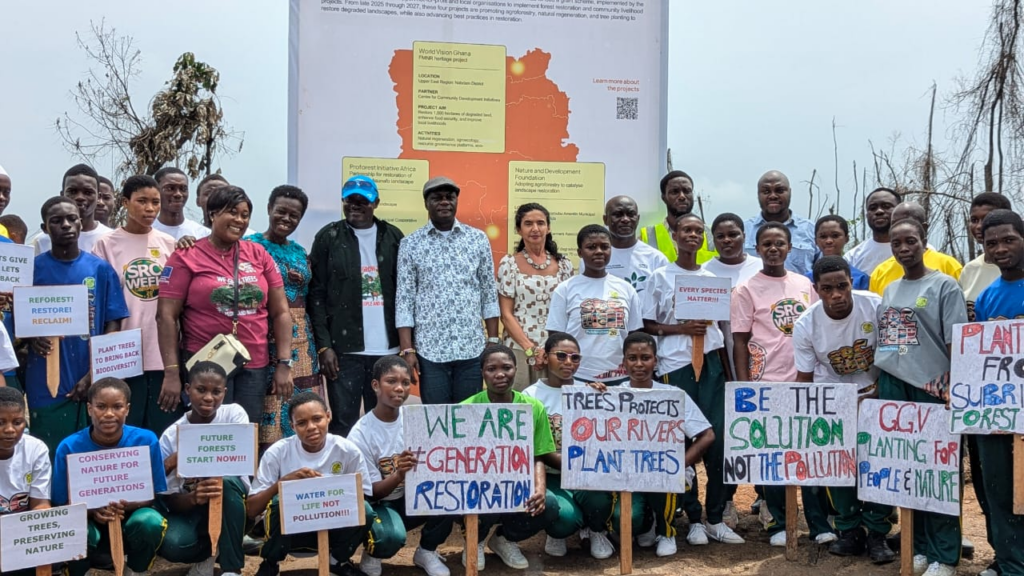
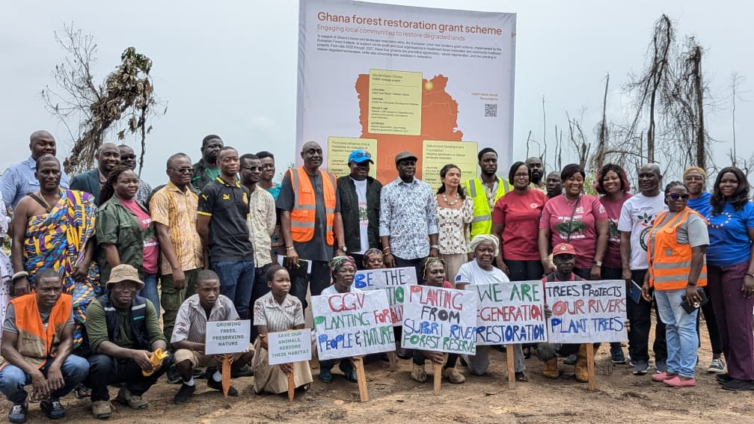
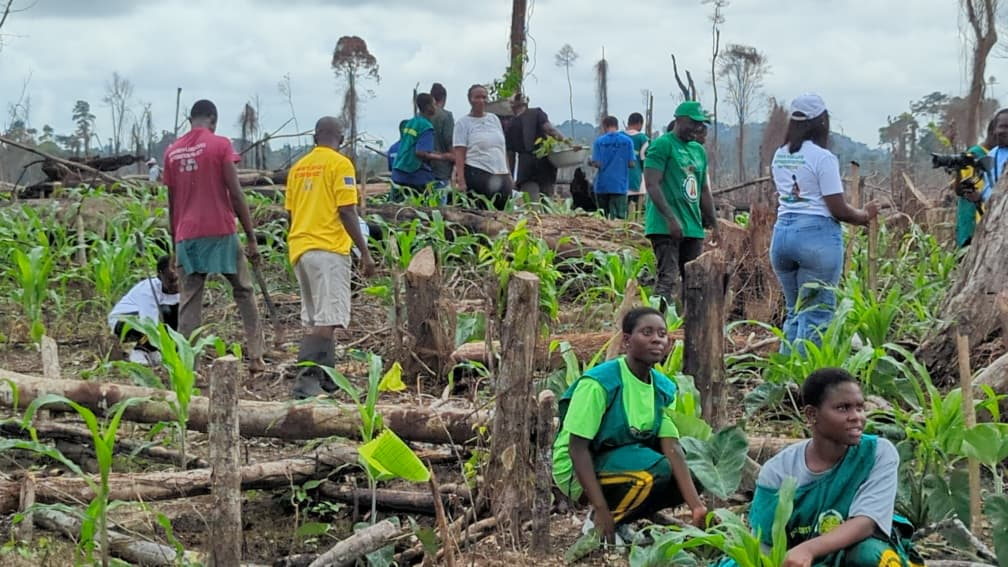
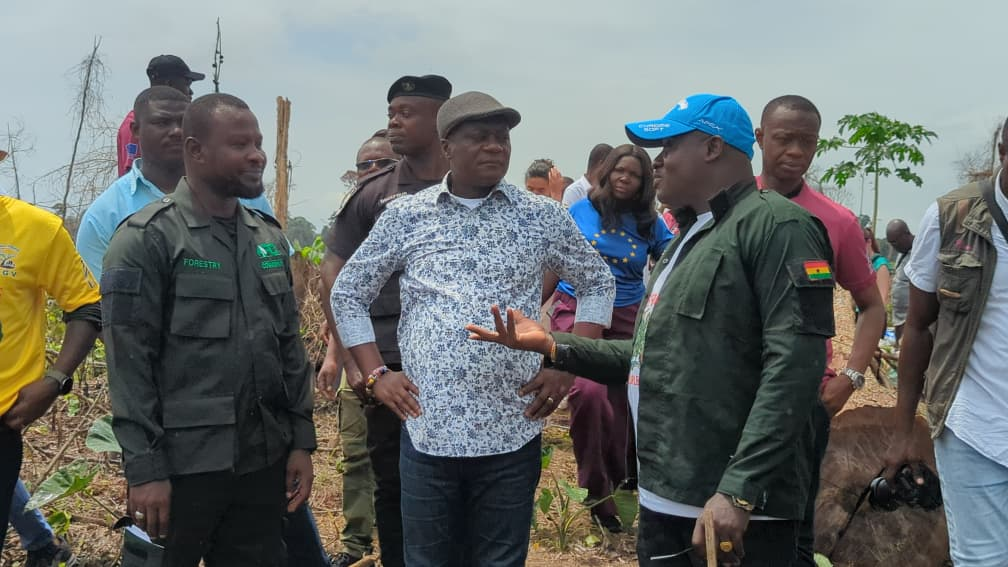
The EU has hosted a high-level progress event for the Scheme at the Subri River Forest Reserve, one of the areas targeted under the programme.
The event showcased significant early gains in the country’s flagship restoration initiative, reaffirming Ghana’s commitment to recovering degraded forest landscapes while improving rural livelihoods. It brought together government officials, traditional authorities, local community members, environmental partners, and participating grant beneficiaries.
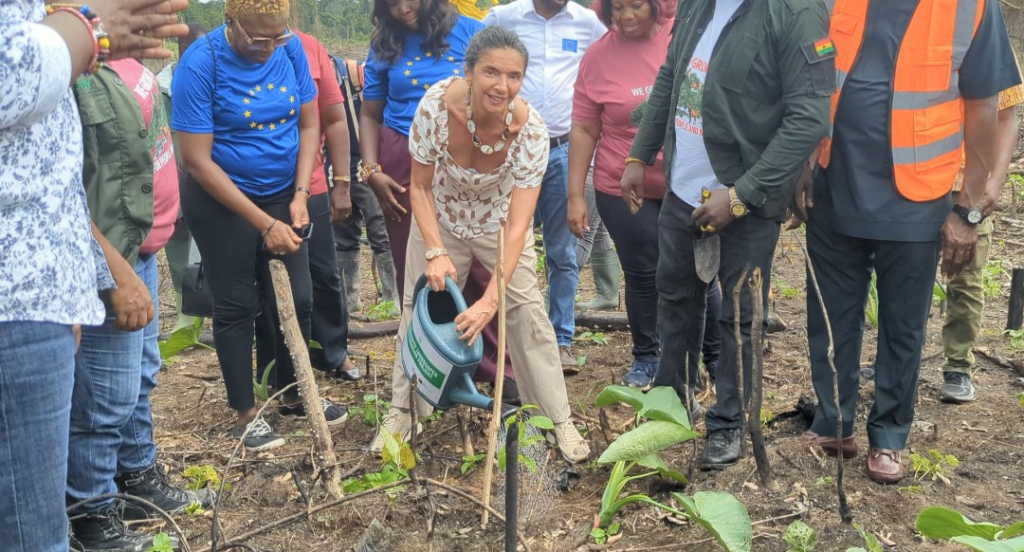
Taking place during the “Tree for Life” initiative, the event underscored a national moment when Ghanaians across all 16 regions unite to honour the nation’s natural heritage and renew their pledge to sustainable land management.
The month-long observance, which builds on the success of the annual Green Ghana Day, focuses on sustained tree survival, community ownership, and long-term ecological restoration.
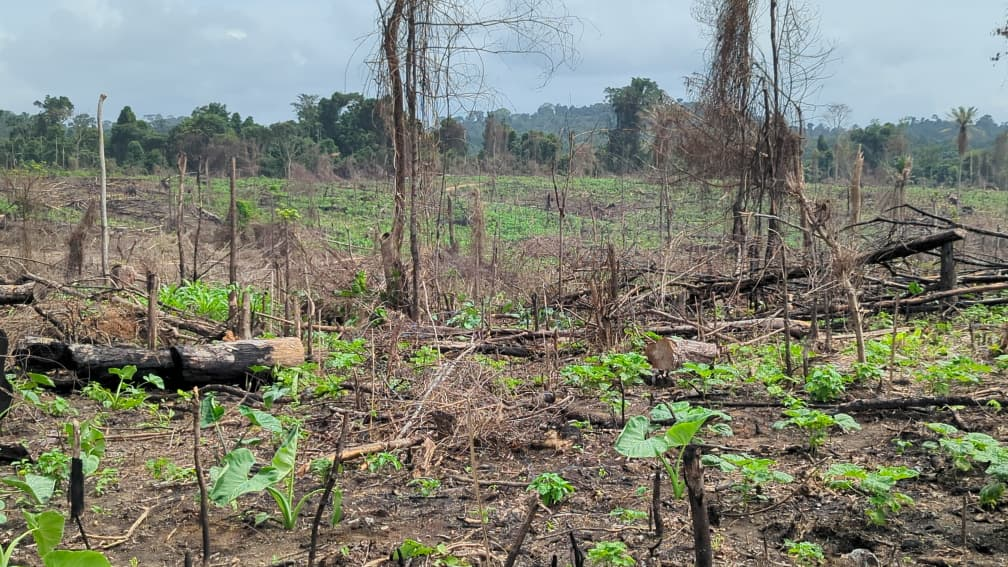
The Ghana Forest Restoration Grant Scheme, funded by the European Union and implemented by the European Forest Institute (EFI) through the EU Sustainable Forest and Cocoa Programme, is designed to work closely with communities, building on local knowledge and participation.
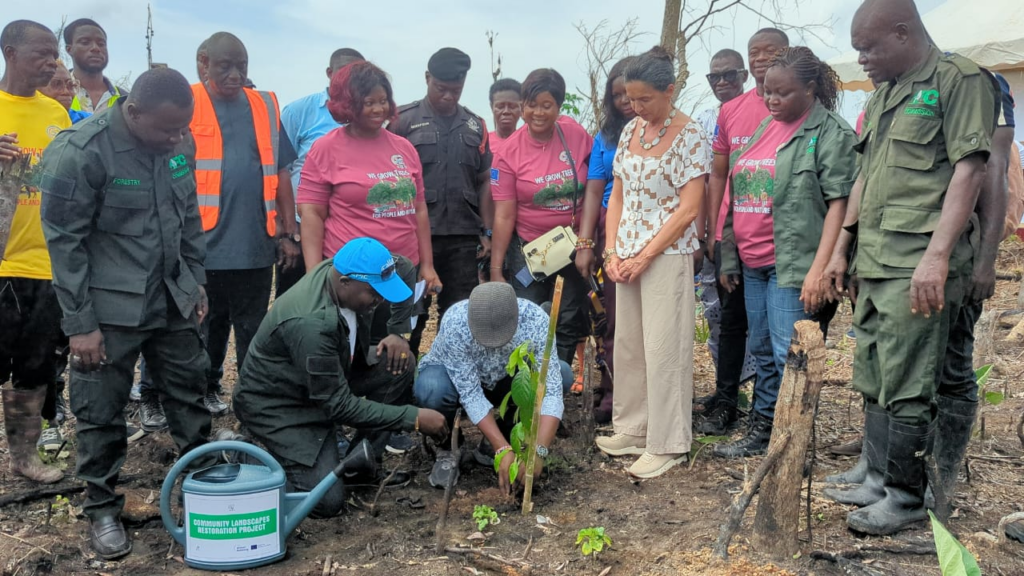
The project aims to restore more than 14,000 hectares of degraded land across the High Forest and Savanna ecological zones through a combination of community-driven agroforestry, natural regeneration and tree planting.
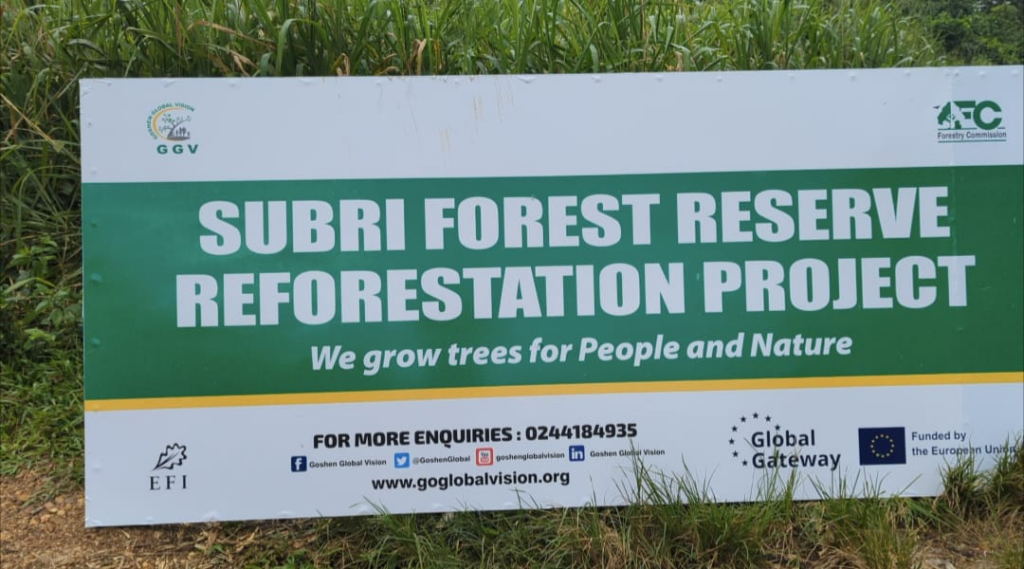
The project are being led by Goshen Global Vision, Nature & Development Foundation, Proforest, and World Vision Ghana.
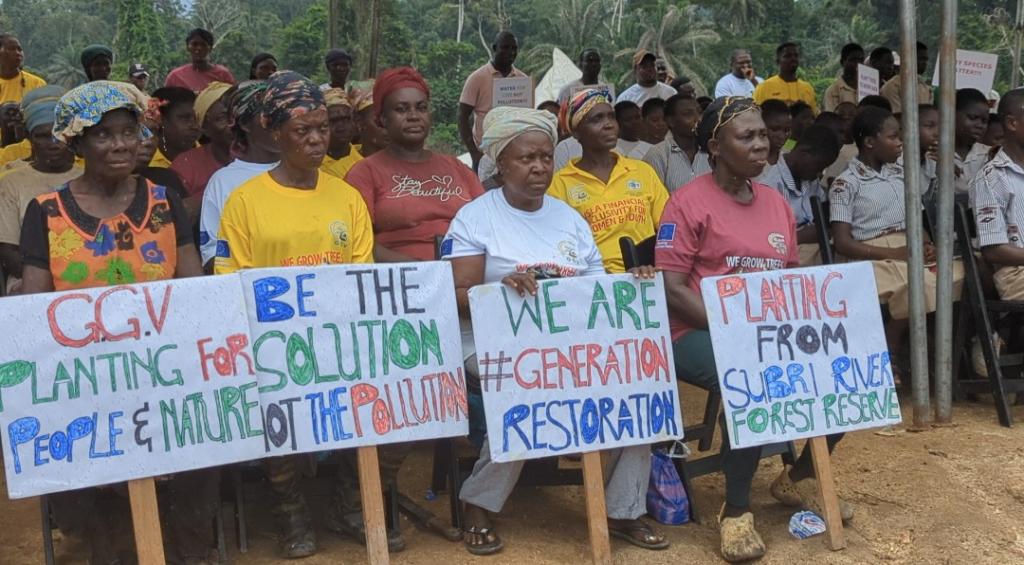
Beyond forest restoration, the projects are integrating complementary livelihood activities such as beekeeping, seedling nurseries and community finance initiatives, to further support incomes and strengthen local economies.
Head of Cooperation at the European Union in Ghana, Silvia Severi, commented, “The EU support for these projects is part of our broader EU Sustainable Forest and Cocoa Programme, a €6 million (GHs 80 million) initiative to promote deforestation-free cocoa production, sustainable land use, and climate resilience.
“The European Union is proud to stand alongside Ghana in this effort, not just as a partner, but as a firm believer in the power of community-led restoration to transform landscapes and lives.” She added.
The Western Regional Minister Joseph Nelson noted, “These projects are not only restoring landscapes, but they are also supporting communities to build sustainable futures. By creating new livelihood opportunities and strengthening local capacities, this will ensure that restoration efforts deliver lasting benefits on the ground.”
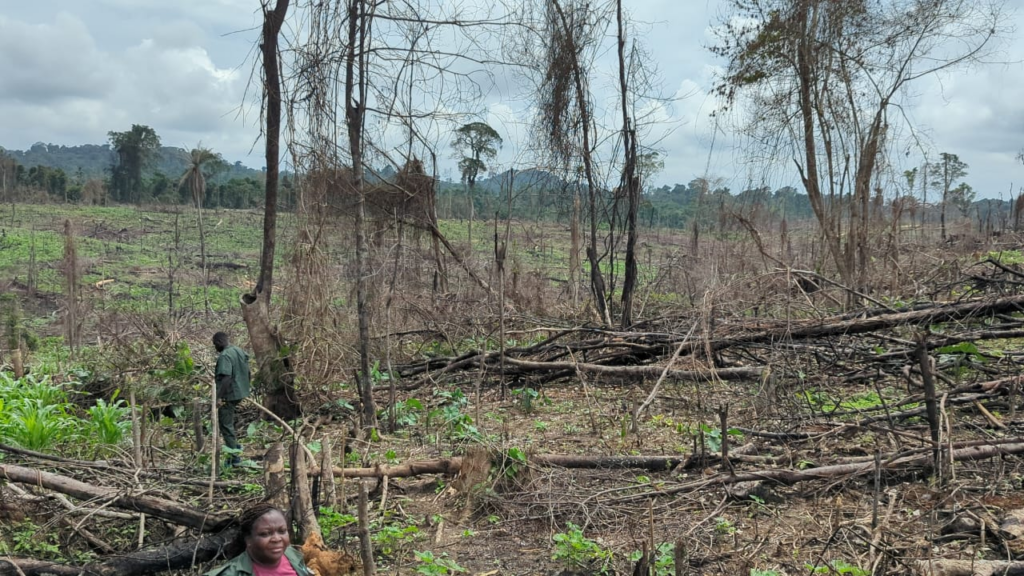
The Executive Director of Goshen Global Vision, Mary Perpetua Kwakuyi, said: “These projects are proof that sustainable, resilient forests can only be built through collective action, bringing together government, civil society and local communities united by this common goal.”
The participants reaffirmed the importance of community-driven approaches in achieving national forest restoration ambitions while at the same time supporting economic development.
In support of Ghana’s efforts to restore degraded landscapes, promote sustainable land use, and strengthen local livelihoods, the European Union has funded a grant scheme, implemented by the European Forest Institute under the EU Sustainable Forest and Cocoa Programme, to support not-for-profit and local organisations to implement restoration projects in Ghana’s High Forest and Savanna ecological zones.
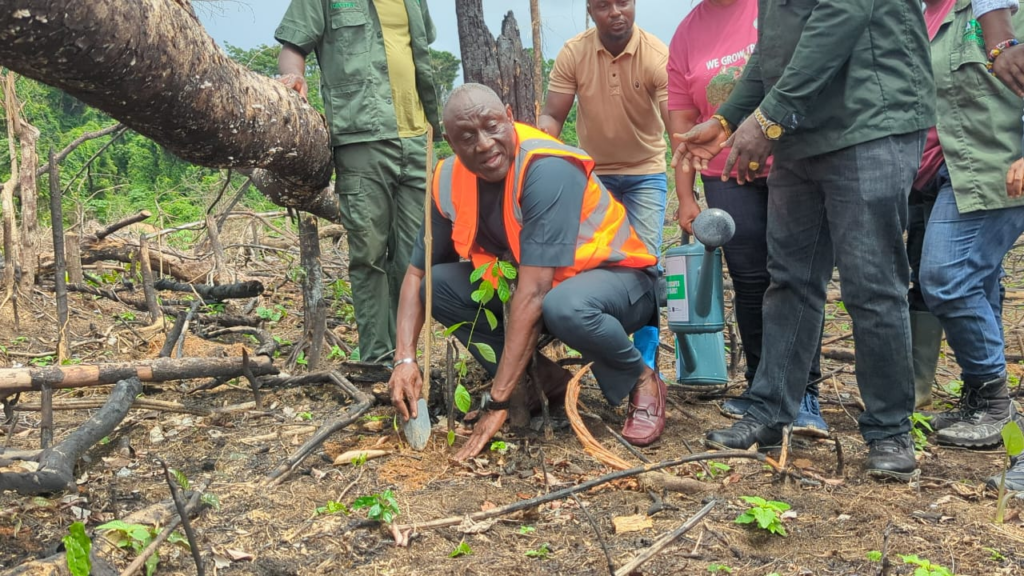
From the end of 2025 through 2027, four projects will promote agroforestry, natural regeneration, and tree planting to restore degraded landscapes, while also advancing best practices in restoration.
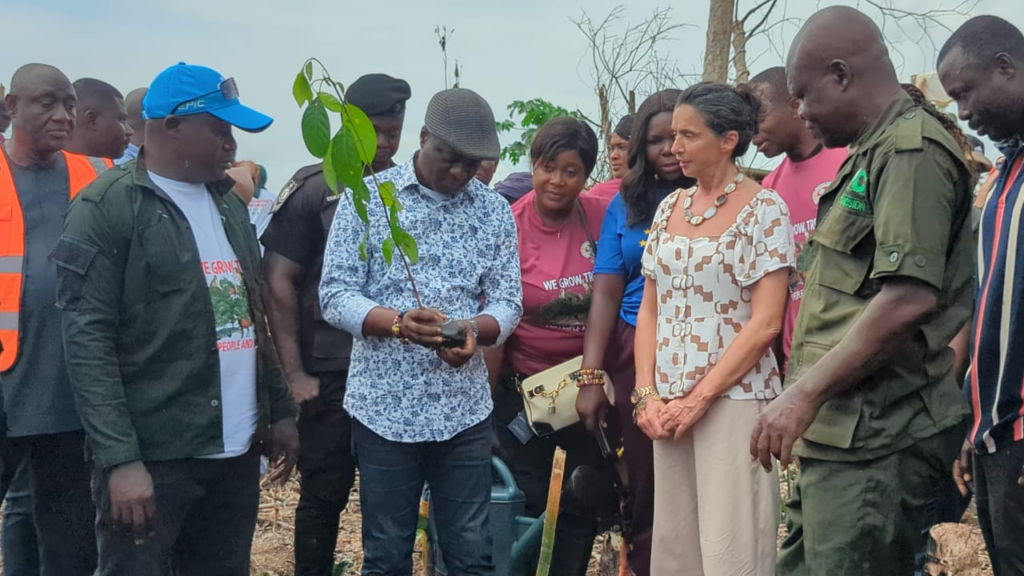
The four projects selected to receive the grants are being led by Proforest, World Vision, Nature and Development Foundation, and Goshen Global Vision. Each NGO is working with a local community partner to deliver the project activities.
Latest Stories
-
PAC steps down 2 special audit reports into Ghana’s US Embassy, 13th All African Games
5 minutes -
Yellow Fever outbreak kills 7 in Sissala East
11 minutes -
Techiman-Krobo Nursing Training principal to remain at post despite calls for her removal
15 minutes -
Ghana cautions citizens over fraudulent jobs luring them to Zambia for cybercrime
17 minutes -
ECG network fault leaves several Lower Manya communities without power
20 minutes -
Banda targets tourism boom with new facilities
22 minutes -
Gender Minister urges dialogue as teachers’ strike threatens School Feeding Programme
30 minutes -
Diminutive SHS 1 student in viral video is 16, not underage – Adanwomase SHS clarifies
31 minutes -
‘He who pays the piper calls the tune’ – Baah-Nuakoh hits back at proposed GFA dissolution
41 minutes -
Kotoko, Hearts afraid to speak up because of relegation – Alhaji Grunsah
41 minutes -
When the street becomes the opposition: Africa’s New Democratic reality
45 minutes -
CPP warns money is turning Ghana’s politics into an ‘auction’
52 minutes -
Sparqlyn wins three big honours at 2026 Golden Stars Awards
56 minutes -
BoG to tighten banks’ credit risk controls as private-sector lending surges 35.5%
59 minutes -
‘Vibes The Movie’ lands on Amazon Prime Video in US, UK
60 minutes