


Audio By Carbonatix
A pre-forum survey conducted by JoyNews ahead of its Volta Regional edition of the Democracy Is Not For Sale Forum has revealed growing concerns among voters about the continued presence of vote buying and illicit political financing in Ghana’s electoral process.
The survey, conducted ahead of the forum scheduled for Ho on Friday, July 31, found that many voters in the region are familiar with the practice, with some respondents saying they have witnessed politicians or their representatives offering money and other incentives to influence electoral decisions.
The Democracy Is Not For Sale Forum, organised by the JoyNews Impact Makers Foundation, seeks to bring citizens, political actors and stakeholders together to discuss the impact of illicit political financing and explore ways to safeguard Ghana’s democratic process.
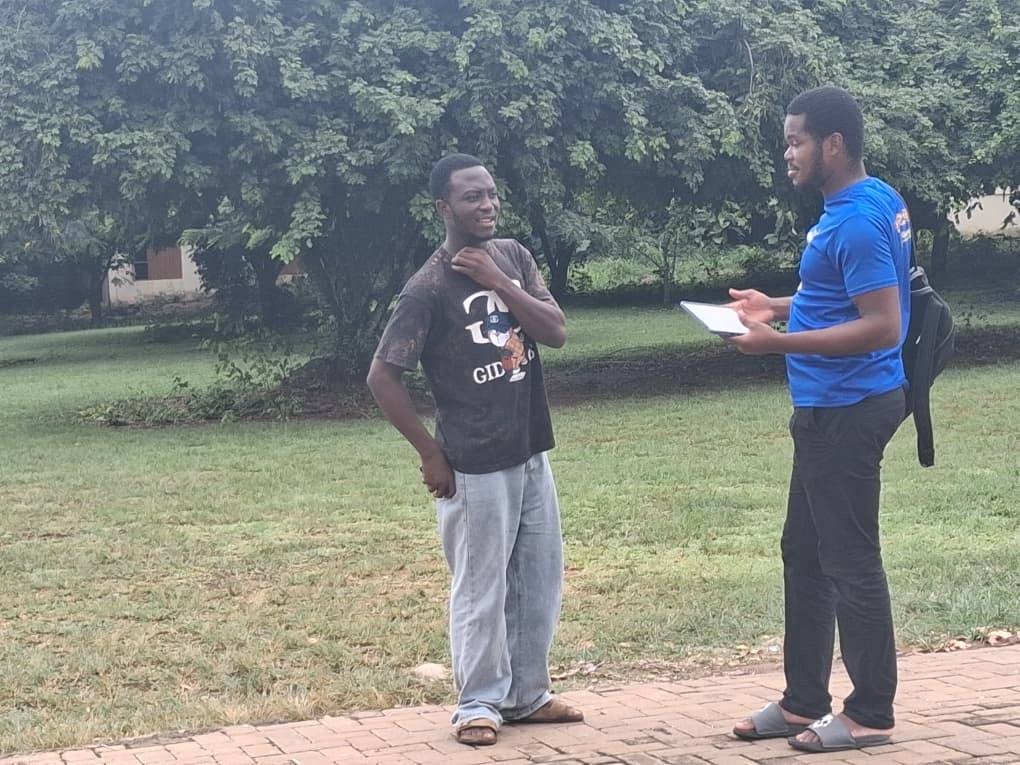
A JoyNews research team that arrived in Ho on Monday, July 27, engaged more than 100 voters across different age groups and socio-economic backgrounds to understand public perceptions of vote buying.
The team interacted with traders at the Ho Central Market, transport operators at lorry stations, health workers at the Ho Teaching Hospital, students and staff of the University of Health and Allied Sciences and Ho Technical University, as well as members of religious communities.
The engagements showed that awareness of vote buying is widespread among respondents.
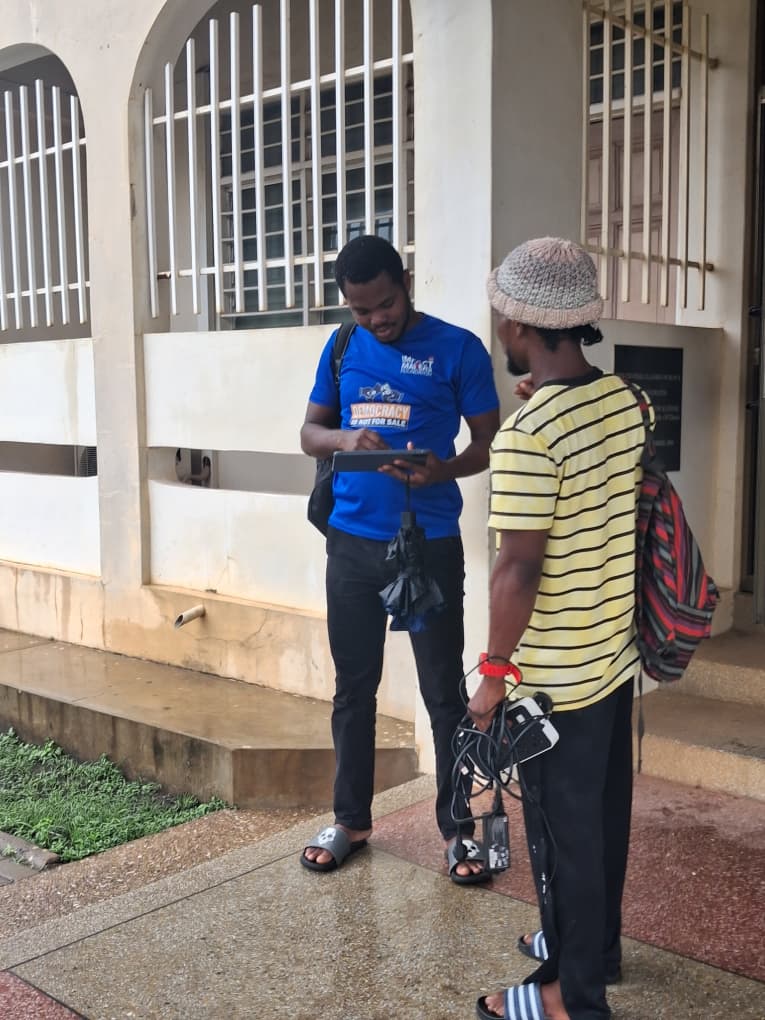
While some participants said they had only heard about the practice, others said they had personally witnessed attempts by politicians or their agents to influence voters through financial inducements and other benefits during elections.
However, respondents expressed mixed views about whether the practice can be eliminated.
Some voters said vote buying has become deeply rooted in Ghana’s electoral system and expressed doubts about whether it can be completely stopped.
Others argued that stronger enforcement of existing laws, tougher sanctions and sustained civic education could significantly reduce the practice.
Several respondents called for consequences for both individuals who offer inducements and those who accept them, arguing that accountability is necessary to protect the credibility of elections.
The findings form part of preparations for the Volta Regional edition of the Democracy Is Not For Sale Forum, which will be held at the Conference Room of the Freedom Hotel in Ho.
The event is expected to bring together about 200 participants, including government representatives, political parties, civil society organisations, traditional leaders, academics, students, development partners and members of the public.
The discussions will focus on how illicit political financing affects democratic governance and the measures needed to promote transparency, accountability and citizen participation.
Governance and communication analyst Dr Harrison Kofi Belley, who is also a lecturer at Ho Technical University and Volta Regional Chairman of the Ghana Journalists Association, will speak on the impact of illicit political financing on democratic institutions.
Also joining the conversation virtually will be Dr Imurana Mohammed, Director of Programmes at the National Commission for Civic Education (NCCE), who will discuss the role of civic education and active citizenship in strengthening democracy.
Mama Atrato II, Queen Mother of Ho Dome, a retired senior police officer, human rights advocate and member of the National Peace Council, will provide perspectives on leadership, peacebuilding and democratic values.
Security officials from the Ho Regional Police Command will also participate in discussions on the role of law enforcement in protecting Ghana’s electoral system.
The forum begins at 4:00 p.m. and will be broadcast live on JoyNews and Joy FM, with audiences also able to follow proceedings across JoyNews’ digital platforms.
The findings from the survey highlight the urgency of the conversation, with many voters questioning how Ghana can build an electoral system where political leadership is determined by citizens’ choices rather than financial influence.
Latest Stories
-
Policy rate decision takes time to reflect in lower lending rates – BoG
7 minutes -
Western Regional Minister applauds Karpowership’s role in Ghana’s power sector
32 minutes -
Livestream: Road safety crises: Where are we getting it wrong?
34 minutes -
Enterprise Life celebrates 25 years of protecting families and building trust
42 minutes -
ICC London rules in favor of Ghana against Tullow over $400m tax charge
52 minutes -
We are disappointed in ICC’s ruling over our corporate income tax assessment in Ghana – Tullow Oil
1 hour -
Cost of building inflation for August 2026 increases to 4.6% – GSS
1 hour -
Today’s front pages: Wednesday, September 30, 2026
2 hours -
Bawumia highlights agricultural, compulsory insurance reforms in IBAG engagement
2 hours -
Ghana will secure Tullow tax revenues while protecting Jubilee, TEN investments – Ato Forson
2 hours -
Ghana wins $393m Tullow tax arbitration as tribunal upholds GRA assessment
2 hours -
Gender Minister assures women’s group of action on Affirmative Action, Development Bank
3 hours -
Over 2,000 teachers in Dormaa comply with strike – GNAT Secretary
3 hours -
Food Buffer Stock seeks stronger liquidity buffer despite record profit
3 hours -
LPG investments key to achieving 50% access target by 2030 – Energy Minister
3 hours