

Audio By Carbonatix
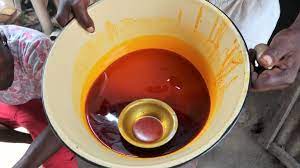
The Eastern Regional Food and Drugs Authority (FDA) has issued a strong warning against the sale of adulterated palm oil; asking consumers to be vigilant when buying the product.
The regulatory body took this firm stance after carrying out inspections in markets and meeting with the Palm Oil Sellers Association in Koforidua, citing potential health risks the product posed to consumers.
Ms Anita Owusu Kuffuor, Head of Eastern Regional FDA, who issued the caution, engaged market women from Koforidua's Central Market, Juaben Serwaah Market, and Agatha Market who normally sell palm oil.
The gathering was aimed at promoting hygienic trading practices for palm oil as well as novel methods to prevent adulteration of palm oil with Sudan (IV) dye and ensure that vendors are selling only safe and genuine products.
This move has been welcomed by many Ghanaians, who have expressed concern about the safety of the food products being sold in the markets.
Consumers rely on the quality and safety of the products they purchase, and the sale of adulterated palm oil can have negative health consequences.
Ms. Kuffour told marketers of palm oil that it was regrettable Sudan (IV) dye, a dangerous chemical that causes cancer, was still found in palm oil samples bought in New Juaben Municipality, attributing such malpractices to insensitivity and greed by market women.
She said the FDA was continuing with its rigorous campaign against the use of dangerous chemicals such as Sudan (IV) dye and that it has started arresting traders whose samples have been examined and failed the test.
She stated that the FDA and Police Service had already detained two market women in connection with Sudan dye adulteration at the Nkurankan and Asamankese markets.
She advised the market women to maintain quality and to examine their products before deciding to purchase them to make traceability of adulterated oil easy.
She also cautioned consumers to refrain from demanding to buy too much coloured palm oil because it is becoming increasingly difficult to find such a colour these days.
She added that the natural beta-carotene content that gives palm oil its red colour was primarily broken down due to the excessive heat used during cooking.
Mrs. Martha Boakye, Queen Mother of the Oil Palm Sellers Association in Koforidua Central Market, told GNA that her outfit was ready to assist in identifying unscrupulous persons involved in the sale and production of adulterated red palm oil.
Latest Stories
-
A source of excellence across generations – Vice President Opoku-Agyemang lauds Mfantsipim
30 minutes -
(Photos) Mfantsipim School launches historic 150th anniversary
54 minutes -
Knights and Ladies of Marshall group backs Catholic Bishops’ stance on anti-LGBTQ+
2 hours -
Bright Simons writes: All the Filla in the Ibrahim Mahama/E&P – Gold Fields Saga
2 hours -
Monetise Idiocy In Ghana
2 hours -
The Ghanaian prophet and the mysterious death of his scottish wife Charmain Speirs
3 hours -
Nearly 400 sentenced in Nigeria for links to militant Islamists
3 hours -
Ghana’s recovery supported by gold strength despite global oil price pressures – Standard Bank Research
4 hours -
Methodist Church hails Mfantsipim@150; calls for “fresh consecration” to excellence
4 hours -
‘Excellence is our inheritance’ – Nana Sam Brew-Butler hails Mfantsipim’s 150-year reign in leadership
4 hours -
Kwaku Azar writes: A-G vs OSP
4 hours -
Mfantsipim–Adisadel rivalry built excellence, not division – Sam Jonah
5 hours -
Vice President launches Mfantsipim’s 150 years of shaping Ghana’s greatest mind
5 hours -
I assure Otumfuo, Mahama will join him to commission KNUST Teaching Hospital by end of this year – Haruna Iddrisu
6 hours -
Barcelona dominate derby to extend La Liga lead
6 hours