

Audio By Carbonatix
A bill aimed at lifting the ban on female genital mutilation (FGM) has been tabled in The Gambia's parliament by an independent lawmaker.
It was outlawed in the mainly Muslim nation in 2015 when Yahya Jammeh was president.
He said it was not required in Islam.
But influential Muslim clerics have been pushing for the ban to be repealed, while women's rights activists have vowed to campaign for it to remain in place.
Mr Jammeh's 22-year authoritarian rule came to an end in 2016.
More than three-quarters of Gambian females aged between 15 and 49 have undergone FGM, according to the UN.
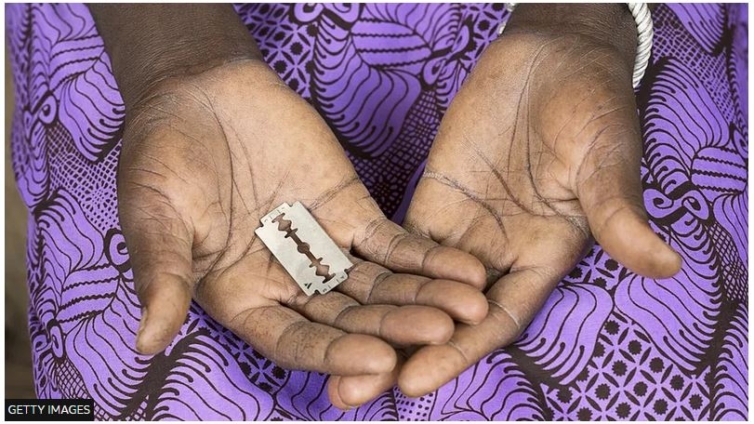
In the procedure's most severe form, after removing the sensitive clitoris, the genitals are cut and stitched closed so that the woman cannot have or enjoy sex.
Followers of an outspoken Muslim cleric, Abdoulie Fatty, rallied in support of the bill shortly before it was introduced in parliament on Monday.
They chanted: "Female circumcision is my religious belief, Gambia is not for sale."
Last year, the cleric helped pay the fines of three women who were convicted of carrying out FGM on young girls.
At the time, The Gambia Supreme Islamic Council, the main body of Muslim clerics in the country, called for the ban to be scrapped.
There are different views in Islam over the practice, with some leading scholars, like those in Egypt, opposing it.
The Gambian lawmaker who is championing the bill, Almammeh Gibba, said it sought to "uphold religious purity and safeguard cultural norms and values", the privately owned Point newspaper reported.
He said the practice could not be described as mutilation if done properly.
The head of The Gambia's Female Lawyers Association, Anna Njie, said that repealing the ban would be a backward step.
"We have no authority to tell the National Assembly what to do, but we have rights reserved in the constitution to take legal action when certain fundamental rights are violated," she was quoted by the local Standard newspaper as saying.
The leader of the majority party in parliament, Billay Tunkara, said it had not yet taken a decision on whether to support the bill.
"We are taking our time because it is a very sensitive area that doesn't only have to do with religion or cultural aspect but also human rights and health issues," he said.
Latest Stories
-
Livestream: The Probe examines Kumasi’s looming water crisis
1 minute -
MTN Ghana gears up to lead Africa’s AI revolution
2 minutes -
Philanthropist Alhaji FuZak donates Da’wah bus to Ambariya Sunni community
10 minutes -
GUTA calls for suspension of Publican AI system over trade disruptions, demands temporary halt in import activities
12 minutes -
TTAG raises alarm over proposed recruitment of 7,000 teachers, demands national posting roadmap
46 minutes -
Civilians feared killed after reports of air strike on Nigerian market
55 minutes -
Bishop Simon Kofi Appiah installed as new Jasikan Diocese Bishop
56 minutes -
Trump’s Strait of Hormuz blockade threat raises risks and leaves predicaments unchanged
59 minutes -
US Court backs extradiction of former MASLOC CEO Sedina Tamakloe-Attionu’s to Ghana
1 hour -
Seven arrested as NAIMOS dismantles illegal mining camp, seizes firearms at Boin River
1 hour -
Fire erupts at Madina Ritz Junction, destroys multiple wooden structures and containers
2 hours -
Daniel-Kofi Kyereh returns from long-term injury, registers assist for Freiburg U23
2 hours -
Knifeman calling himself ‘Lucifer’ slashes three at NYC’s Grand Central
2 hours -
Brands are built from within to without
2 hours -
Matriculants urged to pursue excellence as gov’t reaffirms support for Maritime education
2 hours