

Audio By Carbonatix
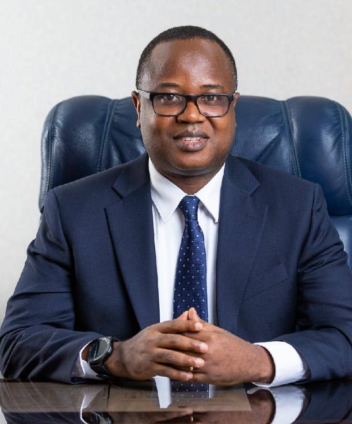
The First Deputy Governor of the Bank of Ghana, Dr. Maxwell Opoku-Afari, has attributed the remarkable resilience exhibited by the banking sector over the two-year period to the comprehensive financial sector reforms that took place before the Covid-19 pandemic struck in 2020.
According to him, the sector has since remained liquid, profitable, and well-capitalised.
Speaking at a Financial Literacy Workshop in Northern Zone of Ghana for Media Practitioners, he said the industry’s measure of solvency, the Capital Adequacy Ratio, has remained well above the revised regulatory 13%, adding, asset quality has also improved albeit marginally.
He told the journalists that “we cannot talk about all of these without assessing the strength of the Banking Sector: Banking sector is key for Growth and the stability of that sector should not be taken for Granted.
“The remarkable resilience exhibited by the banking sector over the two-year period could be attributed to the comprehensive financial sector reforms that took place before the Covid-19 pandemic struck in 2020”.
Inflation to begin trending back towards medium-term horizon next year
On inflation, he pointed out that the Central Bank’s forecast indicates that inflation would peak later this year and begin trending back towards the medium-term horizon.
“There are however significant upside risks to the inflation outlook, including increased commodity prices, particularly crude oil, heightened supply chain disruptions, and the over 20% increase in utility tariffs set to kick in from 1st September 2022. These are all sources of noise to the economy and the conduct of Monetary Policy”, he noted.
Latest data shows that headline inflation rose sharply to 31.7% in July 2022 from 29.8% in June 2022 on the back of significant increase in both food inflation and non-food inflation
Transparency key in promoting BoG’s credibility
He further said that the Bank of Ghana views transparency as key in promoting credibility of the Bank’s policies.
“Transparency is possible when the media accurately and in the right language informs and educate the public of the exact nature of developments in the economy as well as the real implications of actions taken by policymakers. Hence, such training workshops, which seek to equip financial journalists to play key roles in the dissemination of economic and financial information to the public, should be taken seriously”.
He added that engagements with stakeholders also foster the creation of an informed public, whose accurate grasp of economic and financial issues are important in ensuring calm financial markets and seamless functioning of the economy.
Latest Stories
-
Guinness Ghana DJ Awards 2026 Pub Fest celebrates Ghana’s DJ culture as Accra turns up the energy
8 minutes -
10th woman found dead in South Africa’s string of killings
8 minutes -
French Embassy trains Ghana Police CTU in counter-terrorism operations
40 minutes -
UPSA uncovers mass results manipulation involving 178 students, over 500 results compromised
1 hour -
ECG announces planned power outages in parts of Tema from Sept. 29 to October 1
2 hours -
Sylvester Mensah urges Latenu FM to promote trade, export opportunities in Ga
2 hours -
Ga language under threat of decline as children shy away from speaking it – Sylvester Mensah
2 hours -
‘Let every Ga child you raise know the Ga language and story’ – Sylvester Mensah
2 hours -
‘We are not deterred’ – Ablakwa responds to backlash over South Africa evacuation
2 hours -
NCA announces major voice and data disruption across Northern Ghana due to fibre cuts
3 hours -
Photos: Housing solutions take centre stage at Day 2 of the 3rd Republic Bank-JoyNews Habitat Fair
3 hours -
Ghana Air Force passes out 293 recruits after six months of intensive training
4 hours -
EOCO vrs Baffour Awuah: EOCO should have secured warrant before arrest attempt at court – Inusah Fuseini
4 hours -
Triple fibre cuts disrupt telecom services across Northern, Oti regions – Sam George
4 hours -
Politicisation could undermine parliamentary probe into cocaine seizures – Dr Osae-Kwapong
4 hours