

Audio By Carbonatix
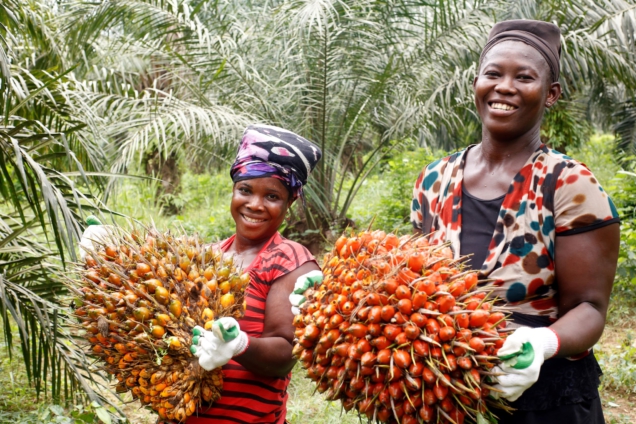
The first global Palm Oil Barometer by Solidaridad and smallholder producer organisations in Asia, Africa and Latin-America is expected to give a new perspective on the largely negative public debate around palm oil in western countries.
Many believe this controversial crop presents more issues and more opportunities than many people realise.
While smallholder palm oil farmers risk living in poverty, the $282 billion palm oil industry creates huge profits for companies.
According to Solidaridad, “the pivotal role of smallholders in the palm oil sector, currently contributing to around 30% of global production, is often overlooked in the sustainability agenda, as policies tend to focus on large industrial plantations. And with their contribution to palm oil production expected to grow, smallholders play an increasingly central role in rural economic development and preserving biodiversity”.
It added that with palm oil as a crucial ingredient in the diet of the poorest people on earth, and its widespread presence in products like margarine, shampoo and biodiesel, its here to stay. Supply chain-wide smallholder inclusion is crucial for sustainable palm oil production.
Deforestation and poverty interlinked
Palm oil production figures prominently in the media comes as a cause of deforestation, biodiversity loss and climate change.
However, Solidaridad said by isolating its impact on the environment from the poverty crisis, to which it is directly linked, it’s easy to overlook the vital role smallholders play in palm oil production.
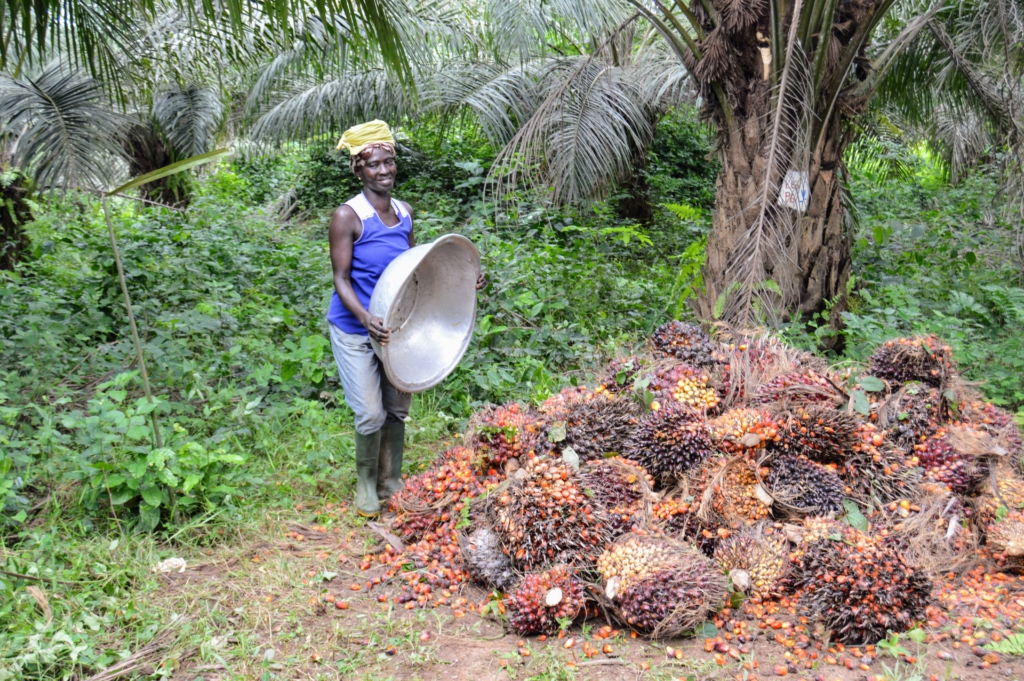
“Although the image of large companies growing vast expanses of oil palms as a monoculture holds true, more than three million smallholders and their families produce roughly 30% of the world’s palm oil. And a multitude of workers find jobs in oil palm production. In Indonesia alone, there are around 16 million workers in the palm oil sector, of which the majority is employed by smallholders”, it pointed out.
It further said the contribution of smallholders in the overall supply of palm oil is only expected to increase, as industrial-scale companies are forced to limit expansion due to zero-deforestation commitments.
Shatadru Chattopadhayay, Managing Director Solidaridad Asia said “smallholder farmers produce not even 2% of certified sustainable palm oil on the market, while contributing 30% of the world’s supply. Governments and businesses must make smallholder inclusion part of their sustainability criteria.”
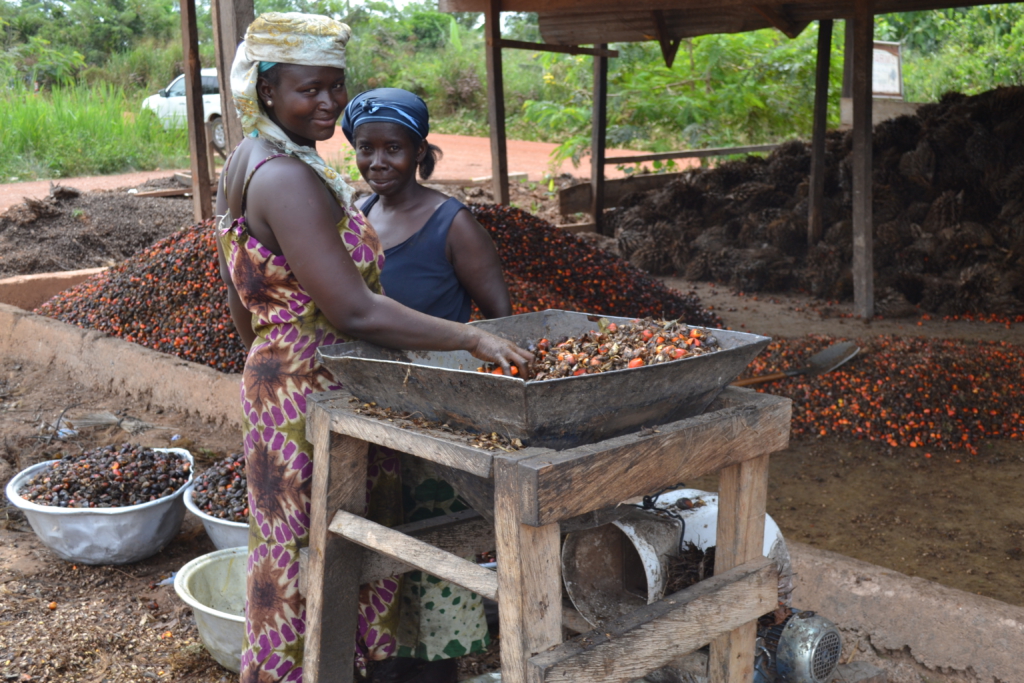
“In the multi-billion dollar palm oil industry, smallholder farmers do not get their fair share. Smallholders generated $17 billion of the palm oil industry’s $282 billion turnover in 2020, yet many did not earn enough to cover their families’ essential living costs. Despite this, many smallholders prefer growing oil palm to other crops, like rubber or coffee, because they earn a higher and more consistent income throughout the year. For many smallholder farmers growing oil palm gives them better prospects and alleviates poverty”.
Mr. Chattopadhayay pointed out that multiple factors can influence a farms’ profitability, including its size, labour and fertilizer costs, market access, and prices, adding, volatile market prices squeeze smallholder margins that are already narrow.
“It’s getting more and more difficult for farmers with all these changes in the prices. Some feel as if 50% of their livelihood has been lost as the prices of the fresh fruit bunches have been slashed and, at the same time, the price of fertilizers and pesticides have risen by more than 100%” said Valens Andi, Head of a Farmers’ Cooperative in West Kalimantan, Indonesia, to Al-Jazeera.
“Faced with these precarious conditions many smallholders are unable to invest in farm-level innovations or adhere to sustainability standards. By 2030 Indonesian smallholder plantations will account for around 60 percent of the country’s oil palm area. Supporting these smallholders to produce sustainably will be a key challenge in the coming years”, he added.
Fair value distribution at the heart of sustainable palm oil production
While smallholders struggle to make ends meet, at the other end of the chain food manufacturers, consumer goods companies and retail take 66% of the gross profits on palm oil in food, household, and body care products.
Solidaridad said its focus is on cost-cutting to optimise profits contrasts starkly with individual companies’ sustainability commitments, as well as the global climate and UN’s Sustainable Development Goal agendas.
The concern, it pointed out that global palm oil buyers show little willingness to compensate small producers for operating sustainably, for example, by paying a fair price and investing in long-term trading relationships, adding, a fairer value and risk distribution across the palm oil value chain enables farmers to both produce sustainably and make an income that sustains their family’s livelihood.
Stop boycotting and start investing in good palm oil production
Smallholder interests are not only overlooked in the value chain, their role and interests are also ignored in the public debate.
Soildaridad said campaigns by Non Governmental Organisations and commercial brands call for a palm oil boycott to combat biodiversity loss.
“Many academics and conservation organisations agree that banning palm oil would simply shift the problem elsewhere, threatening other habitats and species. Oil palm is far more productive than any other vegetable oil crop”, it said.
For example, it pointed out that on average, it’s five times more productive and therefore replacing palm oil with alternatives would intensify the battle for scarce farmland.
“Instead of boycotting palm oil, the industry should invest in sustainable palm oil production by smallholders”, it noted.
Bringing smallholder voices to the fore
Solidaridad said farmer organisations should play a key role in the debate on the future of palm oil farming, therefore focusing on fair value distribution and minimizing environmental degradation is key.
The private sector and governments, it said, need to move from technical assistance to programmes that address the structural disadvantages at smallholder farm level, adding, solutions will not be the same everywhere and have to be found in a combination of voluntary and mandatory approaches.
Heske Verburg, Managing Director of Solidaridad Europe recommended that “companies and governments in consuming and producing regions must include smallholders’ interests when developing and implementing policies. The EU should ensure that smallholders will be supported to meet the requirements of the EU Regulation on deforestation-free products and in partnership with producing countries tackle the root causes of deforestation, including poverty.”
Latest Stories
-
NPP Delegates conference: The wisdom of the masses will prevail – Napo
13 minutes -
NPP Bosome Freho Constituency Chairman reportedly arrested over ballot paper incident
34 minutes -
Happy 76th Birthday to the Daily Graphic!
60 minutes -
Amin Adam celebrates Prof. Alhassan Musah on appointment as KAAF University Vice-Chancellor
1 hour -
Mahama reaffirms commitment to Volta development at Asogli Te Za
1 hour -
Bawumia urges NPP aspirants to accept results, reunite party after elections
1 hour -
Double fibre cut disrupts Telecel services, 72,754 subscribers affected
2 hours -
Bawumia demands probe into financiers behind Ghana-linked cocaine shipments
2 hours -
Spain beat Czech Republic to maintain winning run
2 hours -
Ronaldo ‘greatest symbol’ of Portugal – Fernandes
2 hours -
NPP election: We thank NDC for making the attempt; we never expected them to show up – Karbo says after boycott
2 hours -
Tennessee prison chief to resign after Christa Pike’s failed execution
3 hours -
Free SHS suffering under NDC gov’t- Dr Bawumia
3 hours -
NSA cannot manage all Ghana’s sports facilities alone – Ampofo Ankrah
3 hours -
MoH announces mop-up recruitment for health professionals
3 hours