

Audio By Carbonatix
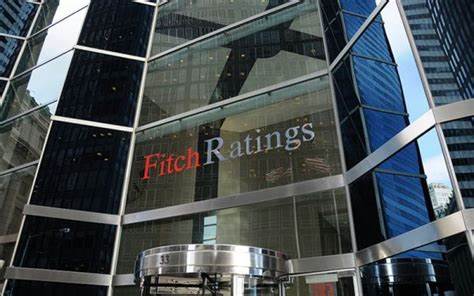
International rating agency, Fitch, is warning of more rating downgrades of African banks in 2023 with Ghana's debt restructuring expected to affect both domestic and regional banks.
According to its 2023 Outlook report, sovereign debt distress is the major risk to African banks’ financial profile.
"We are most concerned about potential sovereign defaults with many African governments facing very high and increasing debt servicing burdens exacerbated by rising interest rates, US dollar strength and unfavourable external funding conditions. The Ghana debt restructuring will affect domestic as well as regional banks".
It explained that African banks’ credit drivers will be undermined by both global and domestic shocks in 2023.
"Operating environments will be affected by a combination of high inflation, rising rates, currency depreciation and hard currency shortages, but moderate Gross Domestic Product growth, with no major African economy entering a recession, combined with banks’ relatively good fundamentals and buffers, will prevent a significantly more negative scenario", it noted.
Fitch further said banks’ sovereign debt risks have increased, with some African governments struggling with debt-servicing burdens and unfavourable external funding conditions.
It stressed that the banks could be downgraded due to further sovereign downgrades but the biggest risk comes from potential sovereign defaults that could affect banks in these countries as well as regional banking groups.
“Asset quality risks will return to be more prominent in 2023. Nevertheless, we assume only a moderate increase in impaired loan ratios in most countries. A sharp fall in commodity prices as a result of the global slowdown or economic developments in China could cause a faster increase in loan quality weakening”
Fitch continued that banks will however remain profitable, benefitting from rising interest rates and still-satisfactory loan growth (above GDP growth) which will mitigate a moderate rise in credit costs.
It concluded that capitalisation, funding and liquidity remain sufficient, with the latter in particular, underpinning banks’ standalone creditworthiness, stating, “external funding will be scarce and expensive”.
Latest Stories
-
US, Iran fail to reach peace agreement after marathon talks in Pakistan
21 minutes -
ECG kicks off Phase Two of transformer upgrades at Lashibi; brief outages expected
55 minutes -
Port crises loom as 11,000 drivers threaten four-day strike
2 hours -
A source of excellence across generations – Vice President Opoku-Agyemang lauds Mfantsipim
3 hours -
(Photos) Mfantsipim School launches historic 150th anniversary
3 hours -
Knights and Ladies of Marshall group backs Catholic Bishops’ stance on anti-LGBTQ+
4 hours -
Bright Simons writes: All the Filla in the Ibrahim Mahama/E&P – Gold Fields Saga
4 hours -
Monetise Idiocy In Ghana
4 hours -
The Ghanaian prophet and the mysterious death of his scottish wife Charmain Speirs
5 hours -
Nearly 400 sentenced in Nigeria for links to militant Islamists
6 hours -
Ghana’s recovery supported by gold strength despite global oil price pressures – Standard Bank Research
6 hours -
Methodist Church hails Mfantsipim@150; calls for “fresh consecration” to excellence
6 hours -
‘Excellence is our inheritance’ – Nana Sam Brew-Butler hails Mfantsipim’s 150-year reign in leadership
6 hours -
Kwaku Azar writes: A-G vs OSP
6 hours -
Mfantsipim–Adisadel rivalry built excellence, not division – Sam Jonah
7 hours