

Audio By Carbonatix
The Ghana Education Service (GES) has highlighted the need to intensify education “targeting girls, boy and the parents” on menstrual hygiene.
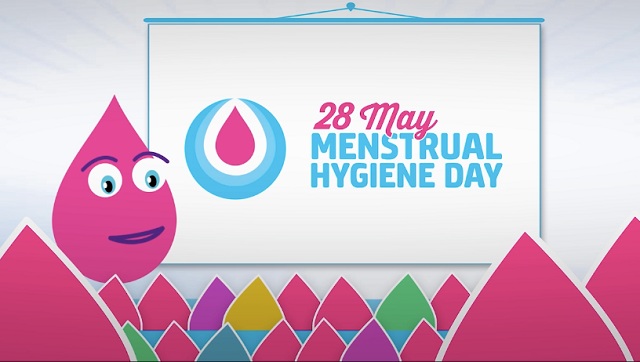
GES made a case for this move as the country commemorates Menstrual Hygiene Day on May 28, 2020.
The day is to “celebrate women and girls, to discuss menstruation, and to advocate for more favourable conditions for the many women and girls in Ghana without access to basic information on menstrual hygiene management, dignified toilets, safe water and safe sanitary hygiene materials.”
The 2020 edition is under the theme, "It's Time for Action’.
In a press release signed by the Deputy Director-General Anthony Boateng, the Service emphasised the need to look at the menstrual hygiene in the context of the ensuing Covid-19 poandemic.
It explained that the closure of schools over the need to contain the novel coronavirus may lead to “fewer girls and boys having basic information in relation to menstrual hygiene management.”
The GES among others things called for “provision of toilet facilities which are gender friendly with changing rooms, easy accessibility to menstrual hygiene products, even during the COVID-19 pandemic and demystification of myths and taboos connected with menstruation.”
Read full statement below
2020 Menstrual Hygiene Day Commemoration
Today is Menstrual Hygiene Day (28 May). It is a day to celebrate women and girls, to discuss menstruation, and to advocate for more favourable conditions for the many women and girls in Ghana without access to basic information on menstrual hygiene management, dignified toilets, safe water and safe sanitary hygiene materials.
The theme for this year is "It's Time for Action’.
This year’s celebration takes place in the context of the coronavirus (COVID-19) pandemic – a health crisis which has thrown a spotlight on the importance of adequate water, sanitation and hygiene.
According to the Multiple Indicator Cluster Survey 2017/2018, (MICS 2017/18) in Ghana, fewer than one in two (48.5 %) of households have handwashing facilities with water and soap and one in three women do not have access to a toilet during menstruation. Many did not have access to sanitary products and managed their menses using unhygienic unhygienic items like newspaper or leaves.
The economic and other social factors of COVID-19, including potential loss or reduction in family income, coupled with school closures and increase in cost of commodities may result in many adolescent girls and women having less ability to afford or access relevant sanitary materials.
In addition, the closure of schools may lead to fewer girls and boys having basic information in relation to menstrual hygiene management.
There is the need to continue advocacy on the following:
- Continuous education targeting girls, boy and the parents
- Provision of toilet facilities which are gender friendly with changing rooms
- Easy accessibility to menstrual hygiene products, even during the COVID-19 pandemic
- Demystification of myths and taboos connected with menstruation.
2020 Menstrual Hygiene Event
This year’s Menstrual Hygiene Day is being commemorated via social media, radio and television broadcasts.
Activities include the following:
- Webinar Seminar for the commemoration on the 28th May, 2020 from 9:30am-11:00 am broadcast online. The 90-minute event will include a keynote address delivered by the Hon. Minister of Education. Speakers and panelists from the Ghana Health Service, Ministry of Sanitation and Water Resources, Ghana Education Service, UNICEF, CONIWAS and other Development Partners.
- Short films of well-known personalities from all sectors - including government ministers, religious and traditional leaders, adolescents and broadcasters - celebrating Menstrual Hygiene Day
- Media interviews with representatives of the National Technical Committee on Menstrual Hygiene Management.
- Social media influencer endorsement
- Discussions on MHM on GTV Adult education programme as post MH Day activity
A post activity will be conducted by SHEP Coordinators at the Regional and District level
We are grateful to the National Technical Committee on MHM as well as those who coordinated the programme from Ministry of Education / Ghana Education Service, Ministry of Gender, Children and Social Protection, the Ministry of Health / Ghana Health Service, the Ministry of Sanitation and Water Resources. Other partners include UNICEF, Greater Accra Metropolitan/Municipal Area (GAMA) Sanitation and Water Project, World Bank, World Vision Ghana, WaterAid Ghana, Days for Girls, Global Communities and USAID and Coalition of NGOs in Water and Sanitation (CONIWAS).
We urge them to continue their support.
ANTHONY BOATENG
DEPUTY DIRECTOR GENERAL (MS)
FOR: DIRECTOR-GENERAL
Latest Stories
-
I was filled with disbelief – Akosua Achia Sarpong Esq. shares her first reaction
7 seconds -
Snake Village: A look at Volta Region’s hidden snake village and its tourism potential (Video)
7 minutes -
Election Watch Ghana calls for constitutional reforms to strengthen Electoral Commission independence
10 minutes -
NACOC, Postal and Courier Services Regulatory Commission intensify efforts to curb drug trafficking
11 minutes -
Ga Mantse chairs committee to drive Accra Green and Clean City Initiative
13 minutes -
Drivers threaten to remove traders from lorry stations over TrafficTech concerns
16 minutes -
AI could create 10 to 20 times more jobs despite current recruitment slowdown – Hubtel CEO
18 minutes -
Sexual abuse in schools persists because perpetrators are not held accountable – Dr Nyarkoa
26 minutes -
Chief Justice has designated Achimota Court to handle petroleum diversion cases – NPA CEO
29 minutes -
Philip Nai and friends gear up for bigger seventh Christmas outreach
30 minutes -
GSA strengthens electricity meter testing to protect consumers and improve energy reliability
31 minutes -
‘Dismissed or suspended? Ghanaians deserve clarity’ – NPP demands clarity on Ampofo Ankrah’s fate
35 minutes -
Teach consent and sexual boundaries from pre-school to prevent abuse – Gender advocate
40 minutes -
Zonda Tec launches HOWO T3M truck to support agric and logistics
49 minutes -
Obuasi SHTS scandal: Eduwatch calls for sex offenders’ register and mandatory background checks for teachers
1 hour