

Audio By Carbonatix
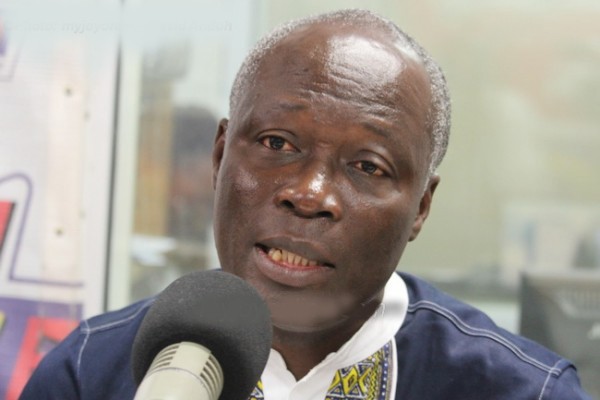
The National Coordinator of the District Road Improvement Programme (DRIP), Nii Lantey Vanderpuye, has appealed to Ghanaians to support the newly introduced GH¢1 fuel levy, cautioning that failure to implement the measure could result in a drastic 50% hike in electricity tariffs.
He made these remarks on Thursday, June 5, during an interview on Channel One TV, where he described the levy as a strategic intervention to safeguard the country’s energy stability.
According to Mr Vanderpuye, the fuel levy is a proactive step by the government to avoid passing the full financial burden of the energy crisis onto consumers through higher electricity bills.
“This levy is meant to resolve a problem we have created ourselves. Realistically, if we do not act now, we are looking at paying 50% more for electricity. It’s a matter of choosing between contributing one cedi now or bearing a far greater cost later,” he stated.
The GH¢1 charge, introduced under the Energy Sector Levy (Amendment) Bill, 2025, was approved by Parliament on June 3. It imposes a GH¢1-per-litre levy on petroleum products, with the government aiming to mobilise approximately GH¢5.7 billion.
The funds are intended to help clear ballooning debts in the energy sector and ensure the continued purchase of fuel for the country’s thermal power generation.
Finance Minister Dr Cassiel Ato Forson disclosed that the energy sector currently faces a staggering $3.1 billion debt, with a further $3.7 billion needed to settle outstanding obligations.
Additionally, an estimated $1.2 billion will be required to procure fuel for the 2025 financial year. These figures underscore the urgency of the government’s fundraising efforts.
Mr Vanderpuye insisted that the intention behind the fuel levy is not to unduly burden citizens but to stave off a possible return of erratic power supply—commonly known in Ghana as dumsor.
“It is either tariffs or taxes. We believe introducing this tax is the better option to ensure stable electricity without increasing tariffs,” he concluded, urging Ghanaians to consider the broader benefits of energy security.
Latest Stories
-
British widow dies in Ghana road crash after £1m romance scam losses
2 minutes -
The Presidency backs NLA-KGL Contract – NLA Boss
11 minutes -
NHIA board pays courtesy call on Asantehene, launches free NHIS registration drive for “King’s Month”
15 minutes -
Invoice fraud pushed rollout of Publican AI system – GRA official
16 minutes -
Who’s afraid of Interstitial Spaces? – A provocation
23 minutes -
Honouring Dominic Frimpong: Premier League Match Day 30 fixtures postponed
26 minutes -
Parliament’s Energy Committee commends NPA’s openness
30 minutes -
NEDCo seizes more than 300 meters over illegal connections
35 minutes -
Protecting Ghana’s cocoa reputation in the age of misinformation
44 minutes -
Ghana reaffirms commitment to regional gas cooperation at WAGP ministerial meeting in Abuja
45 minutes -
Tamale High Court to rule today in NDA corruption trial involving former officials
49 minutes -
Teshie Nungua to face planned power interruptions as ECG upgrades transformers from April 28–30
55 minutes -
NDC defends arrests, rejects claims of free speech crackdown
1 hour -
NPP calls on CSOs, global community to safeguard Ghana’s democracy
1 hour -
Delta Air Lines partners Amazon Leo to deliver faster in-flight internet; Ghana routes expected to benefit
1 hour