

Audio By Carbonatix
Ghana is overlooking the therapeutic and commercial potential of flowers, despite spending about $1.49 million annually on imported floricultural products, Administrator of the Department of Parks and Gardens, Antoinette Enyonam Amegbletor, has said.
She believes greater investment in floriculture and public education on the benefits of flowers could help improve mental well-being, create economic opportunities and promote environmental sustainability.
Speaking during a visit to the Department’s offices at Cantonments in Accra, Madam Amegbletor said flowers were often appreciated for their beauty, while their potential to support human well-being remained largely underutilised.
“The therapeutic aspect of flowers is not utilised in Ghana. Only a few people know that flowers can even heal them,” she said.
She explained that flowers and greenery could help create calming environments, particularly in homes, workplaces and healthcare facilities, where they could contribute to relaxation and emotional well-being.
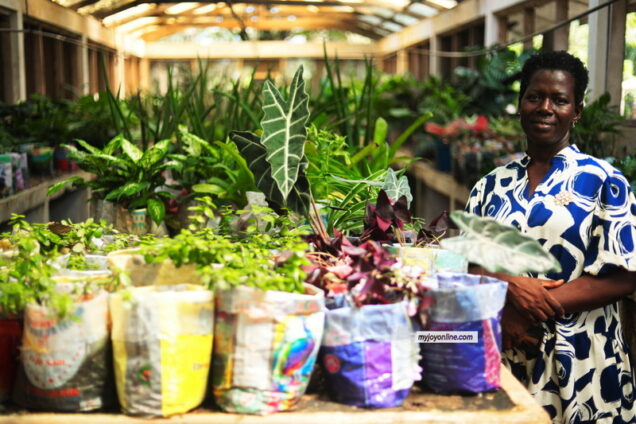
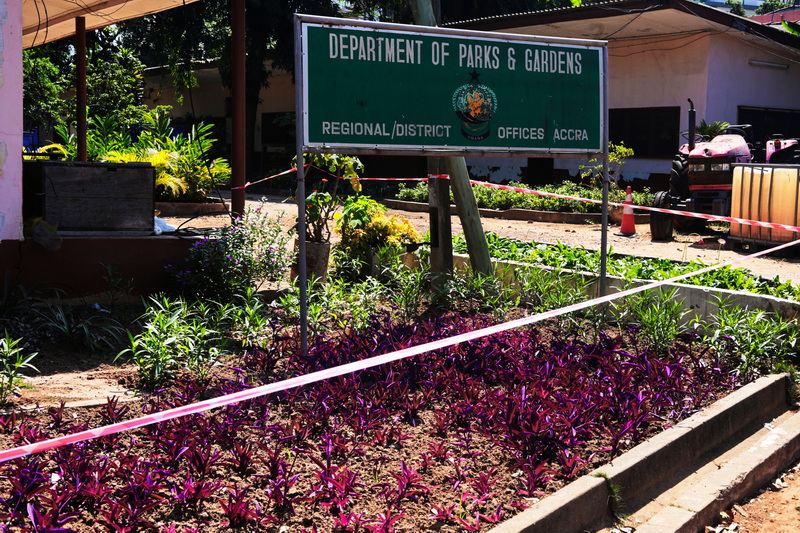
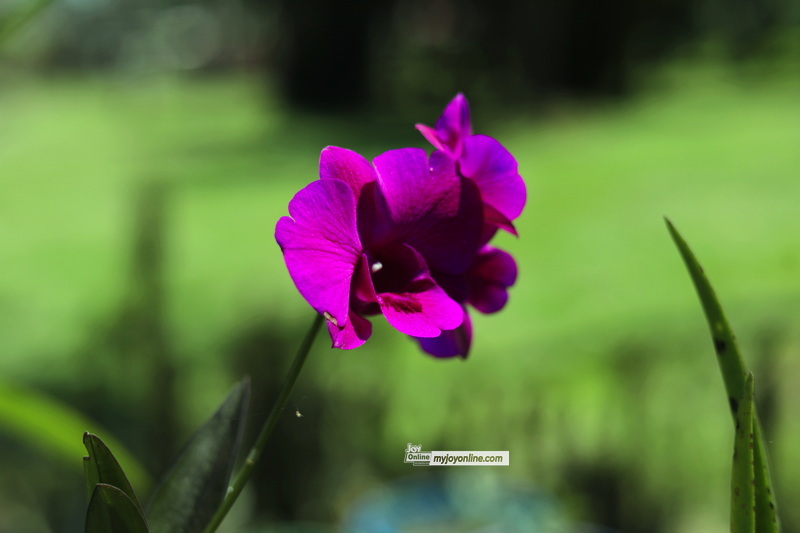
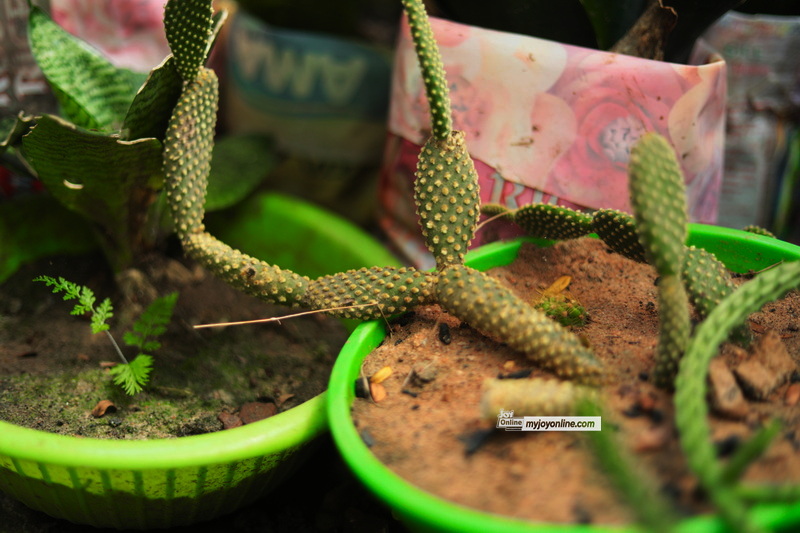
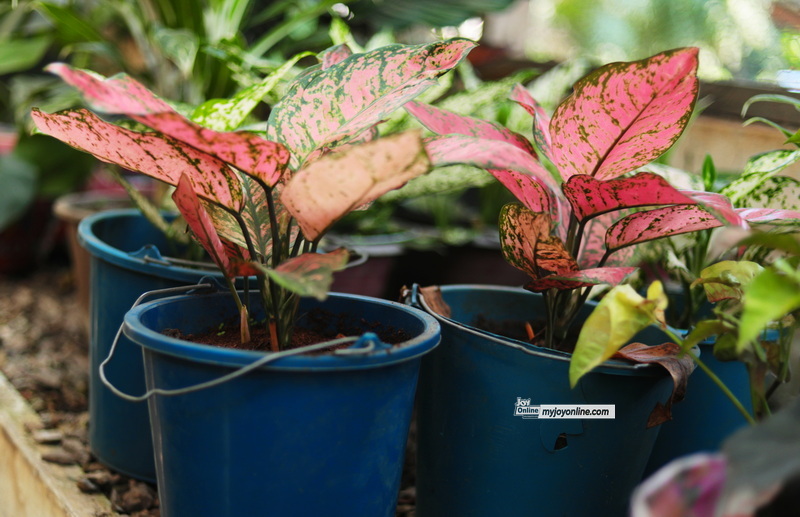
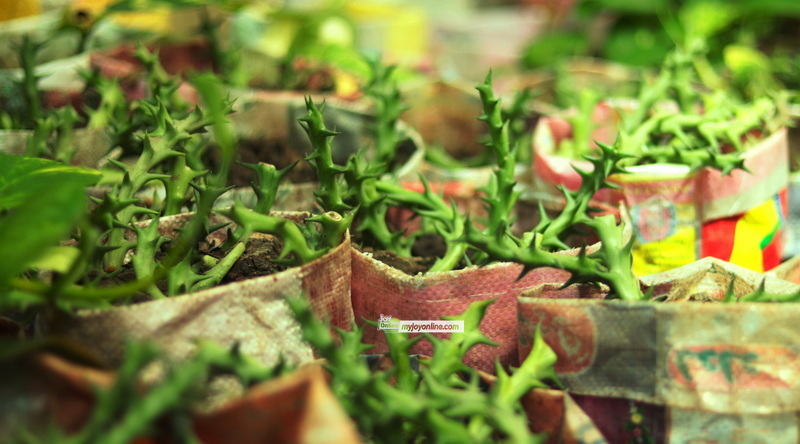
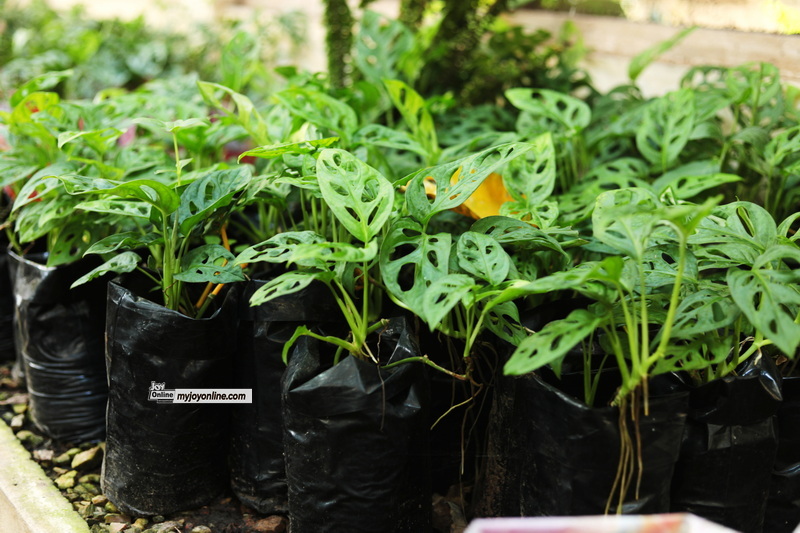
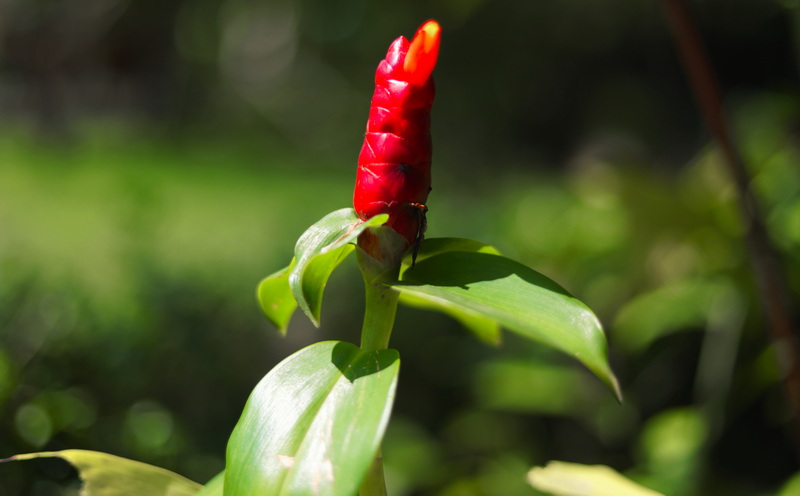
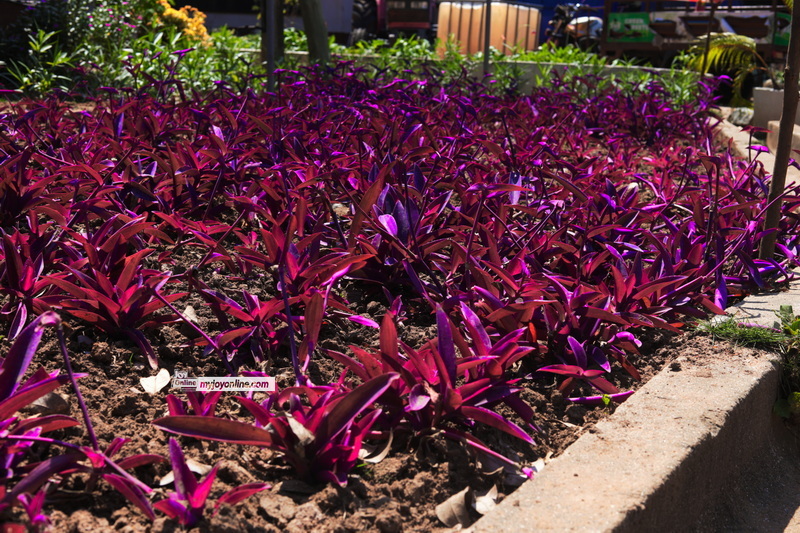
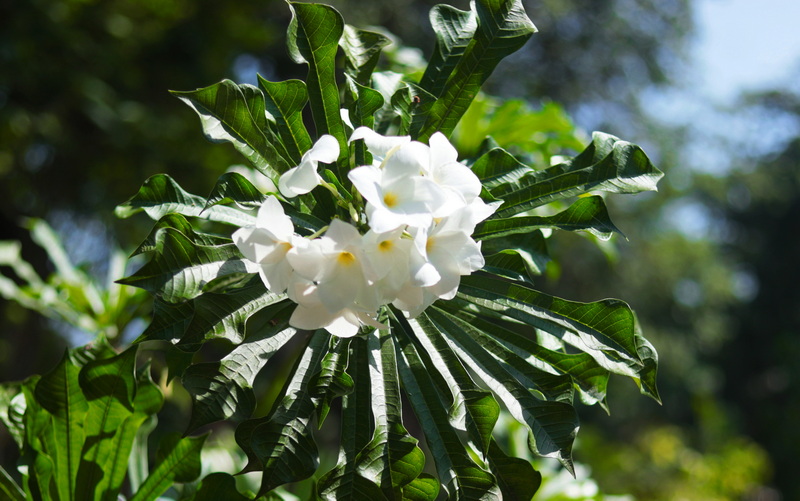
Taking the reporter around the Department’s gardens, she highlighted the range of flowers and ornamental plants cultivated at the facility, many of which are displayed with their botanical names.
The Department has various divisions responsible for nurturing, propagating and distributing plants, offering services to individuals, corporate organisations and non-governmental organisations.
Madam Amegbletor said the agency was also taking flower education to schools, churches and communities to raise awareness of the benefits of plants and encourage their wider use.
“Their vibrant colours, delicate petals, and enchanting fragrances evoke feelings of happiness, serenity, and tranquillity, and they serve as a reminder of the natural world, bridging the gap between humans and the environment,” she said.
Therapeutic benefits of flowers
Madam Amegbletor said integrating flowers and greenery into homes, workplaces and healthcare facilities could help create peaceful environments that promote relaxation and emotional well-being.
She believes hospitals, in particular, should pay greater attention to landscaping and the use of flowers, given their potential to create more calming surroundings for patients and healthcare workers.
“According to her, hospitals should plant flowers for patients because flowers have calming effects. It reduces stress. We ignore all these things, but it has proven therapeutic value,” she said.
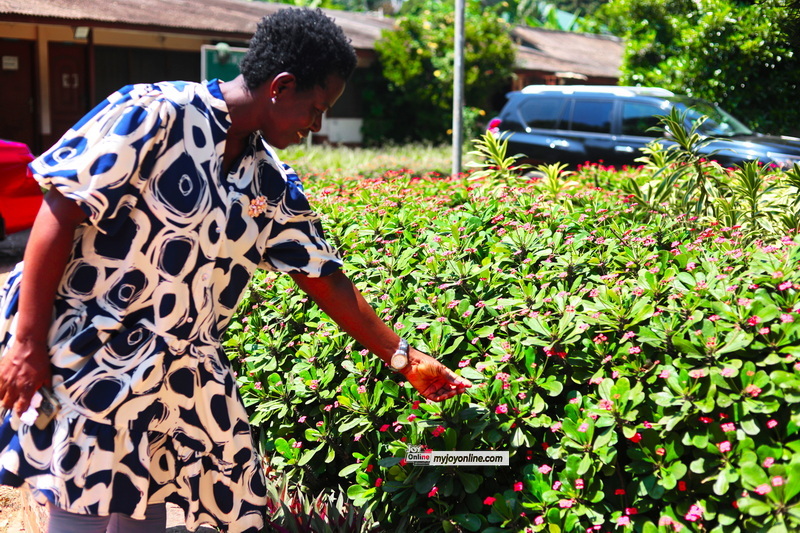
She recalled a previous workplace where efforts to improve the compound through landscaping and planting greenery appeared to have positively influenced the atmosphere among staff.
“I used to work in a place where we were able to develop the compound for its aesthetic purpose. We did the grass, we did the plants, and other things. And you could see that the aura around the staff was very calm. The greenery increased their excitement and also made them more friendly and happy,” she said.
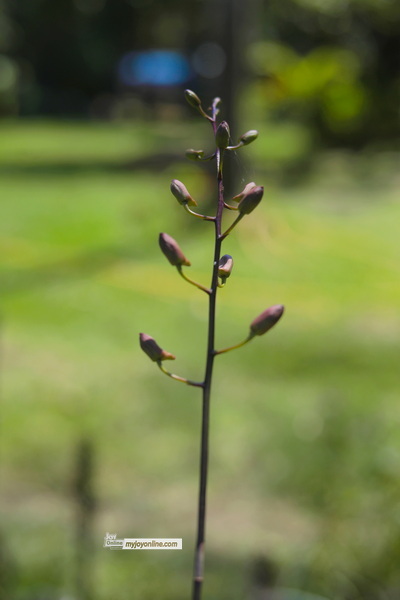
She added that the Department was encouraging institutions to incorporate greenery into their surroundings, citing embassies and Jubilee House as examples of places where landscaping could enhance the environment.
Ghana's floriculture potential and import bill
Despite the potential for local cultivation, Ghana continues to import significant quantities of floricultural products to meet domestic demand.
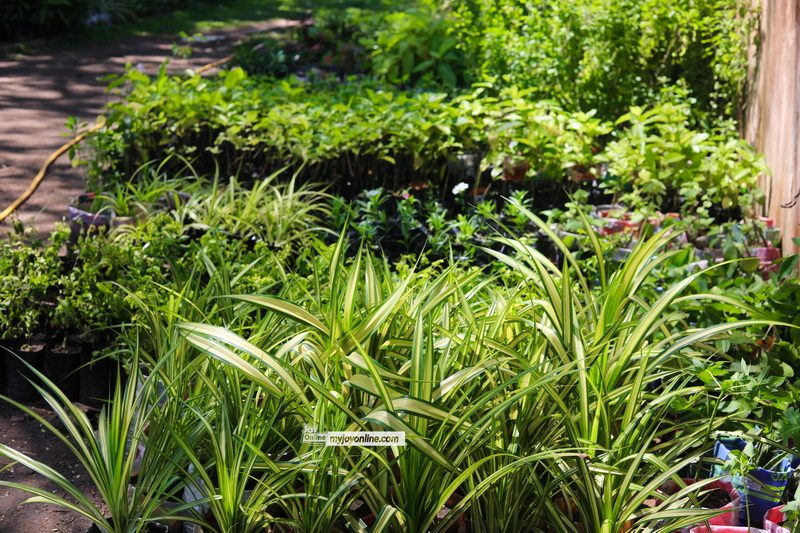
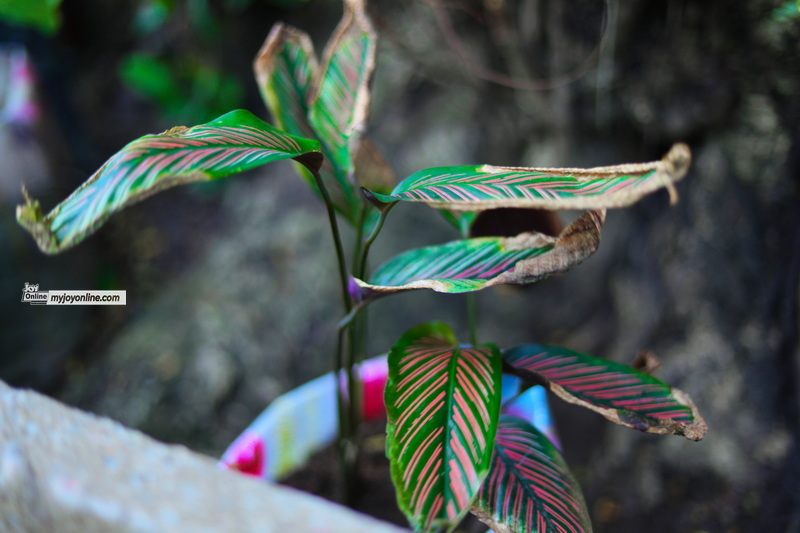
According to figures from the United Nations COMTRADE database, Ghana spends approximately $1.49 million annually on imports under the broader category of floricultural products, which includes live trees, plants, bulbs, roots and cut flowers.
Fresh cut flower imports alone account for an estimated $400,000 to $700,000 annually.
Kenya is the leading source of Ghana’s fresh flower imports, followed by the Netherlands and South Africa.
Commercial flower consignments reportedly arrive in Ghana by air about three times a week to meet demand for weddings, funerals and corporate events.
Roses 'N' More, Bloomville Ghana Limited and Adenta Fresh Flowers Ltd are among the businesses operating in the flower import market.
Although floriculture remains a relatively small segment of Ghana’s overall agricultural import bill, greater local production could create opportunities for businesses, employment and import substitution.
The broader agricultural import bill is estimated at between $2 billion and $3.5 billion annually, with fresh and processed tomatoes accounting for about $168 million and rice imports exceeding $1.2 billion.
The Ghana Export Promotion Authority (GEPA) and other stakeholders have been promoting local production as part of efforts to reduce import dependence, conserve foreign exchange and create jobs.
Choosing the right plants for the environment
Madam Amegbletor stressed that successful floriculture depends on understanding the environmental conditions required by different plant species.
She explained that Ghana’s tropical climate supports certain varieties of flowers, while other plants are adapted to temperate conditions and may struggle to survive outside their preferred environments.
“The interesting thing about plants is that you should be able to know which environment suits which plants, and where it has to be grown,” she said.
She noted that factors such as soil conditions, sunlight, shade and the surrounding environment influence how plants grow and develop.
Using an example of a plant growing beneath a forest canopy, she said uprooting it and transferring it into direct sunlight could affect its growth and appearance.
“If you're taking a walk in the bush and you sight a beautiful plant under a huge canopy of trees, and then you uproot it and plant it in the open sun, you will not have the same effect because you have taken the plant from a cooler environment.
“The soul of the plant must follow it; give it the same environmental conditions.”
She said shade-loving plants should be cultivated in shaded areas, while sun-loving varieties should be planted where they can receive sufficient sunlight.
Madam Amegbletor also explained that selecting suitable plant varieties was important for landscaping purposes. For instance, evergreen shrubs are often preferred for hedges, which can be planted closely together and trimmed into desired shapes.
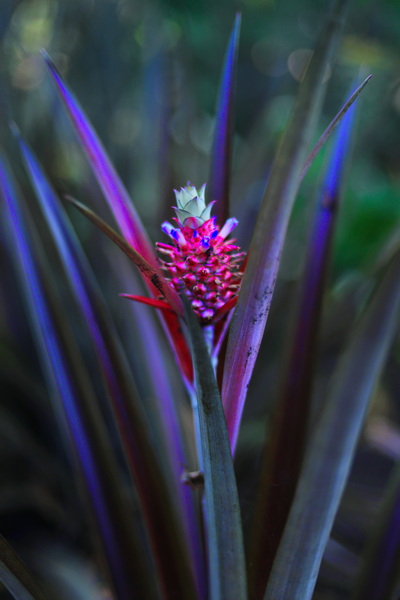
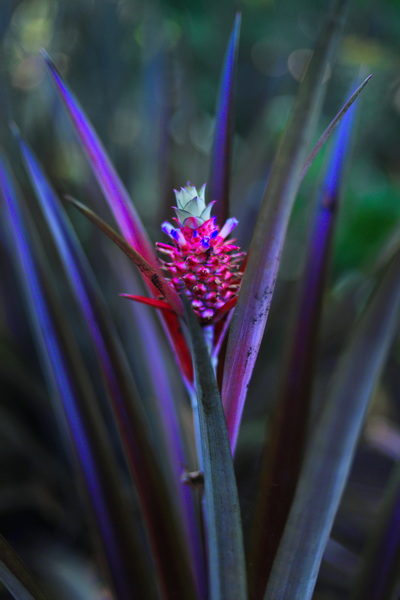
She added that while flowers eventually develop into fruits and seeds in many plant species, some ornamental plants are cultivated primarily for their colourful foliage rather than their flowers.
Greening communities to improve environmental health
Beyond their therapeutic and commercial potential, Madam Amegbletor said flowers and other plants could play an important role in improving the environment, particularly in densely populated communities.
She called for greater use of greenery in community planning and rehabilitation, including areas affected by poor sanitation and environmental degradation.
She suggested that spaces cleared of informal settlements could be replanted with flowers and other suitable vegetation to improve their surroundings.
She also advocated planting in appropriate areas around storm drains, saying greener surroundings could contribute to environmental restoration.
The Department, she said, has offices operating through municipal and district assemblies, with community development workers involved in educating residents on the importance of plants and encouraging behavioural change.
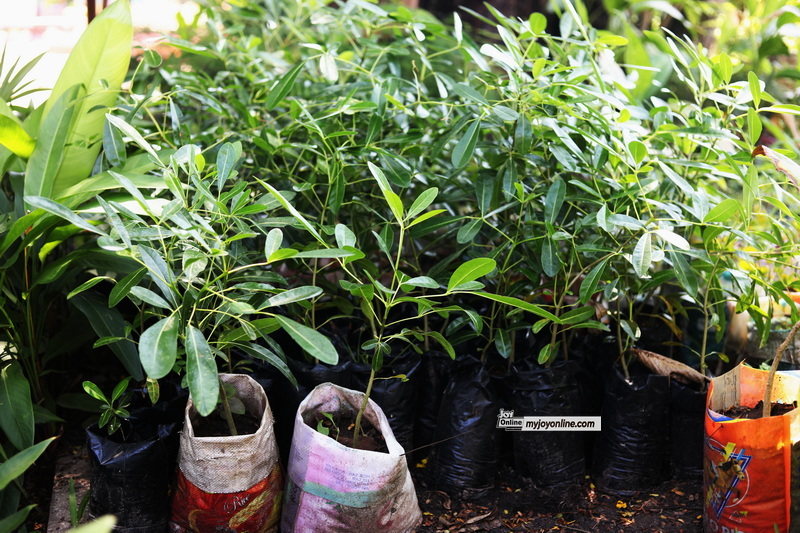
Madam Amegbletor also highlighted bamboo’s potential uses in environmental management, including its role in carbon storage and its suitability for certain degraded or waterlogged sites.
She said greater public awareness and collective action could support Ghana’s broader environmental sustainability efforts.
Green Ghana and local plant propagation
Madam Amegbletor pointed to the Green Ghana initiative, through which district and municipal assemblies distribute and plant trees, as an example of efforts to promote greenery.
She cited Assin Kuhyia in the Central Region, where houses have been laid out in an organised manner, and assembly members have distributed plants at electoral area level to encourage a greener community.
She also referred to a policy requiring one-third of a plot of land to be allocated to greenery, while highlighting the role of scientific research in improving plant varieties.
The Atomic Energy Commission, she said, has a tissue culture laboratory where scientists work to improve plant varieties.
However, she noted that one of the simplest ways to propagate flowers is by collecting seeds from parent plants and growing them under suitable conditions.
The Department of Parks and Gardens also propagates plants for sale at competitive prices and manages the landscapes of selected government installations, including Jubilee House.
Madam Amegbletor said greater public awareness, local cultivation and investment in floriculture could help Ghana look beyond the ornamental value of flowers to their potential contribution to business development, human well-being and environmental sustainability.
Latest Stories
-
Frequency, magnitude of recent drug trafficking cases worrying – Security analyst
3 minutes -
Autopsy shows Hayden Panettiere died from a drug overdose
5 minutes -
Ghanaian interest comes first in 2027 Budget – Dr Ato Forson
11 minutes -
Government must answer how 80 bags of cocaine passed through Ghana’s ports – Miracles Aboagye
31 minutes -
Ghana Women’s Movement announces protest over alleged intimidation of women
33 minutes -
‘I was waiting for the list to believe my Black Stars call-up was real’- Ronald Donkor
36 minutes -
Mahama has ordered NACOC back into port container inspections – Tanko-Computer
39 minutes -
Photos: Vice President joins ECOWAS Parliament, calls for stronger regional cooperation
40 minutes -
Two arrested over alleged GH¢30k bribe attempt in narcotics case
42 minutes -
Bodi, Juaboso and Bibiani SHSs qualify for 2026 National Public Speaking Competition
44 minutes -
Minority calls on government to sustain local crude supply to TOR
46 minutes -
Ghana Water ordered to pay $235m over Teshie desalination plant dispute
46 minutes -
Ghana overlooking therapeutic value of flowers despite $1.49m import bill – Parks and Gardens Administrator
52 minutes -
NPP demands immediate removal of institutional heads over cocaine trafficking cases
58 minutes -
Parliament’s Energy Committee commends TOR for using local engineers in ongoing development
1 hour