

Audio By Carbonatix
A capacity-building workshop has equipped Ghanaian journalists with deeper insight into how to accurately report on Environmental, Social and Governance (ESG) issues as the country prepares for mandatory sustainability reporting by 2027.
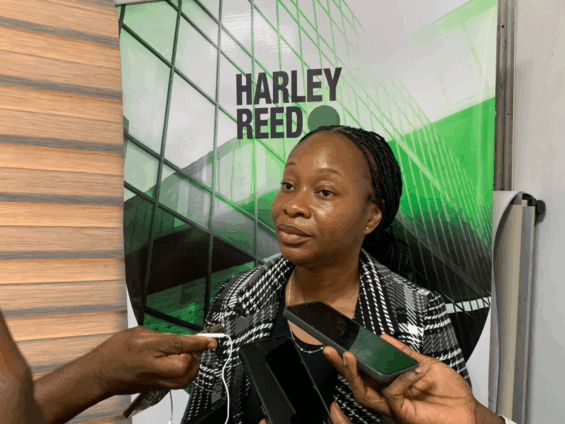
The training, led by Harley Reed, focused on sharpening journalists’ ability to ask the right questions, interpret sustainability data, and hold institutions accountable as global business standards continue to shift toward ESG-driven transparency.
What ESG really means
ESG refers to a company’s environmental impact, its social responsibilities, and the governance structures that ensure accountability. Globally, ESG compliance has become a key indicator of organisational resilience, ethical behaviour, and long-term financial stability. Investors increasingly rely on credible ESG data to assess risk and sustainability.

Speaking after her presentation, Harley Reed’s General Manager for Advisory Services, Cima Sholotan, said the world is moving firmly toward ESG-focused economies, where organisations that prioritise sustainability tend to be more competitive and trustworthy.
She emphasised that while Ghanaian organisations are gradually aligning with global standards, a significant communication gap remains.
“The media shape public understanding, but limited familiarity with ESG frameworks often leads to underreporting or misinterpretation,” she noted.
Sholotan encouraged organisations, especially SMEs to start building their capacity ahead of Ghana’s planned transition to mandatory ESG reporting under IFRS S1 and S2, which will require businesses to disclose sustainability and climate-related information.

According to her, early preparation is vital: “Being prepared now is far better than rushing when reporting becomes mandatory.”
She added that many organisations are unsure how to begin their ESG journey. The first step, she said, is building internal awareness and establishing the right systems to collect accurate sustainability data.
The workshop underscored the pivotal role of the media in ensuring that Ghana’s shift toward ESG transparency is understood, scrutinised, and effectively communicated, ultimately strengthening public trust, accountability, and investor confidence.
Latest Stories
-
Today’s front pages: Tuesday, October 13, 2026
19 minutes -
Wealth Over Water: How Galamsey Is Threatening Ghana’s Water Security
55 minutes -
LA 2028: Black Queens pumped up for second leg of Mauritius tie
1 hour -
LA 2028: Black Queens hold final training session ahead of second leg against Mauritius
2 hours -
Standards are not Seasonal: What the EC appointments teach both sides
2 hours -
King Mohammed VI urges private sector to create youth jobs and spread benefits of growth
2 hours -
KGL U17 Colts 2026: Greater Accra win title after penalties win over Western Region
2 hours -
UK Investment Roadshow opens in London to advance UK-Ghana growth partnership
2 hours -
Assemblies of God requires pastors to resign before entering partisan politics – Rev. Wengam
2 hours -
Ghana targets 20% annual reduction in maternal deaths – Health Minister
2 hours -
Cyber attacks in Africa grow faster than global rate, report finds
2 hours -
Ghana signs UAE deal to create 5,000 overseas jobs
2 hours -
One Million Coders Programme targets 100,000 digital jobs in two years – Sam George
2 hours -
John Jinapor, Italian Ambassador explore opportunities for energy sector investment
3 hours -
NHIA seeks legal reforms to support Free Primary Healthcare
3 hours