

Audio By Carbonatix
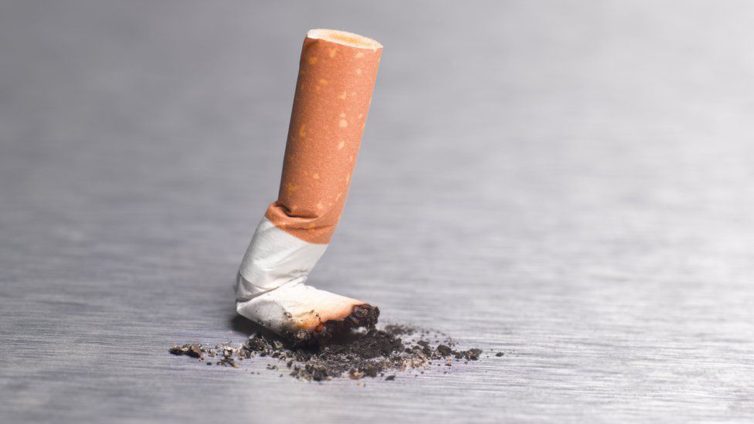
Ghana stands at a critical crossroads in its public health trajectory. As tobacco-related illnesses continue to claim lives and burden the nation’s healthcare system, there is a need to propose a workable solution, like some countries have, and adopt a more pragmatic approach to tobacco control. While smoking rates in Ghana are lower than in many other African countries, tobacco still poses a public health concern, contributing to chronic illnesses such as Chronic Obstructive Pulmonary Disease (COPD), lung cancer, ischemic heart disease, and stroke.
Each year, thousands of Ghanaians suffer or die prematurely due to smoking-related diseases. Though smoking prevalence is relatively modest, the presence of combustible tobacco products continues to compromise public health. Quitting smoking remains an uphill battle for many, and this is where approaches like Tobacco Harm Reduction become not just a useful tool but a lifesaving necessity.
As Prof. Michael J. Russell aptly put it, “People smoke for the nicotine but die from the tar”. The goal should not be to criminalise nicotine use, but to provide scientifically substantiated safer alternatives that eliminate combustion—the primary source of tobacco-related harm. Products such as nicotine pouches, heated tobacco products, and e-cigarettes (considered reduced-risk products) offer this opportunity and are already transforming public health landscapes in countries like Sweden, the United Kingdom, Japan and New Zealand.
Yet in Ghana, knowledge and awareness of THR and Reduced-Risk products remain limited. Many people are unaware of the existence of these reduced-risk alternatives or continue to be misinformed about their safety. This knowledge gap has hindered both acceptance and, consequently, adoption of harm reduction strategies into national health frameworks.
Currently, Ghana does not have a comprehensive Public Health Act that integrates harm reduction as a key pillar of its tobacco control strategy. While the WHO’s MPOWER framework is commendable in its focus on cessation and prevention, it notably omits explicit support for harm reduction strategies, even though harm reduction is recognised in Article 1(d) of the WHO Framework Convention on Tobacco Control as a key component of tobacco control. This oversight is particularly unfortunate for countries like Ghana, where resource limitations and healthcare system constraints make traditional methods of tobacco control insufficient.
A risk-proportionate regulatory framework is needed in Ghana—one that recognises the fundamental difference in harm between combustible cigarettes and non-combustible nicotine alternatives. Such a framework would regulate traditional tobacco products more stringently, while improving access to scientifically substantiated, reduced-risk alternatives for adult smokers who cannot or do not wish to quit nicotine use entirely.
Moreover, Ghana should not depend solely on international data to inform its public health policies. Localised research would also be helpful and provide local context. Universities, public health institutions, and independent research bodies should be empowered and funded to study smoking patterns, assess the effectiveness of harm reduction in the Ghanaian context, and evaluate policy outcomes.
Public awareness and education will also play a central role. There is a need for sensitisation campaigns that inform Ghanaians about the dangers of smoking and the availability of reduced–risk alternatives. Community influencers, civil society organisations, and traditional leaders can help build grassroots support and counter misinformation.
Ghana has a golden opportunity to lead West Africa in adopting a forward-thinking, health-first approach to tobacco control. By incorporating THR into its national tobacco control efforts, advocating for a Public Health Act that embraces harm reduction, and investing in localised education and research, Ghana can save thousands of lives and significantly reduce the long-term burden on its health system.
The time to act is now. THR presents a lifeline to the thousands of Ghanaian smokers who would prefer to switch to reduced-risk alternatives. With bold leadership, evidence-based policymaking, and public education, Ghana can chart a new course—one that not only reduces smoking-related deaths but also sets an example for Africa and the global south in protecting public health through innovation and compassion.
Link to the Lives Saved Report: Lives Saved Report
Latest Stories
-
Global InfoAnalytics poll puts John Boadu, Justin Kodua and Titus Glover ahead in NPP executive race
13 minutes -
Ghana to establish skills development university with $50m from German support package
19 minutes -
Baffour Awuah under EOCO investigation over alleged financial loss and money laundering – Deputy AG
26 minutes -
How healthy is Ghana’s health sector?
31 minutes -
HACSA Tech4Girls graduates 80 young women with digital and technology skills
32 minutes -
Arrest of Manhyia South MP should involve Parliament, not police station – Kpebu
1 hour -
Two Nigerians sentenced to 189 months in US prison over $2.4m cyber fraud
1 hour -
Cristiano Ronaldo leaves Portugal’s training camp after rift with Head Coach
1 hour -
Ghana Energy Awards opens nominations for landmark 10th anniversary edition
1 hour -
Aayalolo contra-flow: Are we treating the symptom instead of the disease?
2 hours -
GTEC orders Colleges of Education to begin 2026/2027 admissions despite fees approval delay
2 hours -
Legal reforms must solve real problems, improve justice – Bagbin
2 hours -
Ofori-Sarpong named Alumni President of the Year, honoured for PRESEC dormitory project
2 hours -
Germany commits $132m to Ghana for skills development and training university – Pelpuo
2 hours -
‘Influence should go beyond visibility’ – Taadi Banyinba GH launches The TB Impact
2 hours