

Audio By Carbonatix
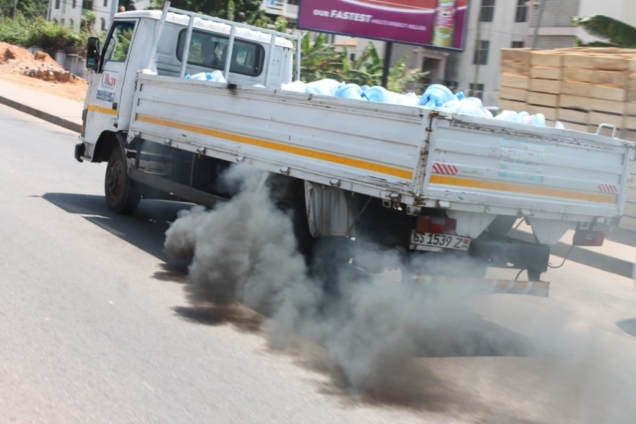
In Ghana, a growing air pollution crisis casts a shadow over the lives of its most vulnerable citizens. Toll workers, often individuals with disabilities facing limited employment opportunities, have borne the brunt of this environmental burden. Their daily tasks, collecting tolls on roads across the country, have exposed them to harmful vehicle emissions for extended periods, leading to serious health problems.
A recent report by Prince Owusu Asiedu, highlights the devastating impact of these emissions on toll collectors, as they want measures put in place if they’re to come back to the booths, and this has sparked a wave of concern and positive change.
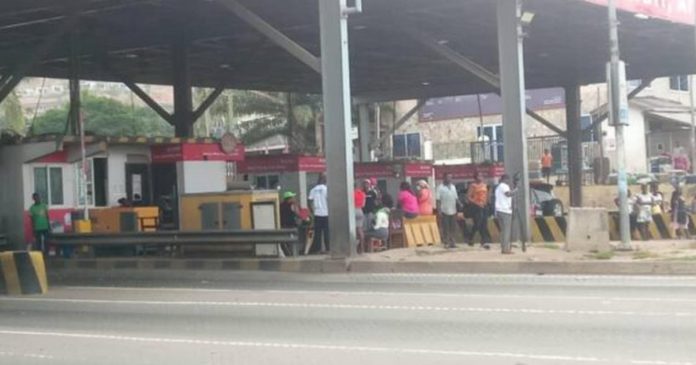
The Finance Minister, Dr. Cassiel Ato Forson, announced the government's decision to reintroduce road tolls later this year, but with a modern twist. This new system will leverage technology to prevent vulnerable individuals from being exposed to harmful emissions, ensuring their safety and well-being.
Dr. Forson assured the public that the new toll system will be fair and efficient, streamlining the process through technological advancements to minimise congestion and optimise toll revenue.
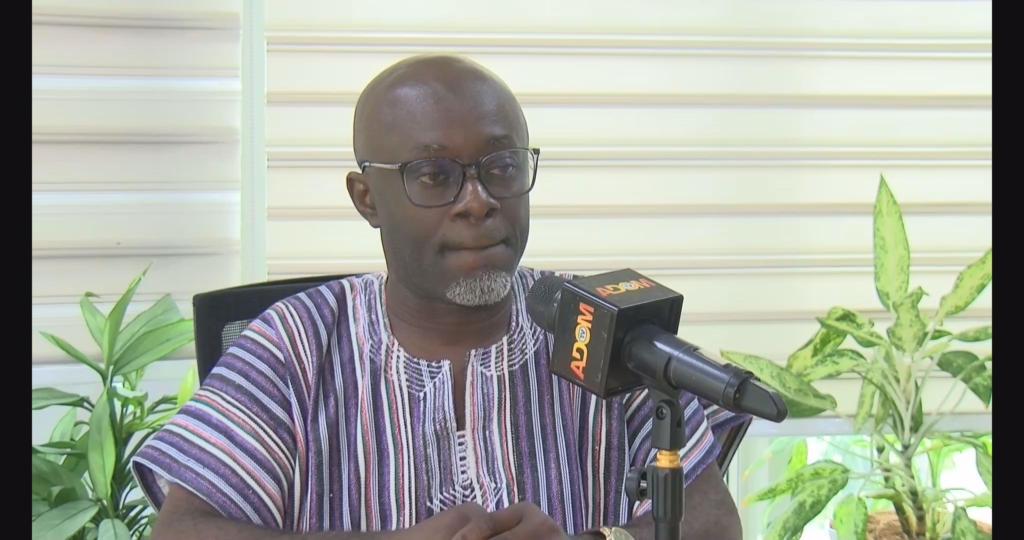
Country lead for the Clean Air Fund, Desmond Appiah, welcomed the shift to electronic toll booths, emphasising the need to address this major cause of air pollution which is vehicle emissions.
He stressed the importance of regular vehicle maintenance to prevent excessive emissions, a move that would not only benefit toll collectors but also drivers, passengers, and the entire population.
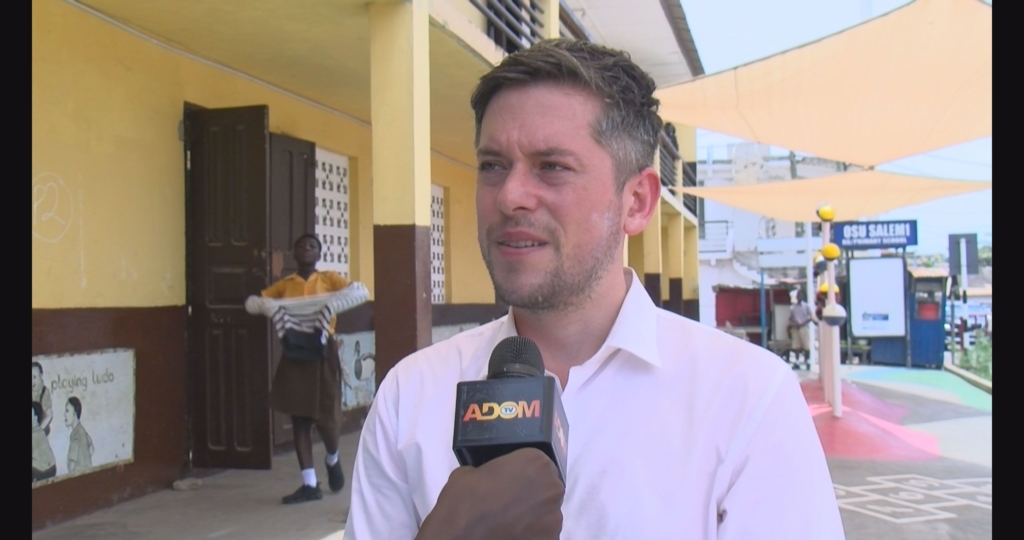
Senior Programme Manager for the Global Designing Cities Initiative, Hayrettin Gunn hailed the government's initiative as a game-changer for toll collectors.
He highlighted the alarming contribution of cars in Accra to air pollution, accounting for a staggering 40 percent of the city's air pollution, and its detrimental impact on residents' health and well-being.
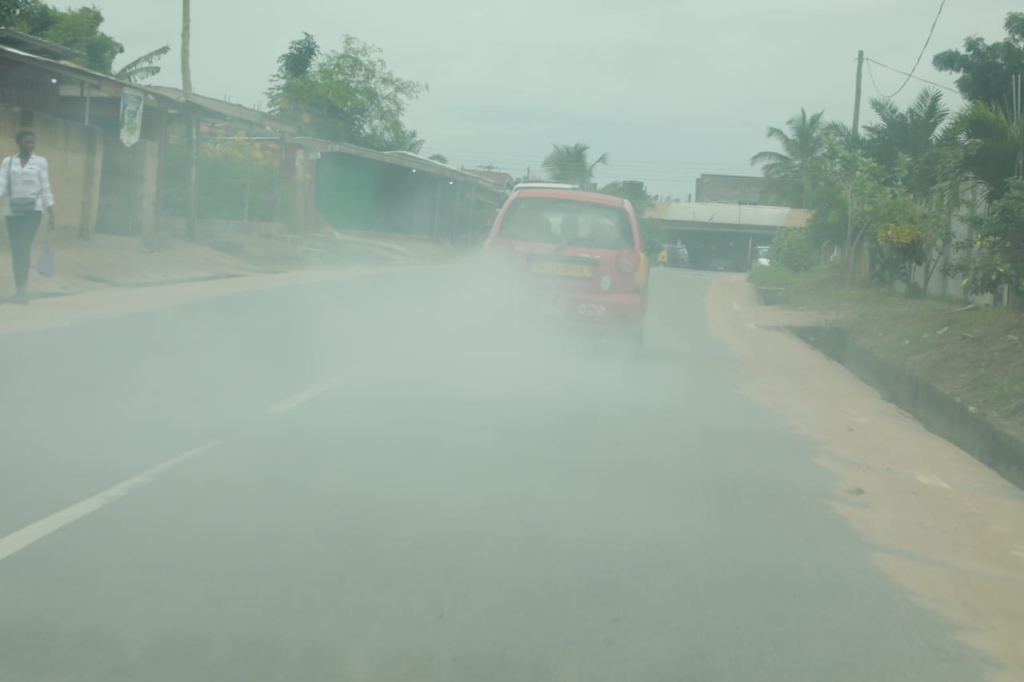
This new approach to toll collection presents a unique opportunity to improve the working conditions for toll collectors while tackling the pressing issue of air quality in Ghana.
It's a beacon of hope, signifying a commitment to protecting vulnerable individuals and creating a healthier environment for all.
Latest Stories
-
Tarkwa court jails labourer for three years over GH¢123,000 theft
39 minutes -
GAEC must retain nuclear scientists for Ghana’s nuclear ambitions – Minister
1 hour -
Man reportedly mistaken for game and shot by hunter dead in forest
1 hour -
19-year-old mason jailed 15 years for defiling seven-year-old pupil
1 hour -
Ghana’s banking sector assets rise 20.47% to GH¢500.2bn – BoG Governor
1 hour -
22 injured as Sprinter bus overturns at Sege after tyre burst
1 hour -
UN housing expert urges Ghana to strengthen Rent Control Department amid housing affordability concerns
2 hours -
Delta-BCI partnership reaches 166,000 people with breast cancer education
2 hours -
Power restoration fault suspected in Kumasi Central Market fire
7 hours -
The 7-foot giant of Ngleshie Amanfro: Seven-foot Ghanaian Ephraim Saawa dreams of joining the national basketball team
8 hours -
Government promises support for Kumasi Central Market fire victims
8 hours -
Vibes The Movie: Big Ghun’s Ghanaian film earns five nominations at 2026 REFFA
8 hours -
‘I’m a fulfilled man’—Justice Korbieh on missing out on Supreme Court despite two nominations
8 hours -
MamaCare CEO warns unresolved conflicts among health workers could undermine maternal and neonatal care
9 hours -
Health professionals urged to translate medical knowledge into practice to save mothers
9 hours