

Audio By Carbonatix
The CEO of the National Food Buffer Stock Company (NAFCO), George Abradu-Otoo, has revealed that government is taking urgent steps to tackle the alarming rate of post-harvest losses faced by farmers nationwide.
Mr. Abradu-Otoo described the trend as a “worrying phenomenon,” citing instances where losses reach as high as 60%, leading to significant financial setbacks for farmers.
He said post-harvest losses cost Ghana approximately $1.9 billion annually, with estimates ranging from 20% to 50% of total production lost due to poor handling, inadequate storage, and weak infrastructure across the value chain.
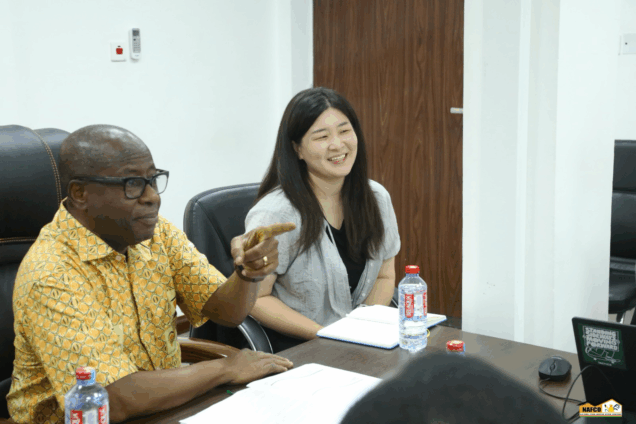
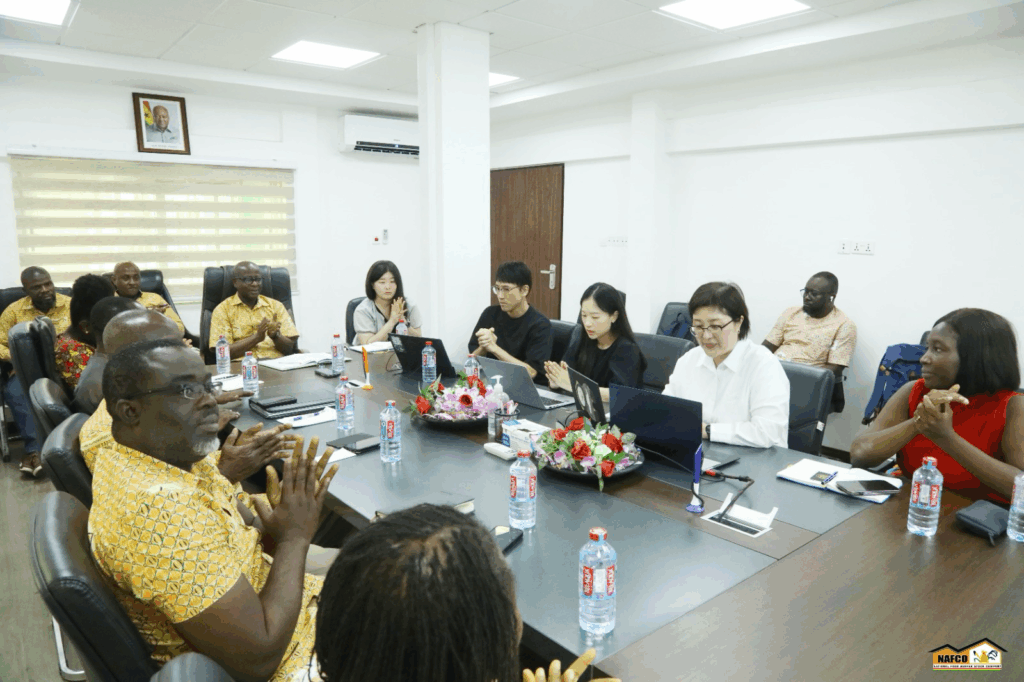
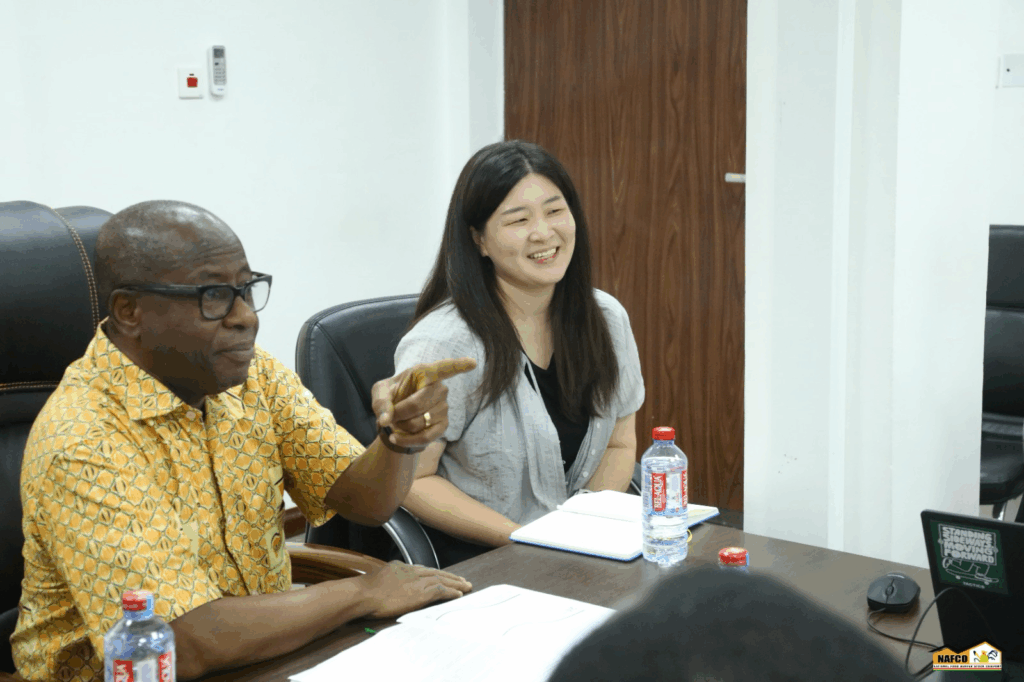
He made these remarks during a joint engagement in Accra with officials from the National Development Planning Commission (NDPC) and the Korea International Cooperation Agency (KOICA).
The visit was to brief NAFCO on a new five-year agriculture intervention dubbed “Strengthening of Agribusiness Value Chain for Local Economic Development in Ghana.”
The $9.5 million project, funded by the Korean government with counterpart support from Ghana, will be implemented in the Central and Volta Regions.
It aims to boost farmer incomes, create jobs, and improve agribusiness in tomatoes, onions, and pepper production.
The project targets greater self-sufficiency by 2029 through enhanced farming techniques and market access.
Mr. Abradu-Otoo attributed post-harvest losses to multiple factors, including on-farm challenges such as improper threshing, winnowing, drying, poor harvesting practices, climatic conditions, and marketing bottlenecks.
He emphasised that the government, through the Feed Ghana Programme, is prioritising efforts to address the issue.
He commended the Korean government for its continued support and said reducing post-harvest losses will not only support food security but also contribute to price stability and lower inflation, in line with efforts to reset Ghana’s economy.
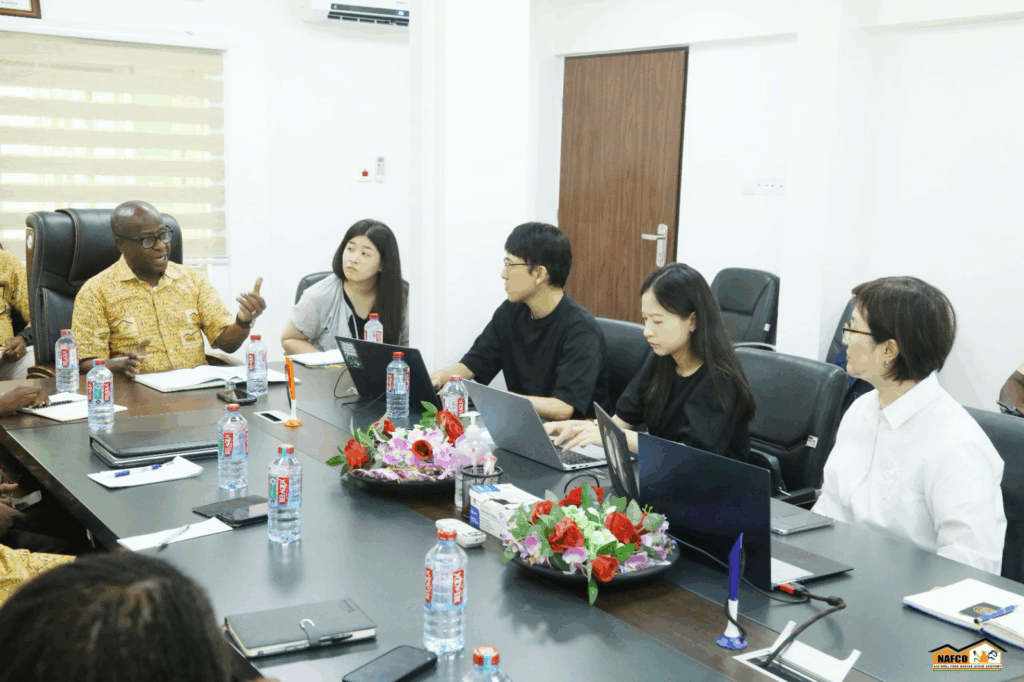
NDPC official Richard Tweneboah Kodua described the KOICA-backed project as a vital complement to the Feed Ghana Programme and a critical step in consolidating development gains in agriculture.
The Deputy Country Director of KOICA, Eunsoo Oh, said the project will introduce improved seed varieties, new technologies, and technical expertise to enhance local farming, harvesting, and processing capabilities in the selected regions.
Latest Stories
-
Vibes The Movie: Big Ghun’s Ghanaian film earns five nominations at 2026 REFFA
7 minutes -
MamaCare CEO warns unresolved conflicts among health workers could undermine maternal and neonatal care
31 minutes -
Health professionals urged to translate medical knowledge into practice to save mothers
38 minutes -
Conflicts among care providers linked to maternal, neonatal deaths – Expert
2 hours -
GIS marks 10th TIME conference, champions improved teaching practices
2 hours -
BRICS Or Balance? What Ghana’s bid really means
3 hours -
GPRTU wants full TRAFFITECH-GH implementation to start in 2027
3 hours -
Mahama announces plans to import electric wheelchairs for PWDs
3 hours -
KGL U17 Colts 2026: Western beat Prempeh Elite Academy to set up final final with Greater Accra Region
3 hours -
Late Solanke strike salvages 10-man Spurs draw at Man United
4 hours -
Gender Ministry to monitor welfare of Nana Akua Addo’s children amid domestic violence case
4 hours -
Benedict Okyere Yeboah: Ghana’s football problem goes beyond sacking a coach
4 hours -
GPL 2026/27: Darkwah Wiafe’s winner sees All Blacks beat Kotoko
4 hours -
ITF World Tour : Patel Wins Boys’ Singles Final at J100 Accra
4 hours -
Ghana must pursue BRICS partnership if it brings economic benefits – Kpebu
4 hours