

Audio By Carbonatix
The Communications Manager of Ghana Water Company (GWCL) for the Western and Central regions has expressed concern over the pollution of water bodies that serve as sources of drinking water for many.
According to Nana Yaw Barima Barnie, it is unfortunate that money has been prioritised over people's lives, stating that poisoning drinking water sources is effectively an attempt to harm the population.
Speaking on Top Story on Friday, August 30, Mr Barnie expressed that the extent of pollution has reached a point where it no longer seems reasonable for the Ghana Water Company Limited (GWCL) to continue treating water in the country.
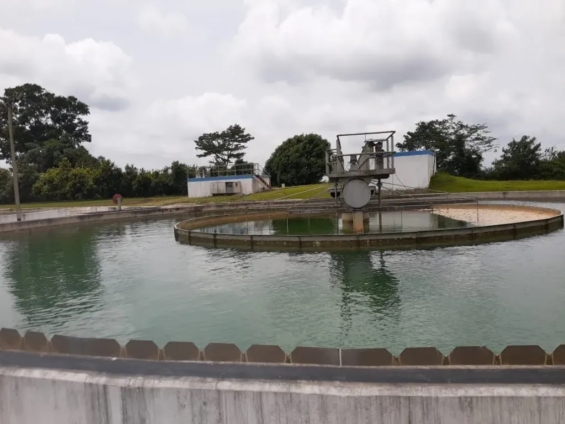
He explained that GWCL used to use aluminum sulfate to treat suspended particles in water, but it is no longer effective due to the highly polluted state of the Pra River.
“We are spending four times more than what we were spending in the past when we were using alum. We are now spending four times more now that we are using polyelectrolyte because that is more expensive,” he said.
His comment comes after the management of Ghana Water Company Limited in the Central Region announced recent challenges with water supply in Cape Coast, Elmina, and surrounding communities.
According to them, the recent demand-supply gap is due to inadequate raw water received at the Sekyere Hemang Water Treatment Plant (WTP) caused by illegal mining (galamsey) activities.
In a press statement signed and issued by the Central Regional Office of GWL on Friday, August 30, it noted that pollution of the Pra River, especially at the catchment area for abstraction, has significantly reduced water intake to the barest minimum.
It further mentioned that the plant is currently able to produce only about 7,500m³/day, a quarter of its installed capacity, noting that the situation has caused severe inconvenience to customers and consumers and apologised for the disruption.
In light of this, Mr Barnie said the GWCL may not be able to continue with the treatment of water and warned that the Sekyere Hemang Water Treatment Plant (WTP), which supplies raw water to the region, might eventually be forced to shut down.
“We are treating water and getting only a quarter of the capacity of the plant… People will now have to be running helter-skelter looking for where they can get water,” he added.
Latest Stories
-
Atta Akyea denies seeking presidential pardon for Wontumi in galamsey case
35 seconds -
Photos: Mahama commissions 85-bed Police Hospital ward, donates two ambulances
9 minutes -
GTEC directs Ghana’s public universities to reopen by October 16 and begin lectures on October 19
11 minutes -
Star Oil donates GH¢1million towards construction of new CID facility
14 minutes -
Court hands Adjetey Sowah, two others lifetime bans after Amputee Football legal dispute
24 minutes -
NDC appoints Julius Kwame Anthony as a Deputy Communications Director
24 minutes -
Ghana repatriates 120 Nigerians rescued from suspected cybercrime centres
28 minutes -
NPP rejects Emelia Agbenyo’s appointment as Deputy EC Chair, demands withdrawal
33 minutes -
EOCO grants Suame MP John Darko enquiry bail in GH¢27m SIC investigation
37 minutes -
NPP cannot question EC appointment after appointing own people to Commission – Kwakye Ofosu
42 minutes -
BoG deepens public trust with regional stakeholder forum in Techiman
52 minutes -
‘We have turned the tide’ – Ato Forson says Ghana is ready to take off
57 minutes -
Police arrest man captured in viral video assaulting wife in Agona Nkwanta
58 minutes -
KATH Mother and Baby Unit construction stalled for 14 months over unpaid contractor arrears
1 hour -
Government wanted to ‘tilt the balance’ with new EC appointments – Kwakye Ofosu
1 hour