

Audio By Carbonatix
The whole world is on a high alert following reports of the outbreak of coronavirus disease in China and it's rampant spread globally.
The World Health Organization (WHO), has declared the virus as a pandemic.
China has reported more than 17,000 cases of the disease and at over 360 people are reported to have died from it.
As of March 13, 2020, the World Health Organisation on its website reports 132,567 confirmed cases, 4,947 deaths and 123 countries and territories with these cases.
In Ghana, the Ministry of Information announced two confirmed cases of the COVID-19 virus, March 12, 2020.
While government action is necessary, there is a lot individuals can also do to stop the deadly disease from spreading and claiming lives.
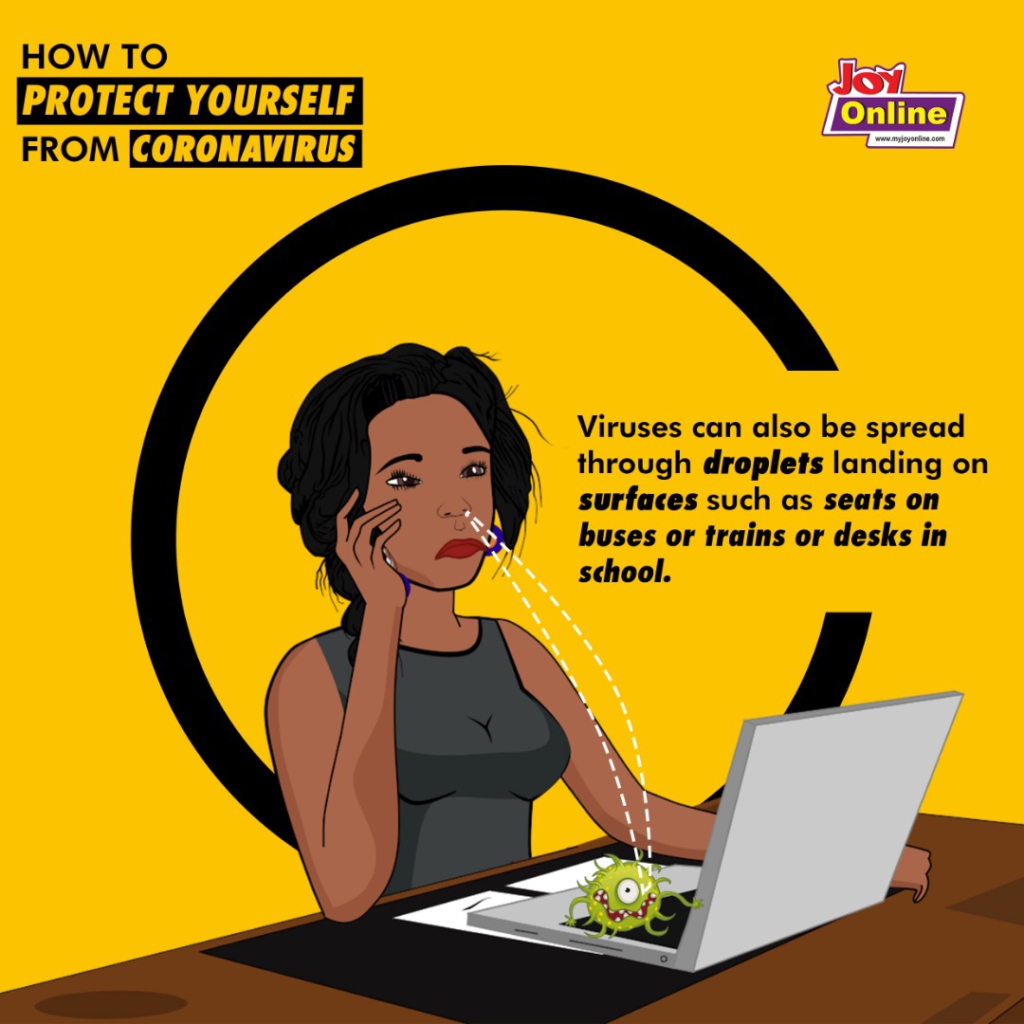
The virus spreads when an infected person’s saliva or mucus falls on surfaces when they cough or sneeze.
When these are inhaled or picked up by others, the risk of contraction is almost immediate.
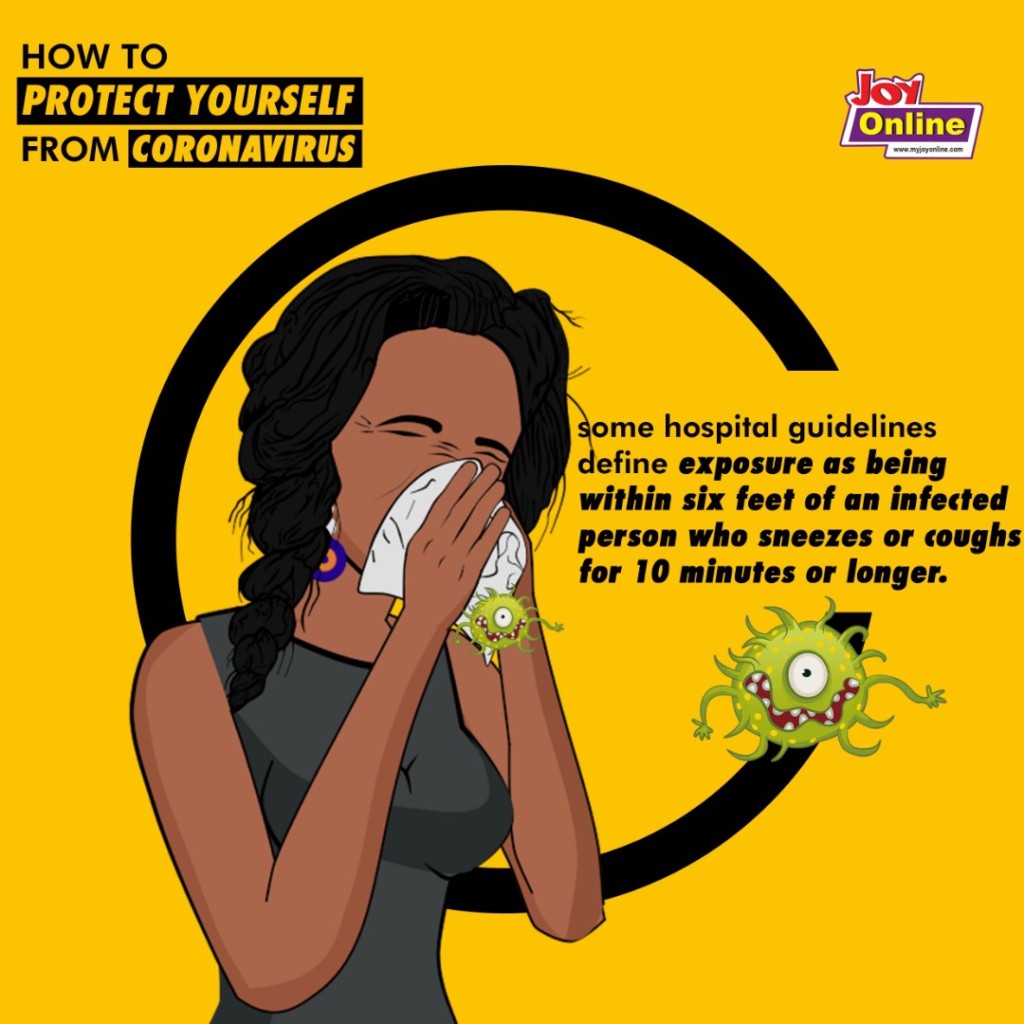
Some health centres have defined exposure as being within six feet of infected persons.
Meanwhile, here are tips to help you stay safe from the new virus.
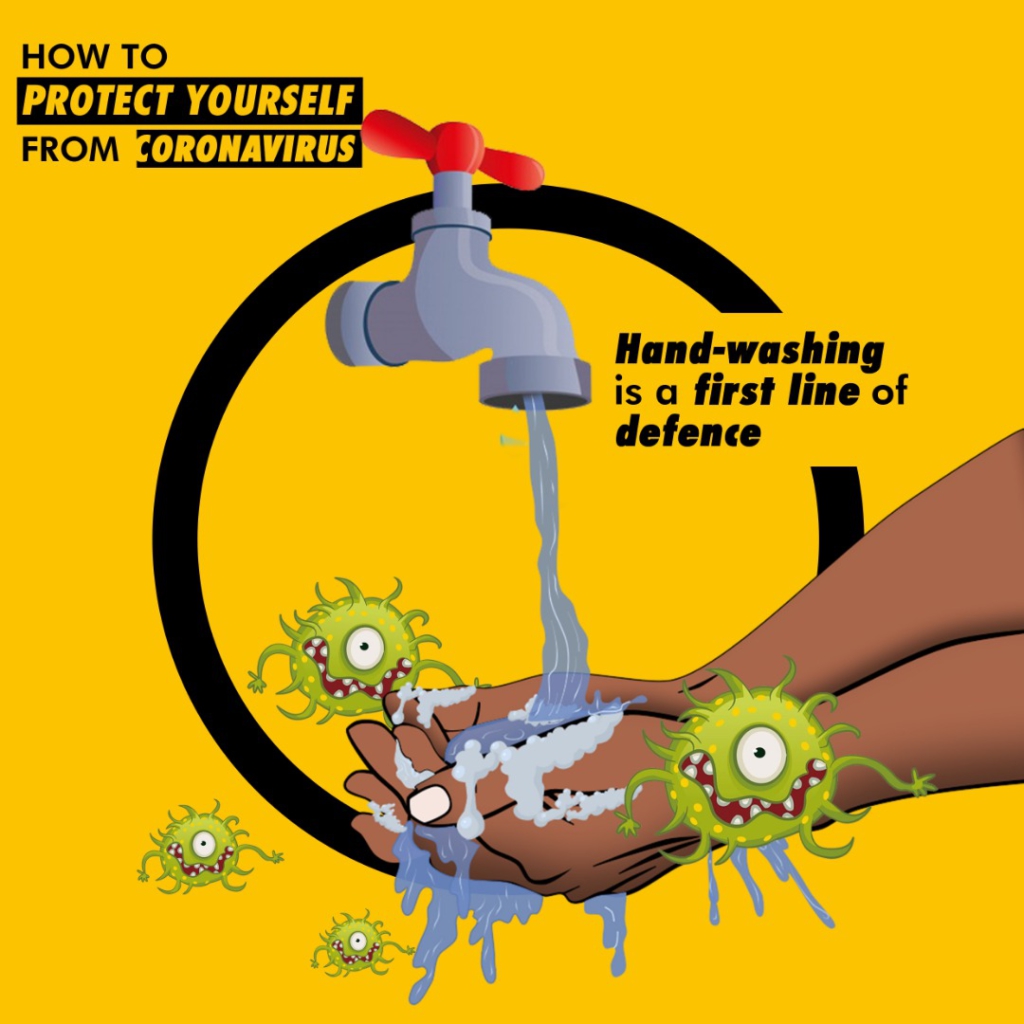
Make handwashing a priority
Always endeavour to wash your hands regularly. Wet your hands with clear running water and soap. Lather your hands and scrub the back of your hands, between your fingers and under your nails. After this, rinse the lather off thoroughly and dry the water off.
Always cover your mouth when coughing or sneezing
Make it a habit to cover your mouth with a tissue when you sneeze or couch to prevent the spread of the virus. Immediately after using the tissue, dispose of it immediately in a bin and wash your hand. In the absence of a tissue, cover your mouth with an elbow to prevent contact with others
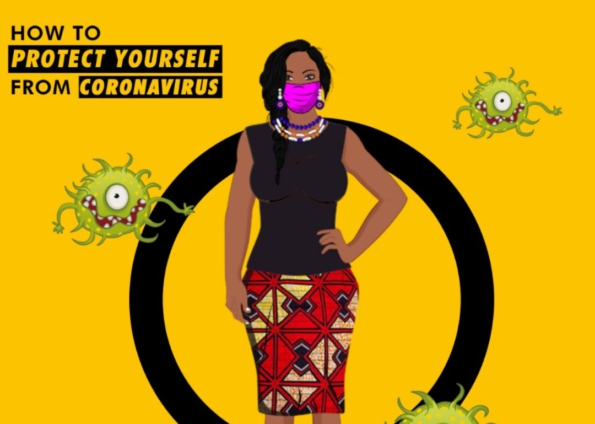
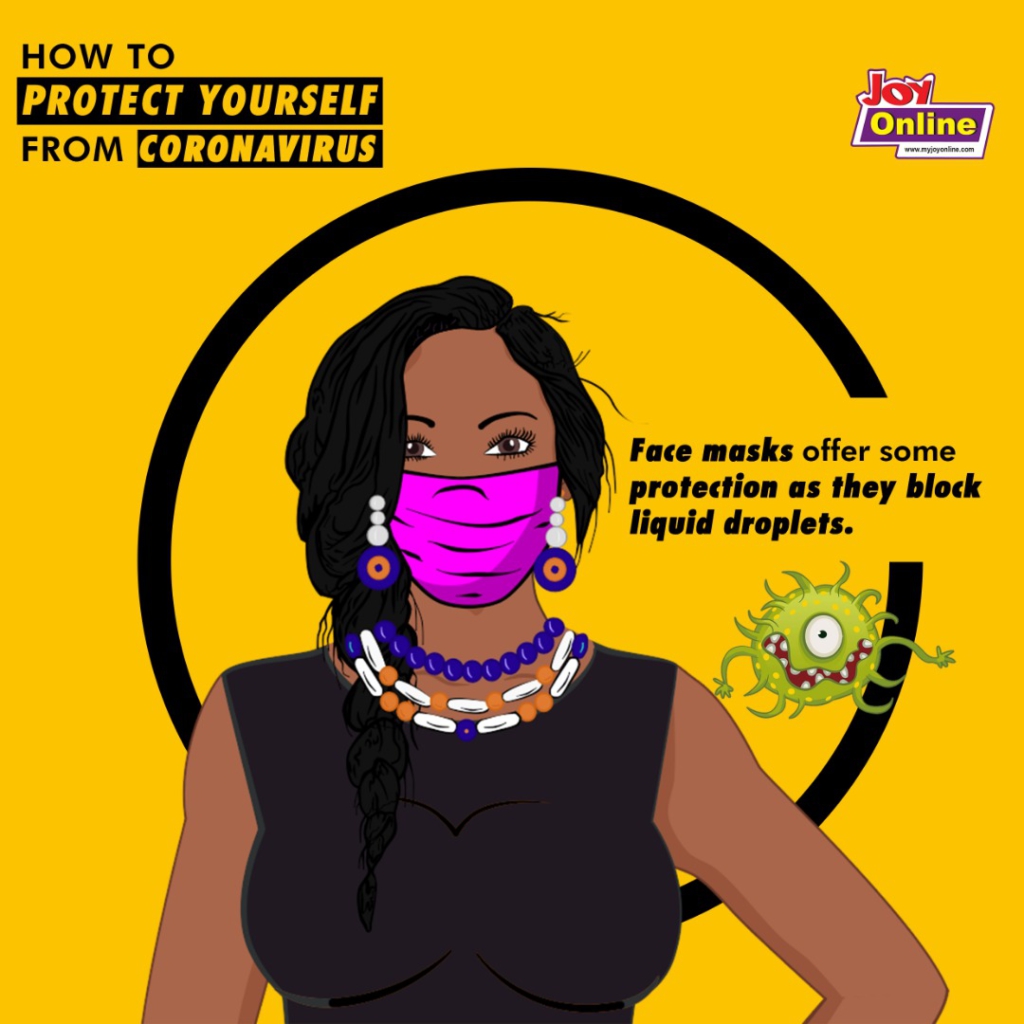
Face masks are an option
This offers some amount of safety as they block little droplet from escaping. However, the masks leave the eyes exposed and so far, there have been recorded cases of infection through the eye.
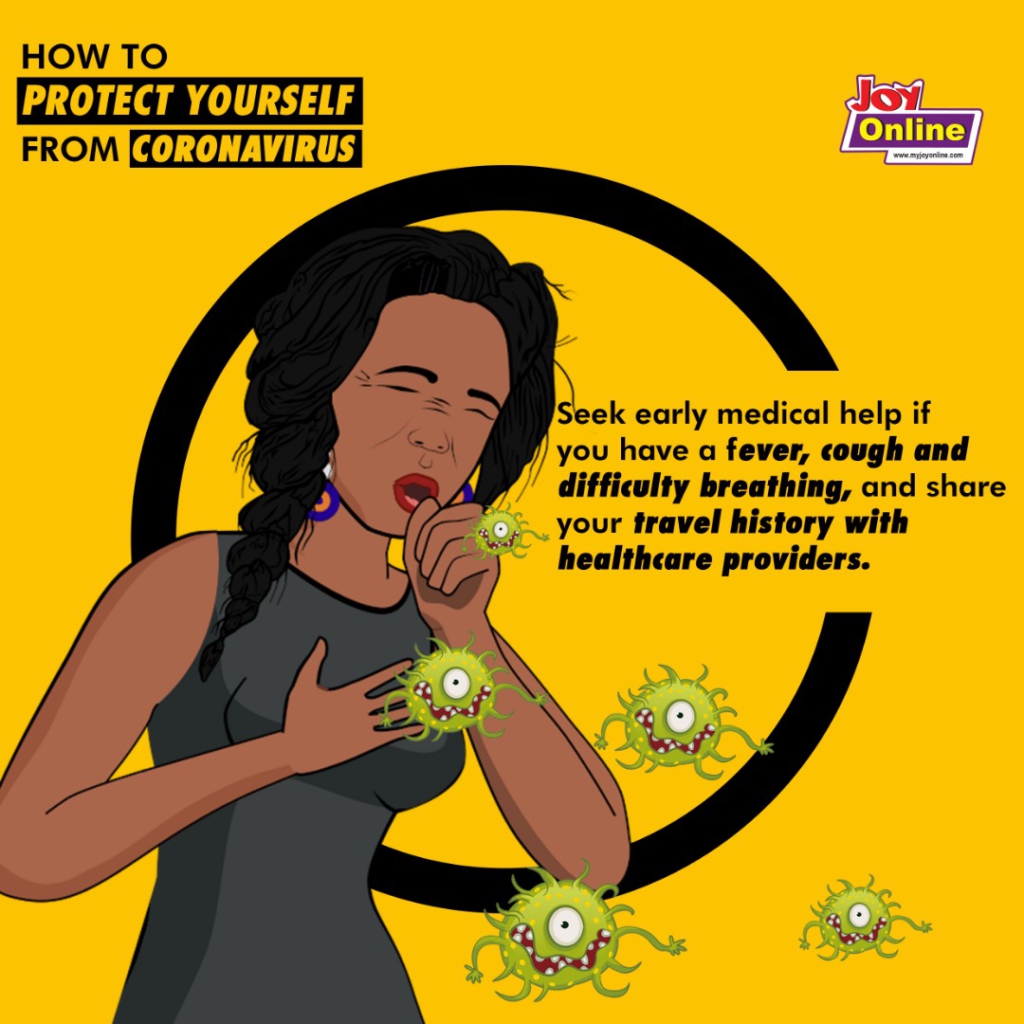
Report to a medical centre without delay
Quickly seek medical attention when you have fevers, cough and sudden breathing difficulty. It is also very important to share your recent travel history with medical professionals.
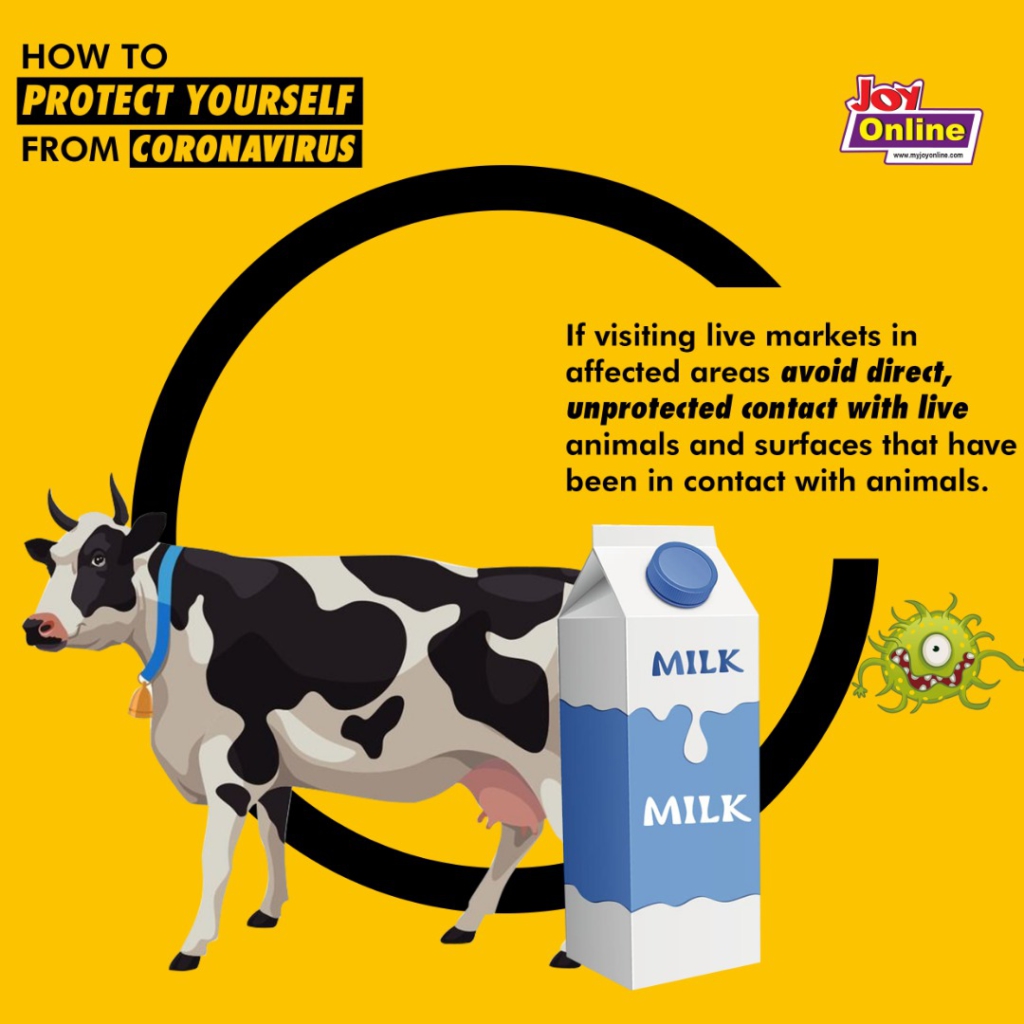
Avoid direct, unprotected contact with animals In affected areas, you must avoid touching live animals especially without any form of protection. Avoid eating raw or semi-cooked animal products in such areas as well.
If you have returned from any affected area in the world and have developed a sore throat, high temperature, runny nose or difficulty in breathing, don’t move outside your home until authorized by a healthcare provider.
Latest Stories
-
The Luckiest launches 4th edition of annual promotion with nationwide activations
24 minutes -
Ecobank calls for wider access and stronger collaboration on agricultural finance
49 minutes -
Agribusinesses need more than loans to reach their full potential – Ecobank
49 minutes -
Green finance must deliver measurable benefits to Ghanaian farmers – Ecobank
54 minutes -
Today’s front pages: Wednesday, September 23, 2026
2 hours -
Ghanaian pastor, Rev Emmanuel Boakye-Danquah on the run over alleged counterfeit currency syndicate
2 hours -
Give Teshie Desalination to Kasapreko or Accra Brewery
2 hours -
Absa Bank Ghana and IFC announce $50m facility to expand cocoa financing
2 hours -
Ghana’s economic revival: Turning financial stability into economic prosperity
2 hours -
AFCON 2027Q: Black Stars to depart Accra for Bouaké ahead of Ivory Coast clash
2 hours -
Who to allow into your home, who should come into your cyberspace? Trust is becoming unbecoming
2 hours -
At least 11 dead in mass shooting at house party in South Africa
3 hours -
MoMo Fintech Lab attracts close to 1K entries from innovators across, applications end on Sept 30
3 hours -
Black Stars face Ivorian test as injuries force major squad changes
3 hours -
Save Nations Foundation donates learning materials to Nooria Islamic Basic School, calls for more support
3 hours