

Audio By Carbonatix
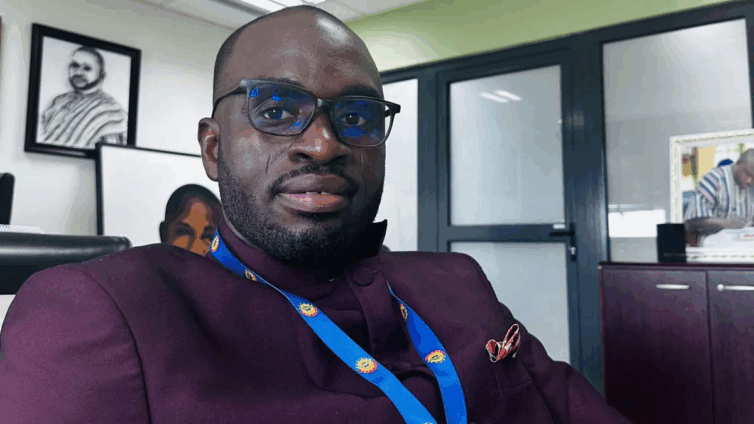
The macroeconomic stability Ghana is currently experiencing is driven more by the IMF programme than by any exceptional policy brilliance of the government, Walewale MP Dr Tia Kabiru has argued.
Speaking on Joy News’ PM Express on Wednesday, the NPP lawmaker said while the economy has recorded some gains, those outcomes are neither new nor unique in the life of a first-term government.
“To be blunt, the economy has achieved some successes to that extent, you will give credit to the managers of the economy. But is it novel? Is it the case that it has never been done in any first year of a government? And the answer is no,” he said.
Dr Kabiru cautioned against what he described as an exaggerated narrative about current economic performance, insisting that similar, and in some cases stronger, indicators had been recorded in the past under IMF-supported programmes.
He pointed to the period between 2017 and 2019, noting that Ghana experienced growth, primary budget surpluses, and positive macroeconomic indicators, all under IMF arrangements.
“In 2017, we had similar euphoria around the first budget. We had growth that was far in excess of what we are experiencing now. We had a primary budget surplus and all the positive indicators. But we have to also know that in all these years, we had IMF-supported programmes,” he said.
He warned against creating the impression that Ghana’s current stability is unprecedented.
“Whilst we give credit, let us not create a sense that this is the first time, in a government’s first year in office, that we are having this kind of result,” he added.
Dr Kabiru compared public sentiment then and now, citing approval ratings to reinforce his argument.
“The euphoria around the 2017 budget, and the outcome of that budget, with the greatest respect, was far more than what we are experiencing. Approval rating for the president at the end of his first year, according to Afrobarometer, was 70 per cent. Here we are having 67 per cent,” he said.
Despite his criticism, he said he was not dismissing the gains entirely.
“That notwithstanding, I do not want to diminish the impact, the growth, the macroeconomic and price stability that we are experiencing,” he said.
However, he insisted that any honest assessment must place the IMF programme at the centre of the recovery.
“If anyone wants to say that anything has contributed to this without first acknowledging the IMF-supported programme we have, which has served as an anchor, which is the big man in the house driving whatever we do, then I disagree,” he said.
He argued that without the programme, Ghana could easily slide back into fiscal indiscipline.
“But for the programme, we may have to see some government fiscal indiscipline,” he added.
Dr Kabiru said the President and the Finance Minister deserve credit for sticking to the programme, but not for portraying the recovery as entirely home-grown.
“The fact that the President and the Finance Minister have committed to the programme is worthy of commendation. But for me, we should not create a sense that it is the first time it’s happening,” he said.
He also stressed that the recovery should be viewed cautiously.
“We should only hope and pray that it is sustainable. We shouldn’t be looking at the recovery as something that we should celebrate over,” he said.
Dr Kabiru said some credit must also go to the previous government, which initiated the IMF programme now anchoring the economy.
“There is a programme that the previous government initiated that the previous government must actually also take some of the credit for,” he said.
Ultimately, he argued that the true test of the economy lies ahead.
“Let’s see how we move into the second and third year. If the government should put in the third year, then we would know the true state of the economy, and whether or not the commendation we are giving now should be temporary or permanent,” he added.
Latest Stories
-
GPL 2025/26: Dreams FC stage stunning comeback to hammer Eleven Wonders
59 minutes -
Livestream: The Probe examines Kumasi’s looming water crisis
1 hour -
MTN Ghana gears up to lead Africa’s AI revolution
1 hour -
Philanthropist Alhaji FuZak donates Da’wah bus to Ambariya Sunni community
1 hour -
GUTA calls for suspension of Publican AI system over trade disruptions
1 hour -
TTAG raises alarm over proposed recruitment of 7,000 teachers, demands national posting roadmap
2 hours -
Civilians feared killed after reports of air strike on Nigerian market
2 hours -
Bishop Simon Kofi Appiah installed as new Jasikan Diocese Bishop
2 hours -
Trump’s Strait of Hormuz blockade threat raises risks and leaves predicaments unchanged
2 hours -
US Court backs extradition of former MASLOC CEO Sedina Tamakloe-Attionu to Ghana
2 hours -
Seven arrested as NAIMOS dismantles illegal mining camp, seizes firearms at Boin River
2 hours -
Fire erupts at Madina Ritz Junction, destroys multiple wooden structures and containers
3 hours -
Daniel-Kofi Kyereh returns from long-term injury, registers assist for Freiburg U23
3 hours -
Knifeman calling himself ‘Lucifer’ slashes three at NYC’s Grand Central
3 hours -
Brands are built from within to without
3 hours