

Audio By Carbonatix
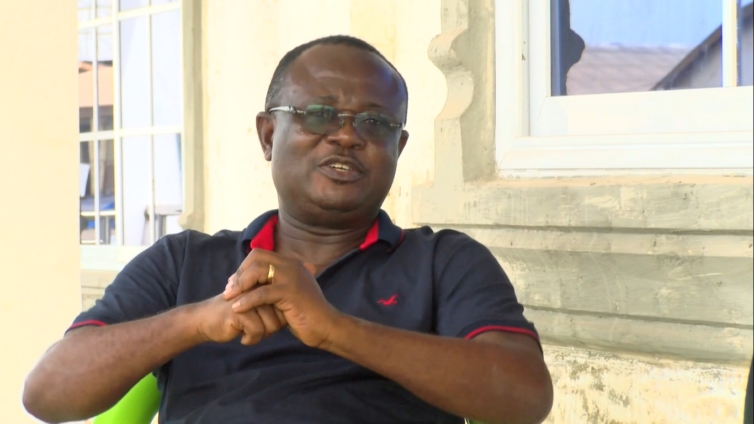
The immediate past First Deputy Speaker of Parliament and Chairman of the Appointments Committee, Joseph Osei Owusu, has expressed concerns over the demeanour of his successor during committee proceedings.
In an interview on Joy News’ Upfront on Thursday, January 16, he described Bernard Ahiafor’s approach as unnecessarily aggressive and contrary to his own style of leadership.
“I haven’t even watched any of the proceedings,” Osei Owusu said, “but I’ve seen, in a particular case, somebody forwarded to me, that my friend chairman was needlessly raising his voice and showing a tendency to show machoism.”
He added, “My style is different. We are all colleagues, and our duty is to ensure that the person qualifies in accordance with the Constitution and that he can do the work he has been nominated to do.”
The former chairman stated that his approach to leadership on the Appointments Committee was rooted in professionalism and collaboration.
“I was a bit surprised to see how hard-faced the chairman of the committee was addressing one of the members of the committee. That is not my style,” he stated.
Responding to comments about his own tenure as chairman, Mr Osei Owusu acknowledged his strict adherence to rules but dismissed claims that he lacked flexibility.
“I believe strongly in the rules. I believe strongly in law and order. So if you’re going off board, I’ll bring you back,” he explained.
“I insist that you ask your question. You cut down on the comments before the question.”
Reflecting on his methods, he attributed his no-nonsense approach to his legal background.
“Probably from my experience as a lawyer, I make sure that the question is straight to the point. I don’t like going through the bush before you come to the main road,” he said.
“In the end, people spend five minutes on commentary and ask a one-minute question. Sometimes, they answer the question before they ask it. Those are the kinds of things I tried to avoid.”
While Mr Osei Owusu stopped short of issuing direct advice to Mr Ahiafor, his critique hinted at the need for a more measured and collegial approach.
He underscored that the role of the committee is to ensure nominees are constitutionally qualified and capable of performing their duties, not to engage in unnecessary confrontations.
The remarks have drawn attention to the contrasting leadership styles within the Appointments Committee, highlighting the challenges of balancing adherence to rules with effective communication and decorum.
Latest Stories
-
Ghana repatriates 120 foreign nationals rescued from suspected cybercrime centres
1 minute -
NPP rejects Emelia Agbenyo’s appointment as Deputy EC Chair, demands withdrawal
6 minutes -
EOCO grants Suame MP John Darko enquiry bail in GH¢27m SIC investigation
9 minutes -
NPP cannot question EC appointment after appointing own people to Commission – Kwakye Ofosu
15 minutes -
BoG deepens public trust with regional stakeholder forum in Techiman
24 minutes -
‘We have turned the tide’ – Ato Forson says Ghana is ready to take off
29 minutes -
Police arrest man captured in viral video assaulting wife in Agona Nkwanta
31 minutes -
KATH Mother and Baby Unit construction stalled for 14 months over unpaid contractor arrears
45 minutes -
Government wanted to ‘tilt the balance’ with new EC appointments – Kwakye Ofosu
51 minutes -
Angry Tema Community 25 residents threaten to sleep at GWL over water shortage
1 hour -
BoG takes financial literacy drive to Techiman, vows to protect depositors
1 hour -
‘Stop the distractions’ – Akosua Manu demands answers over GH¢49.7m South Africa evacuation cost
1 hour -
Formula 1 to return to Africa with Rwanda Grand Prix in early 2030s
1 hour -
Mahama says Ghana is safer today as he commissions 85-bed ward at Police Hospital
1 hour -
LA 2028: Black Queens face Zambia in final Olympic qualifier
1 hour