

Audio By Carbonatix
Large-scale development projects like dams, highways, mining, and energy infrastructure often trigger forced land acquisition and displacement, leaving settlers discontent.
The Akosombo Dam construction, for instance, forced more than 80,000 people out of ancestral settlements with their livelihood broken, making the pursuit of national big infrastructure more problematic for settlers.
Against this backdrop, KNUST, GIMPA and the World Bank have introduced a new professional training program promising tools to prevent land mismanagement and resettlement setbacks.
National infrastructure projects and environmental disasters often disrupt settlements due to weak legal and structural frameworks, poor planning, and inadequate compensation.
This has historically left many communities displaced with deepening poverty and conflicts, creating long-term social and environmental harm.
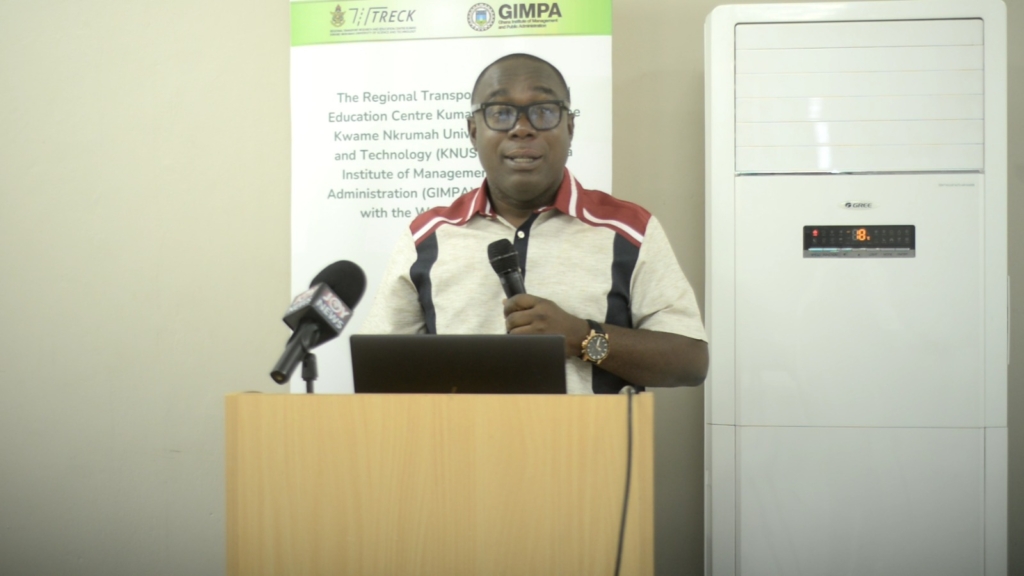
The Regional Transport Research and Education Centre Kumasi (TRECK) of the Kwame Nkrumah University of Science and Technology (KNUST) and the Ghana Institute of Management and Public Administration (GIMPA), in partnership with the World Bank, have launched a Professional Certificate Course on Environmental and Social Risk Management (ESRM): Land Acquisition and Involuntary Resettlement.
ESRM has become necessary to prevent these unintended consequences and ensure development does not come at the cost of human and ecological well-being.
Provost of the KNUST College of Engineering, Prof. Kwabena Britwum Nyarko, said its has become critical to equip land and governance practitioners with practical skills to reduce the unintended consequences of acquisition and resettlement.
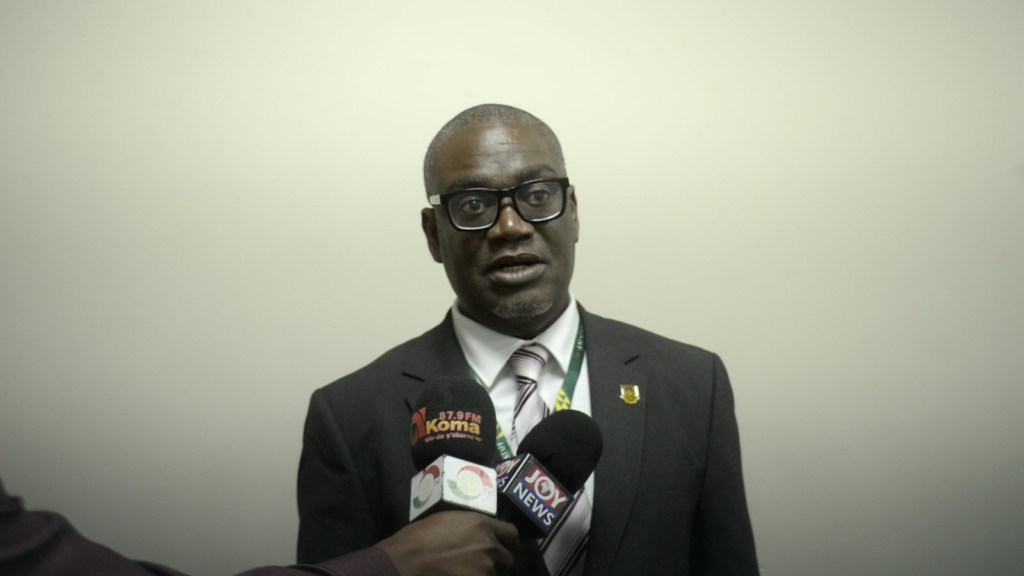
“This course is to equip those who work in the land space to be able to manage the process effectively and efficiently to reduce unintended consequences.
"Essentially, it is to equip the participants to learn from each other to handle problems of land management, use the knowledge acquired to improve processes,s including the legal, social and economic aspects. Relocation, resettlement and development don't affect livelihood adversely,” he said.
The professional training will equip participants witg skills for adequate consultation, compensation, or livelihood restoration.
Project Environmental Specialist at the World Bank, Dr. Emmanuel Anyang Abeka, indicated that the initiative ties into the Bank’s wider mission to ensure sustainable development.
“We place great emphasis on sustainable development. It is reflected in our mission and vision on poverty reduction, shared growth and a livable planet. Land social issues and issues of inclusivity are linked with sustainability.
“We supported the Ghana environmental and social frameworks overview and assessment. And the findings and recommendations point to capacity and legislation needed in the land and social and environmental management space,” he said.
Participants, including policymakers, gender advocates, land managers and economic experts, were drawn from across Africa to foster regional solutions to the persistent development challenges that affect many African countries.
Participants say the training will allow them to effectively respond to their communities.
“There are disparities when it comes to resettlement. And that needs to be addressed, without women being left behind. So, this course is to address this gap,” said a participant from the Liberian Ministry of Gender.
Latest Stories
-
Police arrest suspect over jewellery theft during fire outbreak
2 hours -
EOCO returns Hanan’s £6,700, GH¢2,750 and devices after defence challenge
2 hours -
Opplift Youth Entrepreneurs Summit 2026 equips entrepreneurs with skills, mentorship and support
2 hours -
Rival clubs want range of punishments for Man City
3 hours -
Tear gas in Paris and Marseille as school protests grow across France
3 hours -
Kane inspires England to win over Czech Republic in UEFA Nations League
3 hours -
Finland orders halt to work on two Google data centres
3 hours -
Substitute Merino scores twice as Spain win in Croatia
3 hours -
Ronaldo wants Portugal ‘punishment’ but not retiring
3 hours -
White House defends Trump comment to let Iran ‘take out’ LA and San Diego
4 hours -
Asos confirms hackers sent ‘unauthorised’ notification to app users
4 hours -
US televangelist Jim Bakker, disgraced from sex scandal and fraud, dies at 86
4 hours -
Congolese-born golfer to represent Ghana at Turkish Airlines World Cup grand final
4 hours -
Amazon wins global rights to stream Emmys in six-year deal
4 hours -
European Film Festival returns to Ghana after a 5-year break
4 hours