

Audio By Carbonatix
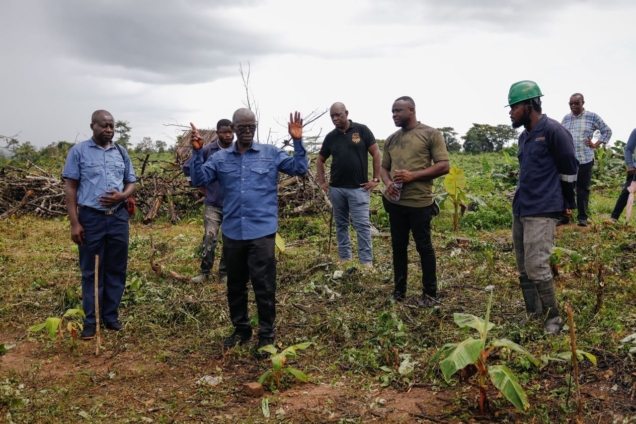
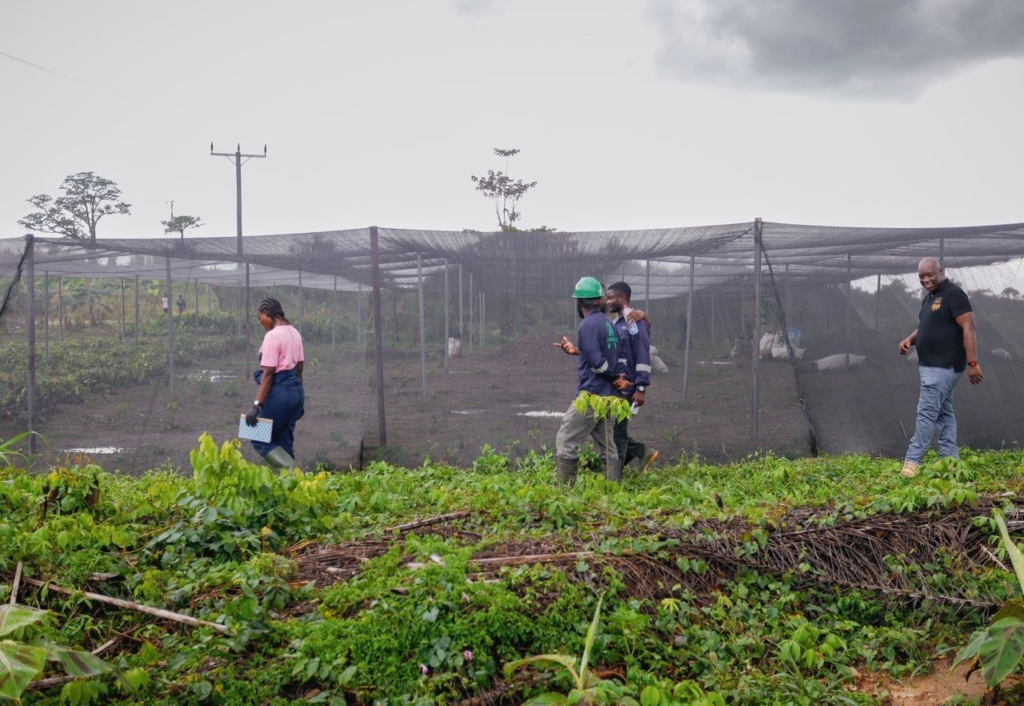
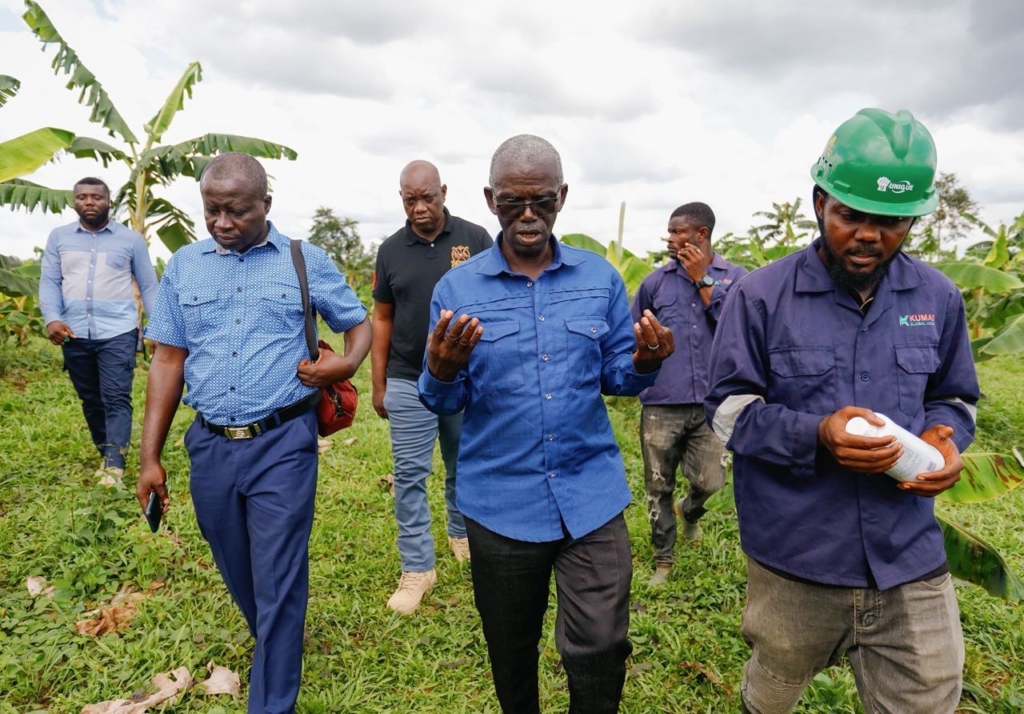
Cocoa seedlings require a lot of attention. That’s what farm manager Alex recently confirmed when I visited the farm he has nurtured close to Mankessim in the Central Region to introduce the water retainer, a premium soil conditioner. He walked me through the young plants — explaining shade control, watering discipline, soil nutrition and pest management.
“Sir, if you neglect them at this stage,” he said, “you lose the future harvest.”
It struck me that cocoa policy is no different from cocoa seedlings.
It requires careful nurturing.
Government, led by the Hon. Cassiel Ato Forson, has announced that from the 2026/2027 season, 50% of Ghana’s cocoa beans must be processed locally, alongside reviving PBC and CPC.
On paper, this is bold. Ghana remains the world’s second-largest cocoa producer after Côte d’Ivoire. For decades, we have exported raw beans and imported finished chocolate at a premium.
Value addition at home is the right ambition.
But like seedlings, policy must survive real conditions.
Processing 50% locally works only if three realities align.
First, processors must buy beans at competitive prices. Otherwise, we may as well just sell the beans to other willing buyers. Yet if they purchase at high domestic prices but sell into competitive global markets, margins shrink and factories struggle. So at what price do we sell the beans to processors? And at what price will we sell the processed cocoa?
Second, global buyers must prefer Ghana’s processed cocoa — even if it costs more — over simply buying cheaper raw beans from other producing countries. Nations like Nigeria, Cameroon, Ecuador and Indonesia produce cocoa, in some cases at lower cost. Multinationals optimise for price, logistics and efficiency — not patriotism.
If it is cheaper for a European or Asian manufacturer to import raw beans elsewhere and process them at home, our processing journey suddenly becomes commercially fragile.
Third, will the government act as market maker? Will it secure structured offtake agreements for processed cocoa same as it does for the beans? and will it support export marketing and provide working capital guarantees to processors?
Processing is not transformation unless it is profitable and globally competitive.
Alex’s seedlings reminded me: growth requires consistent care, discipline and market awareness.
If we nurture this policy with pricing realism, productivity improvements and global market alignment, Ghana will move from beans to bars sustainably and successfully.
Bold policy is good.
Sustained competitiveness is even better.
Latest Stories
-
Gender Ministry launches breast cancer campaign, pushes support over stigma
13 minutes -
Feed Ghana Programme cuts food import dependence
17 minutes -
Mahama welcomes Global Mercy Hospital Ships back to Ghana
21 minutes -
Tourism Minster calls for improved maintenance, consistent storytelling at tourist sites
27 minutes -
Katamanso Police Station appears complete outside but unfinished inside – Aidoo
33 minutes -
COMAC wants fuel taxes frozen to ease pressure on consumers
51 minutes -
COMAC pushes for crude oil revenue windfall to support struggling downstream sector
1 hour -
Gold slips before US payrolls data, set for second weekly loss
1 hour -
New Mexico wants Meta to pay up to $40 billion in penalties after data privacy trial
2 hours -
Oil rises slightly as market weighs mixed supply signals
2 hours -
Jordan ‘Last Dance’ jersey sells for £9m
2 hours -
Nigeria charges man with running fictitious government agency
2 hours -
COMAC renews call for full deregulation of fuel prices
2 hours -
Putin warns West that Russia is ready to use every weapon to protect Kaliningrad
3 hours -
Fuel sector overcrowded as 245 OMCs compete for market share – COMAC CEO
4 hours