

Audio By Carbonatix
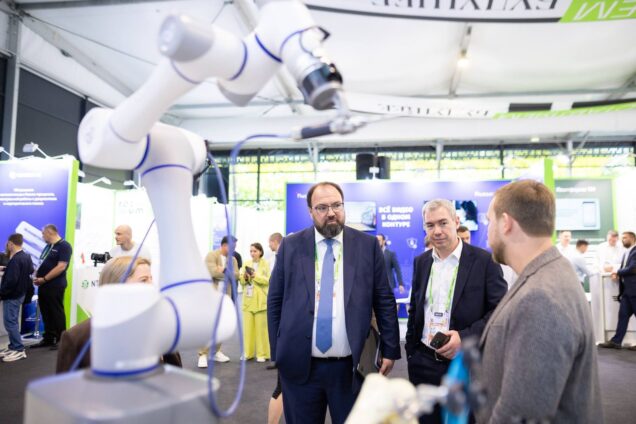
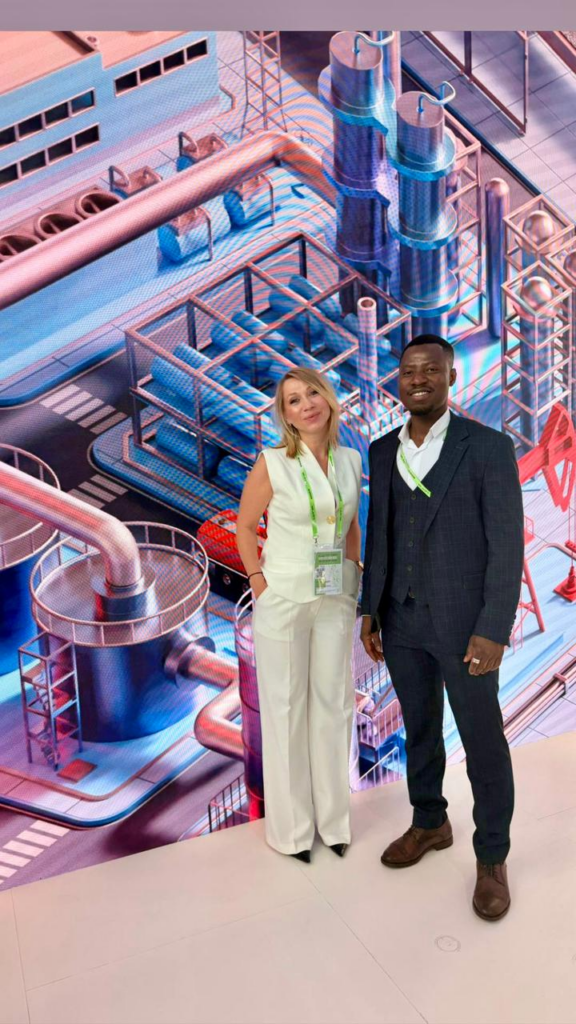
It was a great privilege to participate in one of Russia’s major Tech conferences, the “Digital Industry of Industrial Russia” (DIIR-2026), held in Nizhny Novgorod, a city known as the capital of sunsets because of its beautiful and natural views during sunset.
The forum brought together some of the leading tech giants, industrial companies, government officials, innovators, and international participants to discuss the future of digital transformation, industrial technology, artificial intelligence, cybersecurity, digital infrastructure, and technological sovereignty in a rapidly changing global landscape.

Taking part in the conference gave me the opportunity to meet and talk with some Russian tech and industrial companies and also had exposure to technologies in areas like artificial intelligence, cybersecurity, industrial digital platforms, smart manufacturing systems, automation technologies, and data-driven infrastructure solutions.
One of the important aspects of the conference was the exchange of ideas with experts on how technology and digital tools can act as bridges for international cooperation, business growth, education, innovation exchange, culture exchange and more.
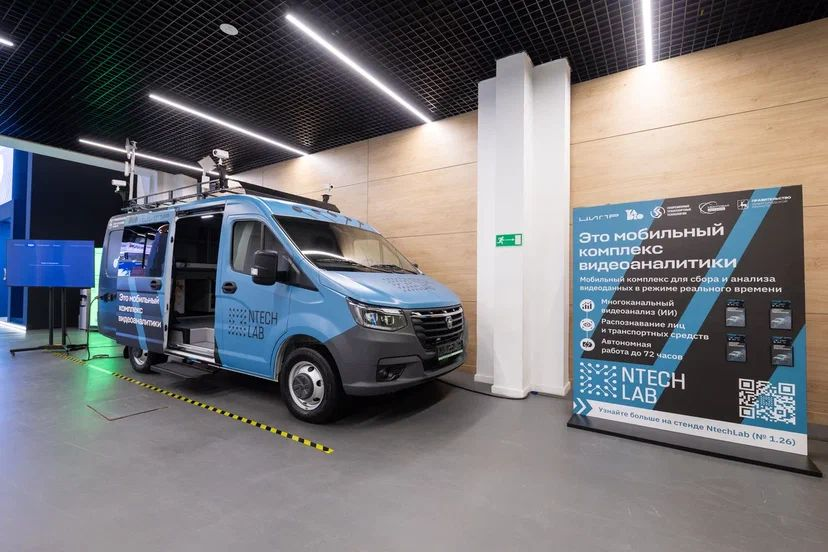
I was personally impressed by the innovation exhibition, which showcased various Russian technological solutions that are already transforming the country’s IT and industrial sectors.
From software engineering and cybersecurity systems to digital industrial platforms and smart city technologies, it became clear that Russia has significant technical skills and industrial capabilities that could be of great value for partnerships with Ghana and the African continent as a whole.
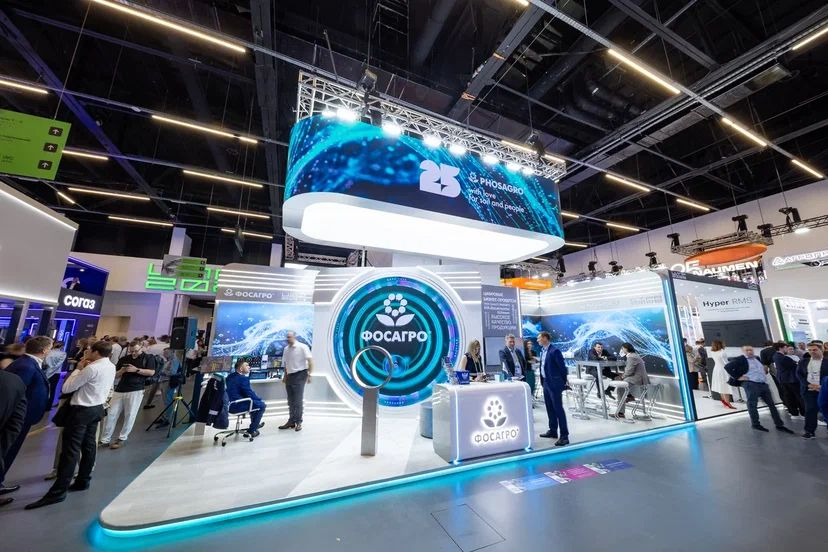
Most of the innovations presented at the conference could help solve most of the pressing practical issues facing Ghana and Africa at large.
For instance, digital transport management systems and AI based traffic monitoring technologies could improve traffic flow and reduce congestion in major Ghanaian cities like Accra, Kumasi and others. Smart surveillance systems, automated traffic coordination, and integrated public transport platforms could greatly enhance urban mobility, logistics efficiency, and public transport management.
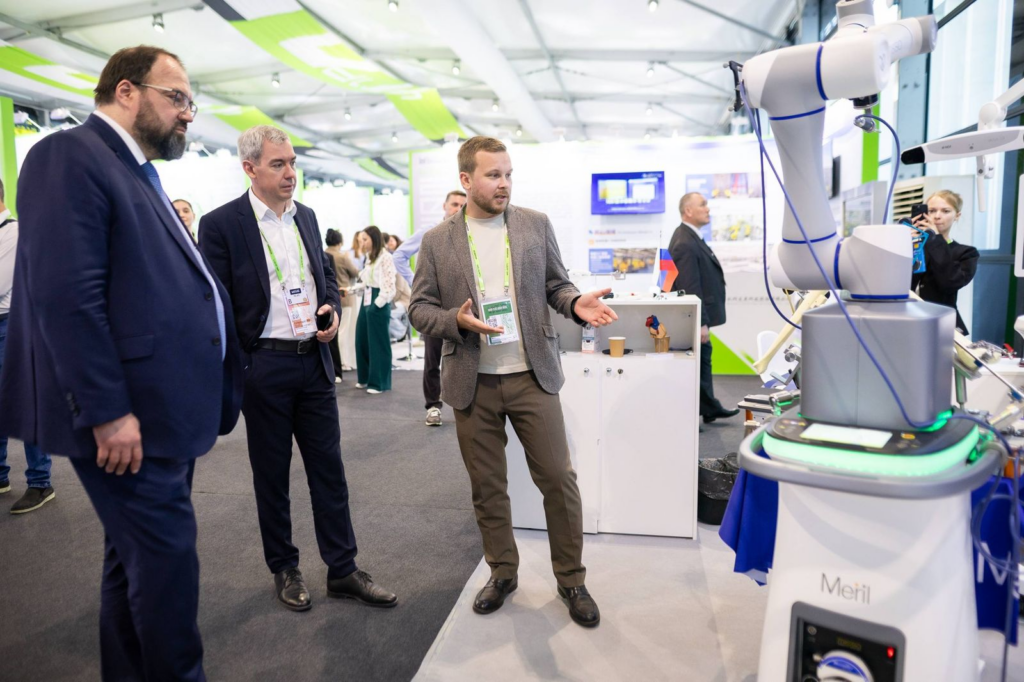
In governance and public administration, digital platforms and transparent electronic systems could help minimize bureaucratic inefficiencies and corruption by reducing excessive manual processes, improving accountability and increasing transparency in public service delivery and procurement. Many countries are starting to use digital governance tools to build trust between citizens and public institutions.
A key observation from the forum was the emphasis on Russian technological solutions not just for industrial growth, but for enhancing the everyday lives of citizens through digital public services, smart urban management systems, and integrated social infrastructure.
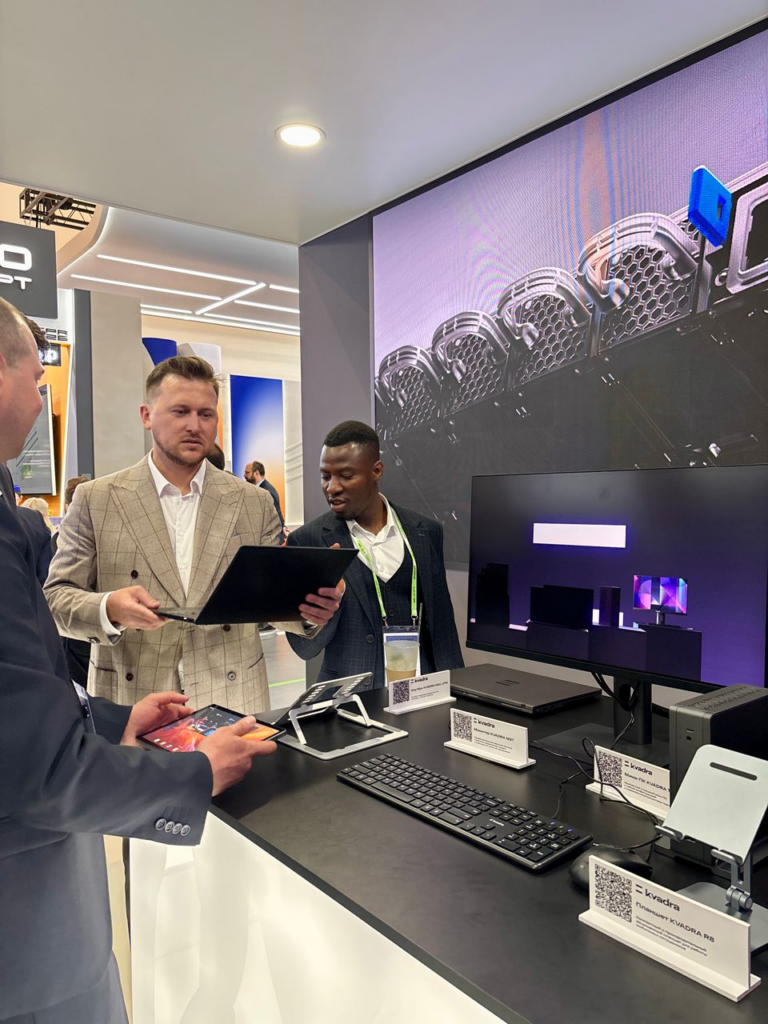
Russia has created several modern digital platforms designed to make interactions between citizens and the state easier. One notable example is “Gosuslugi” a large-scale digital public services platform that lets citizens access government services online in an efficient and transparent way.
At the same time, Russia is expanding its “Smart City” technologies to improve housing and utility services, public safety systems, city infrastructure monitoring, transport coordination, and urban management efficiency.
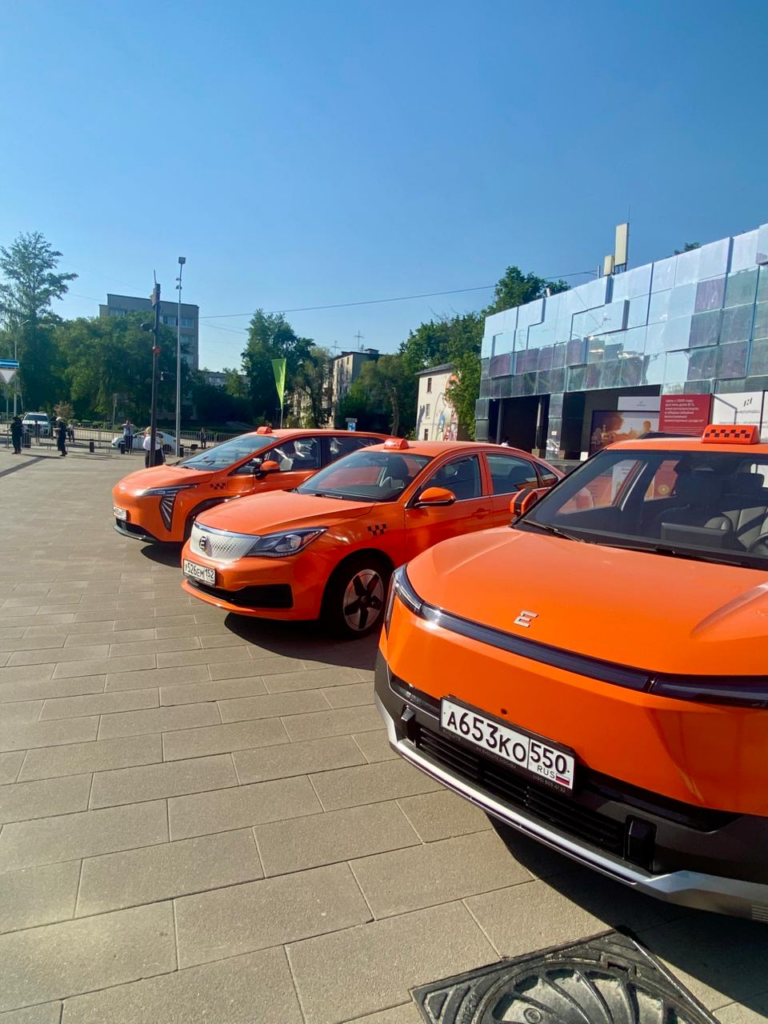
Many of these technologies could potentially be well suited for the African context, including Ghana, especially in areas like urban development, public administration, transport, social services and digital governance. Several company representatives expressed interest in exploring opportunities for integration in African markets and developing long-term partnerships based on technology sharing, modernization and mutually beneficial collaboration.
Interestingly, many of the solutions introduced at the forum were developed mainly for domestic use in Russia. This shows how technological innovation could be used to address practical, everyday challenges faced by citizens.
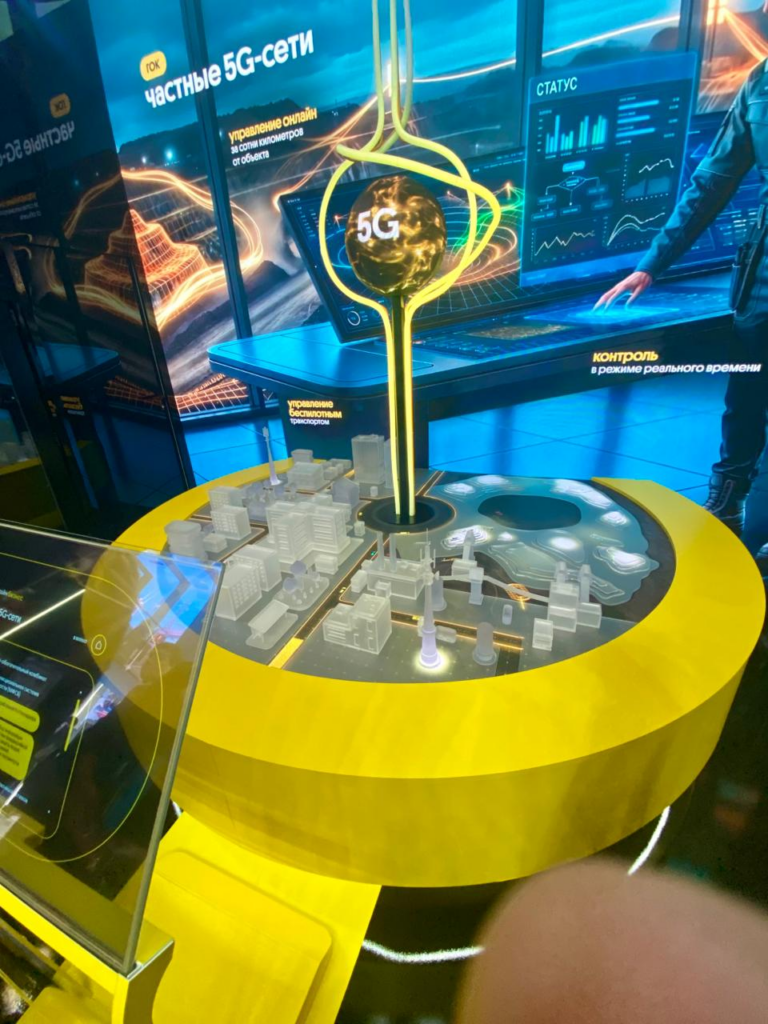
It is important for countries like Ghana to learn from successful international experiences and be open to testing and implementing modern tech solutions that could improve efficiency, transparency and quality of life.
The discussions about adapting Russian technologies for Ghana and other African countries generated genuine interest from the Russian side, particularly in sectors related to public services, urban infrastructure, housing and utility management, transport systems, and digital social services.

Most importantly, the conversation about technological adaptation should not be viewed solely from an economic point of view. At its core, it is also a social issue. The better technology enhances the daily lives, convenience, security, and opportunities of citizens, the stronger the foundations for national growth will be.
In education, technology holds great promise for Ghana and Africa as a whole. Digital learning platforms, artificial intelligence tools, cybersecurity education programs, and virtual laboratories could improve access to quality education, especially for students in underserved communities.
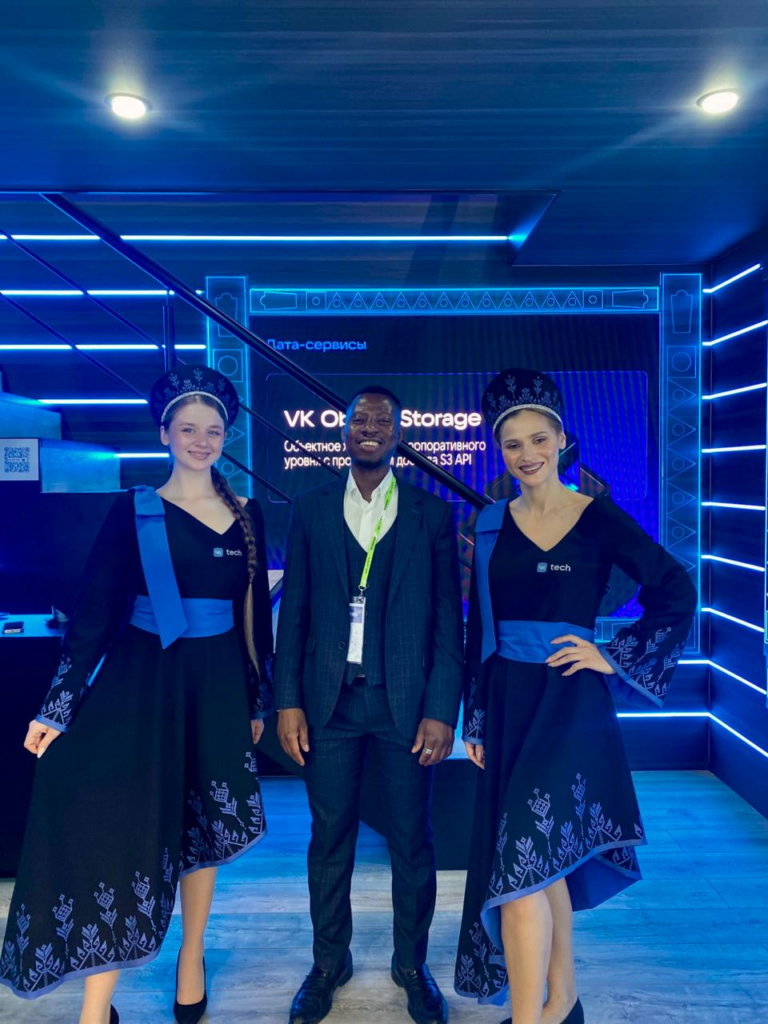
Partnerships between Russian and African universities and tech institutions could also foster knowledge exchange, technical training, research collaboration, and STEM development for African youths.
Cybersecurity was another major focus of the conference. As African economies become more interconnected through mobile banking, fintech platforms, e-commerce and digital public services, cybersecurity will increasingly play a vital role for protecting financial systems, government entities, businesses, and citizens from cyber threats, fraud and abuse. Russia’s experience in cybersecurity technologies may present great opportunities for collaboration in this area.

In agriculture, energy and logistics, digital technologies and AI-driven systems could boost productivity, forecasting, resource management, and supply chain efficiency. Smart agricultural technologies, for example, could help farmers with climate monitoring, precision farming, and better market coordination.
Another crucial observation from the conference was the growing link between technology, diplomacy, and international economic collaboration. Forums like DIIR-2026 are becoming strategic platforms where relationships, partnerships, and future economic avenues are gradually being developed.
As global technological competition intensifies, Africa must remain proactive in diversifying its international partnerships and exploring emerging technology ecosystems that can contribute to the continent’s long-term digital and industrial growth.
There are ongoing discussions about the possibility of implementing some selected Russian technologies within African nations, especially in housing and urban management, transport infrastructure, smart city development, cybersecurity, and digital public services.

In summary, the conference presented valuable insights into what the Russian tech ecosystem can offer Ghana and Africa as a whole. Beyond the innovations, the event highlighted the importance of dialogue, collaboration, and the role technology can play in shaping future Africa-Russia relations.
The future of partnership between Russia and Africa should not be limited to only diplomacy or trade. Technology development, innovation, education, and digital infrastructure should become the key foundations for the next phase of Russia-Africa cooperation.
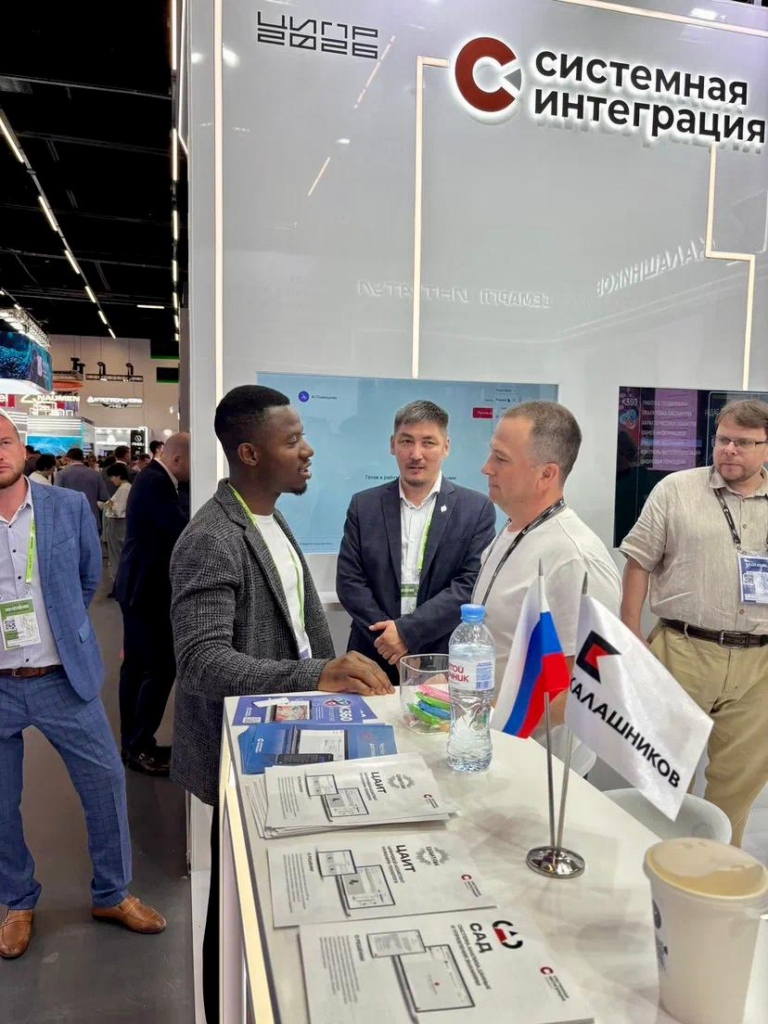
I hope to continue discussions with the companies and experts I had the opportunity to meet at the conference about future opportunities for collaboration and expansion into African markets.
The author, Nelson Kumaga, is a Ghanaian, working as an IT Specialist in Russia and Strategist for Africa - Russia Business Cooperation.
Latest Stories
-
‘I never said I’ll declare a state of emergency’ – President Mahama on galamsey
7 minutes -
Bobby Banson condemns EOCO’s attempted arrest of Nana Agyei Baffour Awuah
32 minutes -
When Kumasi begins to look like somebody is in charge
32 minutes -
Parliamentary probe into cocaine seizure would be a waste of time – Inusah Fuseini
39 minutes -
Cocaine seizure: Focus on Ghana’s reputation, not partisan blame – Osae-Kwapong
45 minutes -
Two Invitations, Three Interrogations: Did Baffour Awuah tell the whole story?
54 minutes -
Drug cartels may be seeing Ghana as easy route – Lenin Anane Agyei
2 hours -
Ghana risks gaining notoriety as drug-trafficking hub – Bobby Banson
2 hours -
Government dismissed my drug trafficking warning, then tried to arrest me – Ntim Fordjour
2 hours -
Day Two: 3rd Republic Bank-JoyNews Habitat Fair Clinic underway at Junction Mall
2 hours -
NACOC addressing inherited gaps in fight against drug trafficking – Deputy Director-General
2 hours -
Taekwondo goes to school as GTF launches five-region youth campaign
2 hours -
The issues Mourinho is struggling to fix at Real Madrid
2 hours -
Hundreds throng EducationUSA College Fair in Kumasi in pursuit of abroad studies
2 hours -
Drug bust: NACOC should be part of port inspection team – Twum-Barimah
2 hours