

Audio By Carbonatix
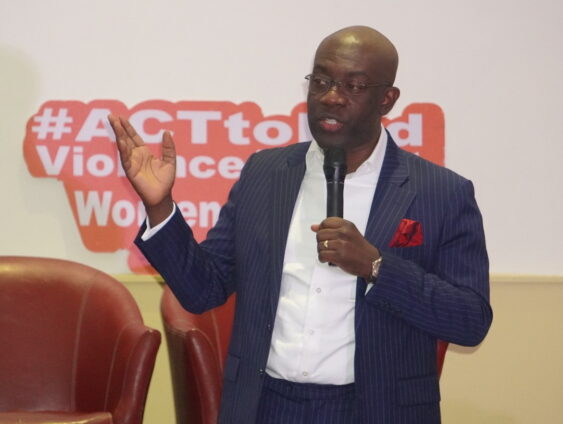
Ofoase Ayirebi MP, Kojo Oppong Nkrumah has called on West African parliaments to make gender impact assessments a standard part of the legislative process and urged female legislators across the sub-region to form a united front to push for the criminalisation of Female Genital Mutilation (FGM) in countries where the practice remains legal.
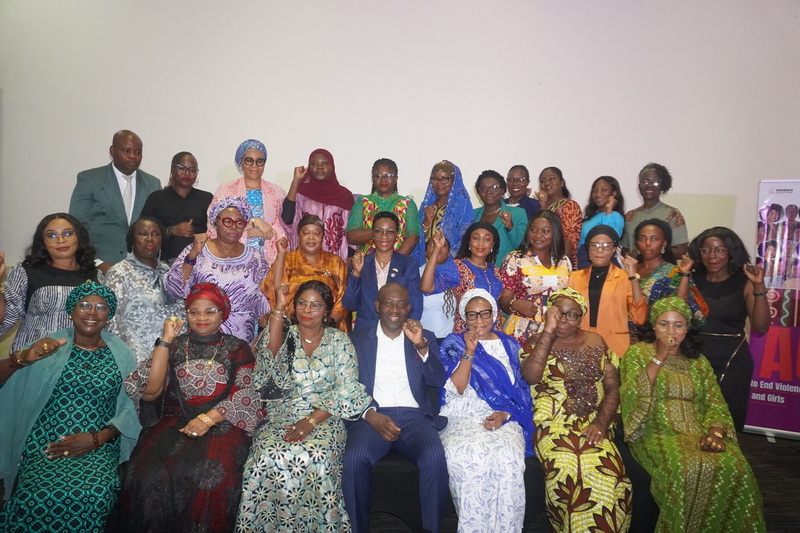
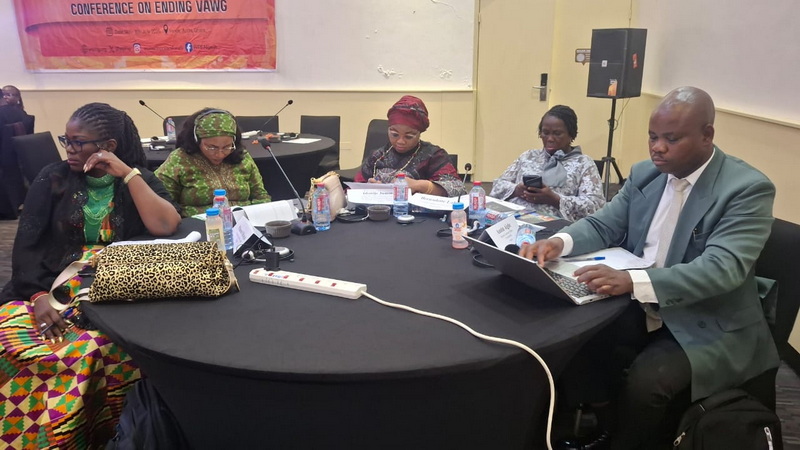
Addressing the West Africa Female Parliamentarians Peer Review Conference on Ending Violence Against Women and Girls on Wednesday, July 15, held in Accra, the former Information Minister argued that stronger legislative processes and regional collaboration are essential to advancing women's rights and eliminating harmful practices.
Speaking on "The Law-Making Process in Ghana's Parliament: Successfully Passing Bills – Examining Gender and Cross-Carpet Interests," Mr Oppong Nkrumah said passing legislation that effectively addresses gender issues requires broad political cooperation, sustained public engagement and evidence-based policymaking.
Gender audits as part of law-making
A central recommendation from his presentation was for parliaments across West Africa to institutionalise gender impact audits for all proposed legislation.
He said lawmakers should assess every bill to determine whether its provisions have different effects on women and men before it is debated and passed.
According to him, gender analysis should examine issues such as eligibility requirements, enforcement mechanisms, access to services, care responsibilities and other provisions that could disproportionately affect women or girls.
Mr Oppong Nkrumah argued that incorporating gender assessments into explanatory memoranda accompanying bills would help ensure legislation reflects the realities and demographic composition of society.
He noted that although women constitute the majority of Ghana's population, they remain significantly underrepresented in Parliament, making it necessary for legislation to consciously account for gender perspectives.
He also stressed that with women occupying fewer than 15% of seats in Ghana's Parliament, legislation affecting women cannot succeed solely through the votes of female MPs and therefore requires deliberate engagement with male colleagues across party lines.
Regional coalition against FGM
The Ofoase Ayirebi legislator also called on female parliamentarians across ECOWAS to establish a stronger regional coalition to advocate legislation outlawing Female Genital Mutilation in countries that have yet to prohibit the practice.
He said collective advocacy by women legislators would increase pressure for legislative reforms and strengthen regional efforts to eliminate violence against women and girls.
According to him, the experience of Ghana's Affirmative Action (Gender Equity) Act demonstrated that sustained advocacy, cross-party collaboration and partnerships with civil society organisations can eventually produce significant legislative reforms.
He encouraged parliamentarians to maintain such coalitions beyond the passage of laws to ensure implementation, budgetary support and oversight.
Coalition-building is key to successful legislation
Beyond gender issues, Mr Oppong Nkrumah said successful law-making depends on building coalitions rather than relying on partisan numbers.
He said Ghana's experience, particularly during the country's hung Parliament, demonstrated that legislation advances through negotiation, committee engagement, public consultation and issue-based cooperation rather than political allegiance.
He urged legislators to work closely with parliamentary committees, civil society organisations and constituents throughout the legislative process, while using town hall meetings and constituency engagements to build public support for proposed laws.
Mr Oppong Nkrumah also cited the passage of Ghana's Affirmative Action (Gender Equity) Act as evidence that sustained advocacy over many years, combined with bipartisan support and active civil society participation, can produce landmark legislation even in politically divided parliaments.
He insisted that effective legislation should be driven by broad consensus, describing every successful bill as "a coalition in legal form."
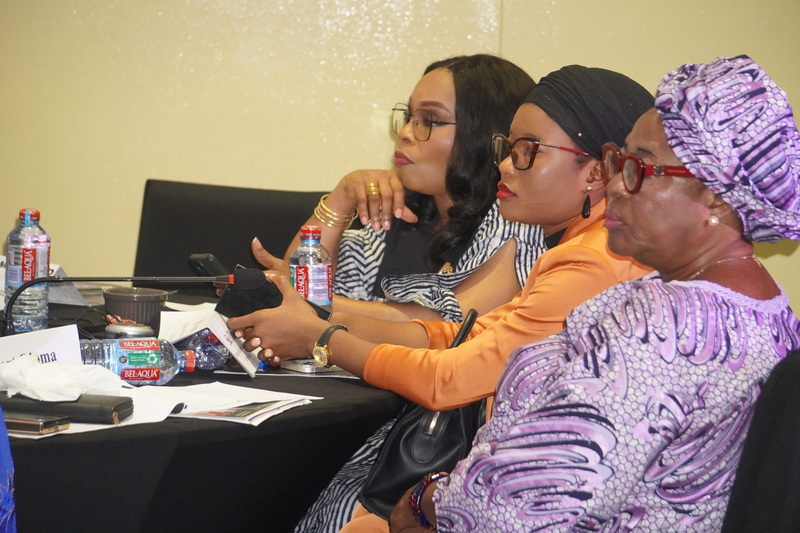
The Accra conference brought together female parliamentarians, policy experts and civil society representatives from across West Africa to share experiences and develop strategies for ending violence against women and girls through stronger legislation, oversight and public finance management.
Latest Stories
-
Nchiraa Yam festival: Two killed, 14 injured as police restore calm
3 minutes -
I draw inspiration for my songs from Reggae music – Lyrical Joe
5 minutes -
AI must not replace human judgment in public spending – BoG Governor
8 minutes -
Ghana should withdraw from 2027 AFCON – Kojo Addae Mensah
17 minutes -
Team Ghana departs Accra for Angola ahead of Karting Africa Trophy
24 minutes -
AIT President Prof Clement Dzidonu urges lifelong learning as AI reshapes work and education
26 minutes -
FWSC to meet striking teacher unions on Tuesday
28 minutes -
NPP won’t force candidates to step down – Miracles Aboagye
41 minutes -
Black Stars: Building in the sinking sands
43 minutes -
Low inflation on paper, high cost of living: How Presidents Mahama and Trump are facing stark economic reality
51 minutes -
NPP will negotiate with popular non-politicians to secure winnable candidates – Miracles Aboagye
55 minutes -
Only 5% of Ghanaians can afford housing without support – Gov’t
55 minutes -
Nigeria launches rescue after military plane crashes with 32 aboard
1 hour -
GES digitalisation already exists; restore discontinued platforms – Adutwum spokesperson
1 hour -
Police launch manhunt for 7 after deadly Bunkprugu violence
1 hour