

Audio By Carbonatix
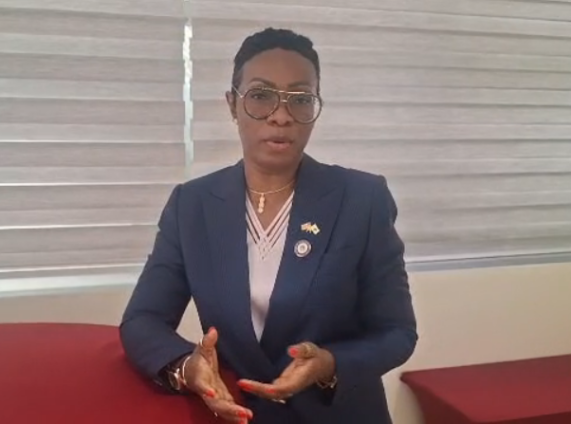
A Liberian parliamentarian has called on West African governments to shift their focus from signing international agreements to fully implementing and domesticating laws that protect women and girls from violence, arguing that justice for survivors will remain elusive without effective enforcement.
Speaking on the sidelines of the West Africa Female Parliamentarians Peer Review Conference on Ending Violence Against Women and Girls in Accra, Ellen Attoh-Wreh, a second-term member of Liberia's House of Representatives, said many countries have adopted international and regional commitments but have struggled to translate them into practical action.
She cited instruments such as the Maputo Protocol and the Convention on the Elimination of All Forms of Discrimination against Women (CEDAW), noting that while many West African states have signed them, implementation remains a major challenge.
"The laws and treaties are there, but implementation is where we continue to fall short," she told Myjoyonline.com.
According to Ms Attoh-Wreh, countries must ensure that international agreements are ratified and incorporated into domestic legislation so they become legally enforceable.
She said legislatures have a critical responsibility to domesticate such treaties, enabling governments and justice institutions to act decisively whenever violations occur.
"I don't see the need for having laws and policies on the books if we cannot fully implement them," she said, calling for stronger enforcement mechanisms and meaningful penalties for perpetrators of gender-based violence.
Survivors still fear stigma
The Liberian legislator said fear of stigma remains one of the greatest barriers preventing survivors from reporting abuse.
She observed that many women, particularly those in public life, hesitate to disclose domestic violence because of concerns about public judgement, victim-blaming and damage to their personal and family reputations.
According to her, although gender-based violence can affect both women and men, women continue to bear a disproportionate burden of social stigma when they choose to report abuse.
She said many survivors worry that they will be blamed for the violence or accused of provoking their abusers, discouraging them from seeking justice.
Harmful cultural beliefs remain a barrier
Ms Attoh-Wreh also highlighted the influence of cultural norms that continue to normalise domestic violence in some communities.
She said women in rural areas are often raised to believe that physical abuse by a husband is acceptable or part of married life, making it less likely that they will report violence.
According to her, some customary beliefs also discourage women from challenging infidelity or abusive behaviour, while family pressure often compels victims to remain silent to avoid bringing perceived shame upon their relatives.
She stressed that respecting culture should never mean accepting violence or violations of fundamental human rights.
Responding to concerns that increasing reports of domestic violence indicate a worsening situation, Ms Attoh-Wreh said the rise in reported cases in Liberia should instead be viewed as evidence that survivors now have greater confidence in available reporting mechanisms.
She pointed to Liberia's Domestic Violence Act, saying the establishment of formal channels for reporting abuse has enabled more survivors to seek help.
"In the past, many violations went unreported because there were no effective mechanisms for victims to come forward. Today, people have avenues through which they can report, and that is progress," she said.
She cautioned against interpreting higher reporting figures as proof that violence is increasing, arguing instead that improved access to justice allows previously hidden cases to come to light.
Awareness and justice key to prevention
Ms Attoh-Wreh said public education remains essential to helping communities understand what constitutes abuse and to distinguish harmful practices from legitimate cultural traditions.
She urged governments, legislators and civil society organisations to intensify awareness campaigns so that more survivors understand their rights and feel safe reporting violence.
She added that consistent prosecution of offenders would not only deliver justice for victims but also serve as a deterrent to future perpetrators.
"The more we educate people and encourage them to speak out, the more cases will be reported. And when justice is served, there will be fewer violations," she said.
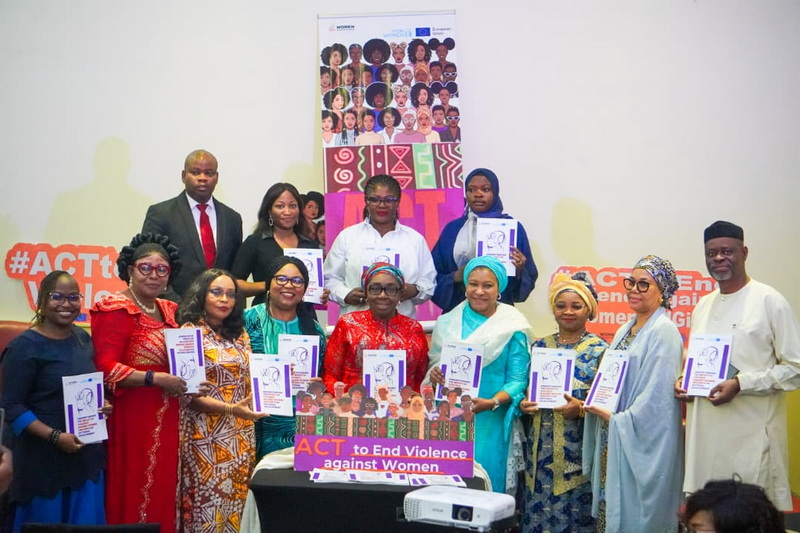
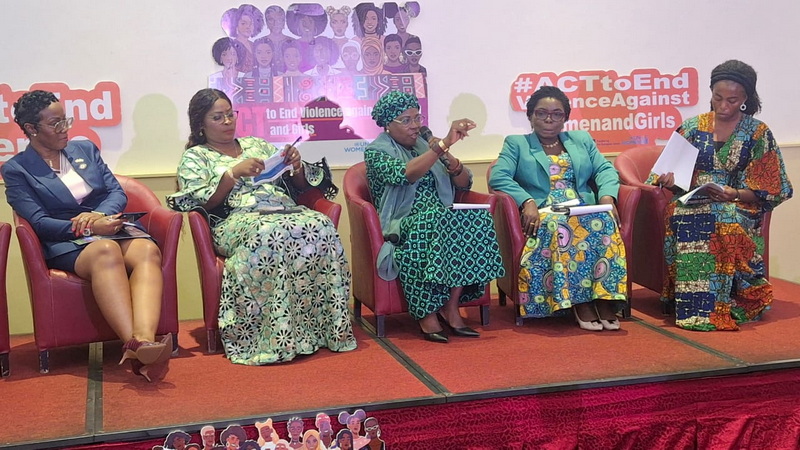
The West Africa Female Parliamentarians Peer Review Conference has brought together women lawmakers, civil society organisations and development partners from across the region to exchange experiences and develop coordinated strategies to strengthen laws, improve implementation and eliminate violence against women and girls.
Latest Stories
-
Kejetia Phase III pricing talks loom as government moves to restart stalled works
23 minutes -
Nchiraa Yam festival: Two killed, 14 injured as police restore calm
30 minutes -
I draw inspiration for my songs from Reggae music – Lyrical Joe
31 minutes -
AI must not replace human judgment in public spending – BoG Governor
34 minutes -
Ghana should withdraw from 2027 AFCON – Kojo Addae Mensah
44 minutes -
Team Ghana departs Accra for Angola ahead of Karting Africa Trophy
50 minutes -
AIT President Prof Clement Dzidonu urges lifelong learning as AI reshapes work and education
53 minutes -
FWSC to meet striking teacher unions on Tuesday
54 minutes -
NPP won’t force candidates to step down – Miracles Aboagye
1 hour -
Black Stars: Building in the sinking sands
1 hour -
Low inflation on paper, high cost of living: How Presidents Mahama and Trump are facing stark economic reality
1 hour -
NPP will negotiate with popular non-politicians to secure winnable candidates – Miracles Aboagye
1 hour -
Only 5% of Ghanaians can afford housing without support – Gov’t
1 hour -
Nigeria launches rescue after military plane crashes with 32 aboard
1 hour -
GES digitalisation already exists; restore discontinued platforms – Adutwum spokesperson
1 hour