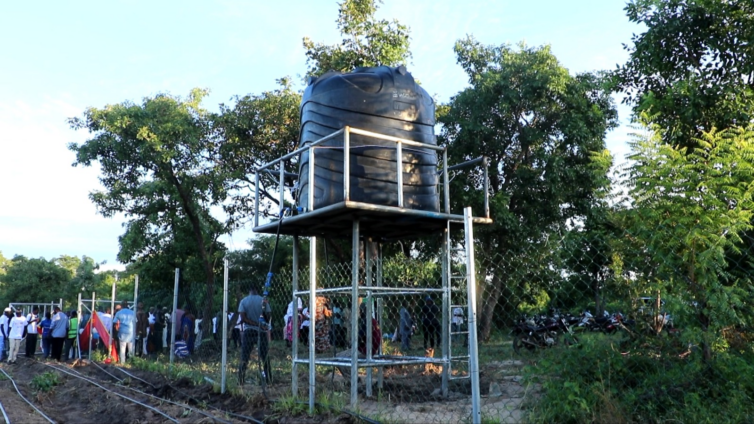
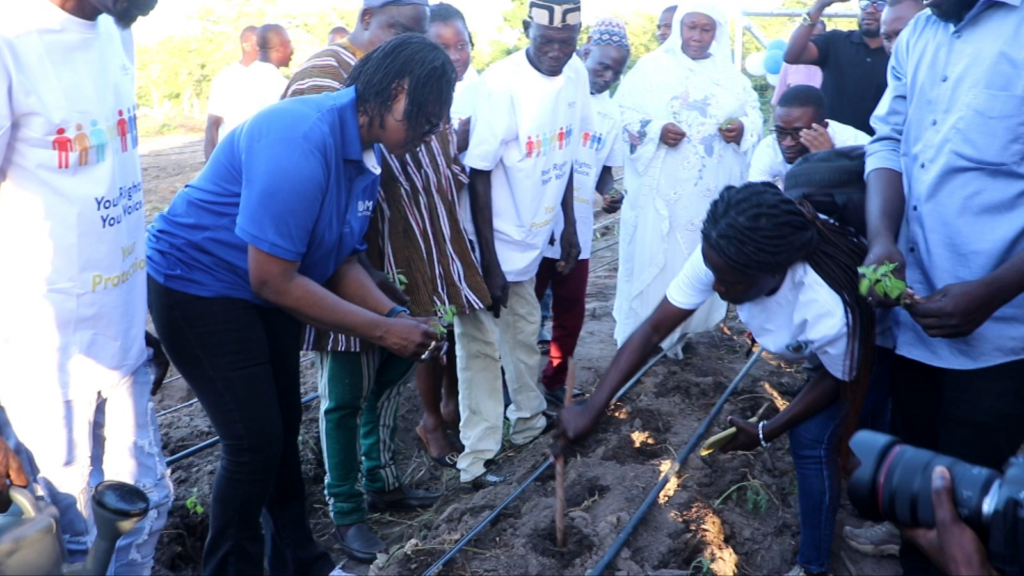
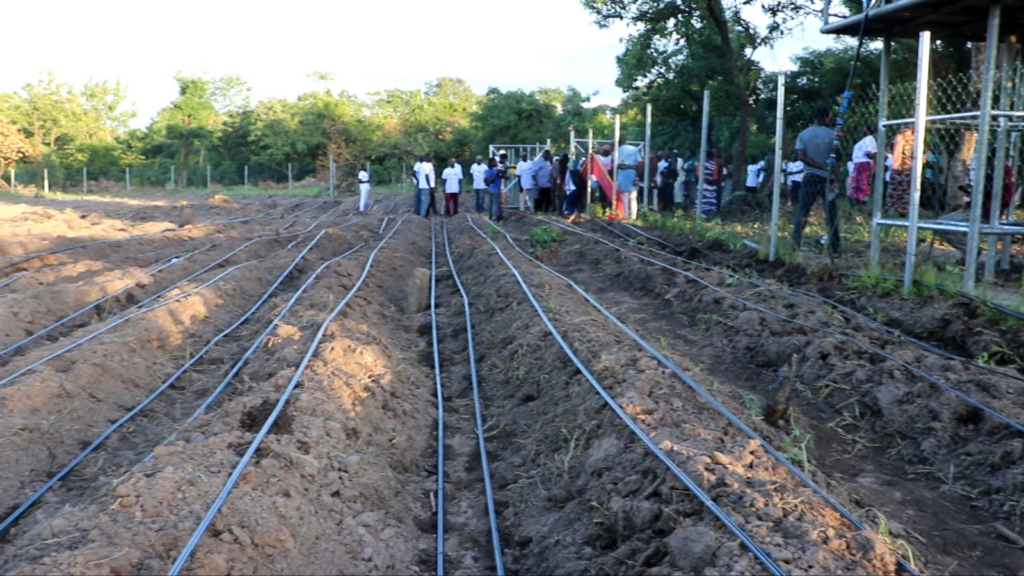
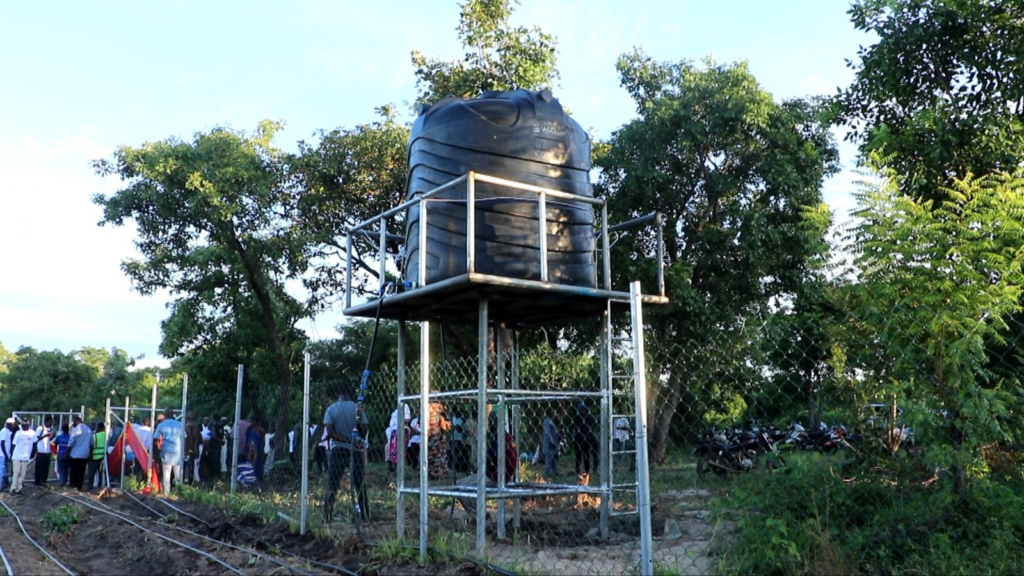
The Konjiehi community in the Wa Municipality has received a fenced community garden and a modern drip irrigation system to promote year-round farming and provide sustainable livelihood opportunities aimed at reducing illegal mining (galamsey) and irregular migration.
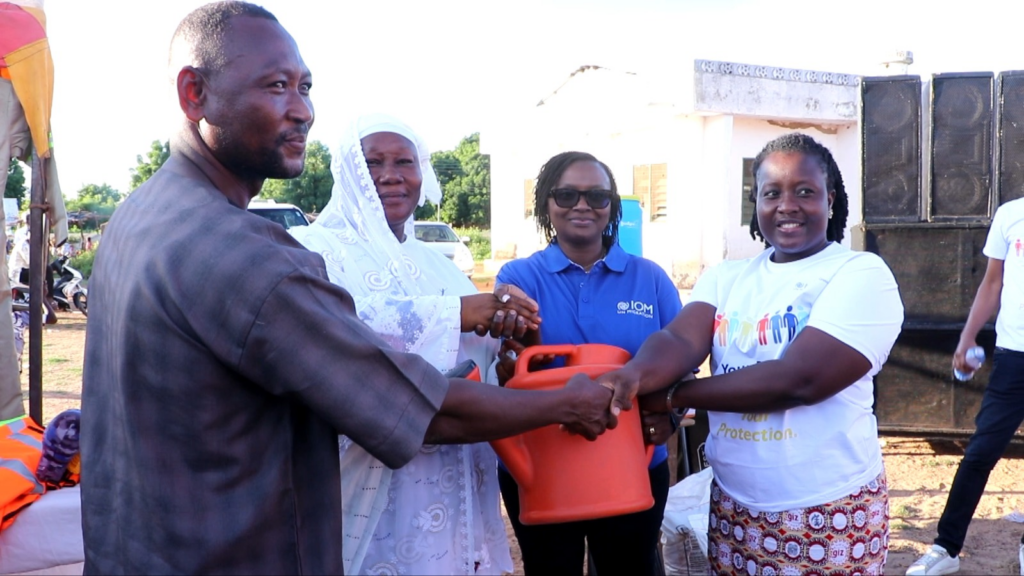
The facility was handed over on Friday under the FOSTERING Project (Fostering Self-Sufficient Economic Stability for Reintegration of Returnees), an initiative funded by the International Organization for Migration (IOM) and the German Development Cooperation (GIZ). The project was implemented by Community Aid for Rural Development (CARD) Ghana in partnership with the Wa Municipal Assembly.
The intervention seeks to strengthen the economic resilience of farming communities by enabling all-year agricultural production, improving food security and reducing the economic pressures that often drive young people into illegal mining activities or risky migration.
For residents of Konjiehi, where agriculture is the primary source of livelihood, the absence of dry-season farming has long left many without income once the rains end.
Speaking on behalf of the beneficiaries, Mahama Rufai said many young people had resorted to illegal mining during the dry season because of the lack of alternative employment.
"When we finish with the rainy season, we don't have any other work to do other than going to galamsey sites. Some of us go and cannot come back," he said.
He expressed optimism that the irrigation system would provide a sustainable source of income and reduce the community's dependence on illegal mining.
"This project will help stop us from going to the galamsey sites so we can stay here, do some work and take care of our families," he added.
Another beneficiary, Mohamed Fuseina, described the project as life-changing, saying it would allow women to remain with their families during the dry season instead of travelling to southern Ghana in search of work.
She explained that she previously had to leave her children behind while seeking seasonal employment but believes the new irrigation facility will enable her family to earn a living within the community.
"I won't leave my children at home with my husband again to travel for work, and my husband also won't have to leave us to work at galamsey sites. We are very grateful for this timely intervention," she said.
To support production, beneficiaries were provided with farm inputs including seeds, fertilisers, Wellington boots, cutlasses, pickaxes, shovels, knapsack sprayers, wheelbarrows and reflective vests.
Speaking at the handover ceremony, IOM Chief of Mission for Ghana, Togo and Benin, Fatou Diallo Ndiaye, said the initiative formed part of broader efforts to tackle the root causes of irregular migration by creating sustainable economic opportunities in communities of origin.
"It was designed to create an economic opportunity that improves food security and supports inclusive, sustainable livelihoods for returnees and members of their communities of origin," she said, urging residents to work collectively to ensure the project's success.
GIZ Technical Advisor, Ruth Mansah Mensah, called on the community to take ownership of the facility to guarantee its sustainability.
She also encouraged young people to make use of the Public Employment Centre in Wa for career guidance and skills development.
"What stands before us is more than a completed project. It is a symbol of what is possible when communities, government and development partners believe in the same future and work together to build it," she said.
Executive Director of CARD Ghana, Al-Hassan Hudi, said beneficiaries had undergone extensive training in farm management and irrigation practices before the project's completion to ensure the facility remains productive and commercially viable.
He expressed confidence that the benefits of the intervention would extend beyond the direct beneficiaries and contribute to the wider economic development of the community.
Receiving the facility on behalf of the Wa Municipal Assembly, Deputy Director Adizah Mumuni described the irrigation system as a significant investment in climate-resilient agriculture.
She noted that the drip irrigation technology would reduce water wastage while enabling farmers to cultivate crops throughout the dry season, in line with the government's efforts to strengthen climate-smart agriculture.
Assembly Member for Konjiehi, Osman Fatawu, who spoke on behalf of the chief, Konjiehi Naa Yakubu Hashim, thanked IOM, GIZ and CARD Ghana for the intervention and assured the partners that the community would protect and maintain the facility.
Despite celebrating the project, community members appealed to government and development partners to support efforts to improve healthcare, electricity supply and educational infrastructure in the area.
DISCLAIMER: The Views, Comments, Opinions, Contributions and Statements made by Readers and Contributors on this platform do not necessarily represent the views or policy of Multimedia Group Limited.
DISCLAIMER: The Views, Comments, Opinions, Contributions and Statements made by Readers and Contributors on this platform do not necessarily represent the views or policy of Multimedia Group Limited.