

Audio By Carbonatix
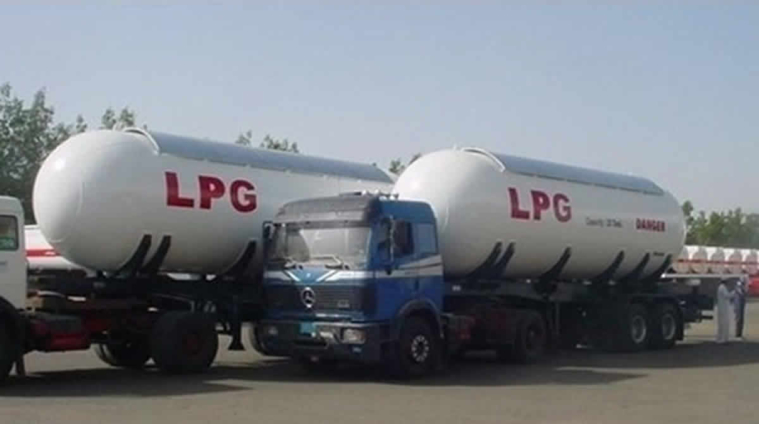
The soaring cost of liquefied petroleum gas (LPG) in Ghana has become a critical issue, marked by a substantial increase in prices in recent years.
Initially priced at 5.81 cedis per kilogram in January 2020, equivalent to 84 cedis for a 14.5-kilogram cylinder, it surged to 182 cedis by December 2023, with some outlets charging as high as 230 cedis by March 2024.
This sharp escalation in LPG prices has sparked concerns among consumers and experts alike. LPG, previously subsidized to promote increased usage and affordability, now bears multiple taxes and levies since the removal of all subsidies in 2015.
The original purpose of subsidizing LPG was to encourage a transition from environmentally harmful wood fuels to cleaner LPG, aiming to address environmental degradation and reduce respiratory issues associated with wood fuel pollution.
A closer look at data from previous years highlights the consequences of these price fluctuations. In 2020, with an average consumption of 27,697,531, the average ex-pump price was 5.22 cedis. Subsequently, both consumption and prices rose in 2021, with the average ex-pump price reaching 7.02 cedis and consumption slightly increasing to 28,789,840.
However, a significant shift occurred in 2022, witnessing a substantial increase in the average ex-pump price to 11.15 cedis, resulting in a decline in consumption to 25,423,017. This trend continued into 2023, with prices climbing further to 12.26 cedis, although consumption remained higher than in 2022 but lower than 2021 levels.
This consistent pattern reveals an inverse relationship between average ex-pump prices and consumption, where higher prices correlate with lower consumption and vice versa. This not only indicates economic challenges for consumers but also underscores the broader environmental impacts of such price hikes.
Amid these challenges, the recent imposition of an $80 per metric ton tax on LPG has raised additional concerns. The tax, aimed at facilitating the smooth implementation of the Cylinder Recirculation Model, has faced various implementation challenges.
The Liquified Petroleum Gas Marketing Companies Association of Ghana strongly opposes this tax, citing its negative effects on the already strained industry. The Association questions the fairness of burdening consumers with taxes that indirectly benefit private investments, calling for fair competition instead of regulatory favoritism.
Key questions about the administration and duration of these taxes remain unanswered, leading to apprehensions about their long-term impact on consumers. Despite expressions of interest from the NPA in reducing the number of taxes on LPG, concrete actions in this regard are yet to materialize.
Latest Stories
-
The Ghanaian prophet and the mysterious death of his scottish wife Charmain Speirs
23 minutes -
Nearly 400 sentenced in Nigeria for links to militant Islamists
44 minutes -
Ghana’s recovery supported by gold strength despite global oil price pressures – Standard Bank Research
51 minutes -
Kwaku Azar writes: A-G vs OSP
1 hour -
Mfantsipim–Adisadel rivalry built excellence, not division – Sam Jonah
2 hours -
Vice President launches Mfantsipim’s 150 years of shaping Ghana’s greatest mind
2 hours -
I assure Otumfuo, Mahama will join him to commission KNUST Teaching Hospital by end of this year – Haruna Iddrisu
3 hours -
Barcelona dominate derby to extend La Liga lead
3 hours -
Gov’t to roll out free special education for persons with disabilities from July 1 – Education Minister
3 hours -
Importers and Exporters Association declares full support for Publican AI port system
3 hours -
“We used it to test our officiating officials’ readiness” – Bawah Fuseini after CAA Athletics event
4 hours -
Volleyball emerges as Ghana’s fastest rising sport
4 hours -
National Sports Fund needs strong leadership from the top – Administrator David Wuaku
4 hours -
JoySports Exclusive: Steve McLaren in talks with GFA after expressing interest in Black Stars job
4 hours -
Fire guts auto parts warehouse at Bubuashie, one fire officer injured
4 hours